
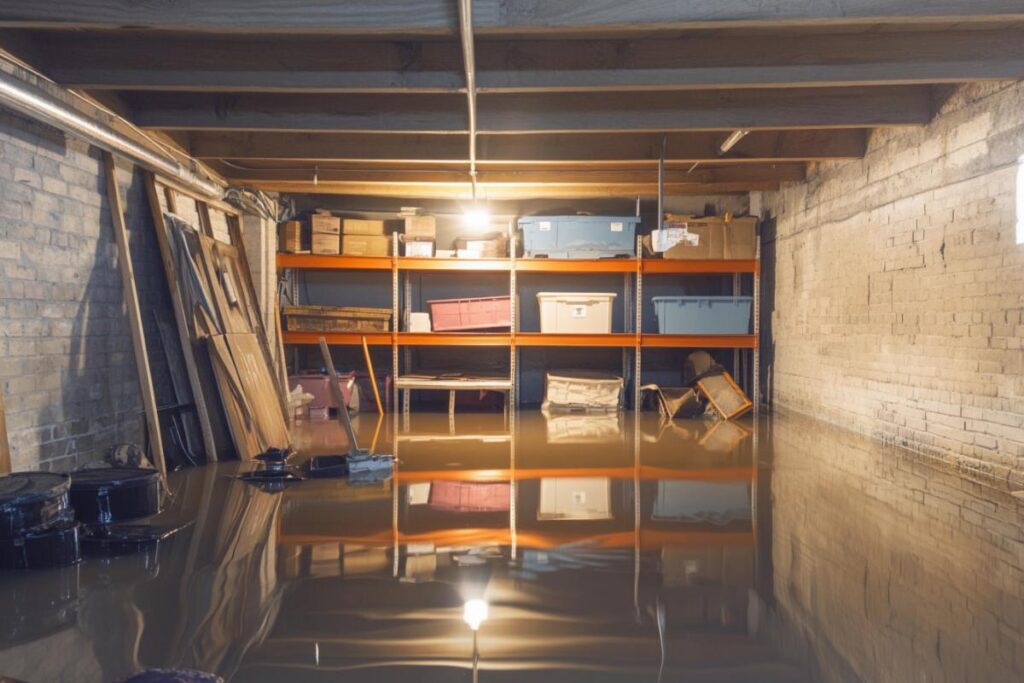
Flooding can be both a sudden disaster and a slow, creeping menace to your home. Understanding the best water mitigation strategies is essential for protecting your property. By taking proactive steps, you can greatly reduce the risk of water damage. From evaluating your home’s vulnerability to implementing effective drainage systems, there are several strategies to take into account. Let’s explore these measures and discover how they can safeguard your home against water-related issues.
Mitigation Strategies – Key Takeaways
- Regularly inspect and seal foundation cracks to prevent water intrusion and protect your home from flooding.
- Install a sump pump in the basement to efficiently manage and divert excess water away from your foundation.
- Maintain gutters and downspouts by cleaning them regularly to ensure proper water flow away from the home.
- Utilize French drains to redirect pooling water effectively and prevent water buildup around the foundation.
- Design landscape features that naturally absorb and redirect runoff, reducing the risk of water damage to your home.
Assess Your Home’s Vulnerability
How can you determine if your home is at risk for water damage? Start by evaluating your property’s proximity to potential flood risks. Look for nearby water sources like rivers, lakes, or even storm drains that could overflow during heavy rain.
Next, examine your landscape. Is your yard sloped away from the foundation? Proper grading can help divert water away from your home. Pay attention to your gutters and downspouts; make certain they’re clear and direct water away from the foundation.
Additionally, check for cracks in your foundation or basement walls, as these can allow water intrusion.
Finally, consider your local climate. Areas prone to heavy rainfall or rapid snowmelt may have a higher risk of flooding. By identifying these factors, you can better understand your home’s vulnerability and take proactive steps to protect it.
Install a Sump Pump
Installing a sump pump can greatly reduce the risk of water damage in your home.
You’ll want to take into account the different types available, understand the installation process, and implement maintenance tips to ensure its longevity.
Each of these factors plays a vital role in maximizing the effectiveness of your sump pump.
Types of Sump Pumps
When choosing a sump pump for your home, understanding the different types available can considerably impact your water mitigation strategy.
The two main categories are submersible pumps and pedestal pumps. Submersible pumps are designed to be placed underwater in your sump pit, making them quieter and more efficient. They’re ideal for areas prone to heavy flooding.
On the other hand, pedestal pumps sit above the sump pit, which makes them easier to maintain but can be noisier during operation. Each type has its own advantages, so consider your specific needs and the space you have.
Installation Process Overview
Before you begin the installation of a sump pump, it’s essential to understand the steps involved to confirm peak performance and longevity.
Proper preparation with the right installation materials and waterproofing techniques can greatly impact your pump’s efficiency. Here’s a quick overview:
- Choose the Location: Identify the lowest point in your basement for ideal drainage.
- Gather Materials: Collect your sump pump, PVC piping, and waterproof sealants.
- Dig the Pit: Create a hole deep enough to fit the sump pump and allow for drainage.
- Install the Pump: Place the pump in the pit, connect the piping, and confirm all seals are watertight.
Maintenance Tips for Longevity
To ensure your sump pump operates efficiently over time, regular maintenance is essential.
Start with routine inspections every few months to confirm the pump is free of debris and functioning correctly. Check the power source and test the float switch to verify it activates and deactivates properly.
Replace any worn-out waterproofing materials that may compromise your system’s integrity. Additionally, consider cleaning the sump pit periodically to prevent clogs and ensure peak performance.
If you notice any unusual sounds or a lack of water removal, address these issues immediately.
Utilize French Drains
Although water accumulation around your home can lead to serious structural issues, utilizing French drains offers an effective solution for managing excess moisture.
By implementing this drainage system, you can enjoy several French drain benefits that protect your property.
Here’s how to get started with installation techniques:
- Assess Your Landscape: Identify areas where water pools and determine the best location for the drain.
- Dig a Trench: Create a trench sloping towards a drainage point, about 6 inches wide and 18 inches deep.
- Add Gravel and Pipe: Lay a layer of gravel at the bottom, then place a perforated pipe on top, ensuring it’s sloped.
- Cover with Soil: Fill the trench with more gravel and soil, maintaining the slope for water flow.
Maintain Gutters and Downspouts
To effectively manage water around your home, you need to maintain your gutters and downspouts.
Establish a regular cleaning schedule to prevent debris buildup, which can lead to overflow and water damage.
Additionally, make sure your downspouts direct water away from your foundation to minimize the risk of flooding.
Regular Cleaning Schedule
Maintaining a regular cleaning schedule for your gutters and downspouts is essential for effective water mitigation in your home.
By prioritizing this task, you can prevent water damage and ensure your home remains safe and dry.
Here’s a simple cleaning checklist to follow during your seasonal cleaning:
- Inspect gutters for debris every three months.
- Clear leaves and twigs to maintain proper water flow.
- Flush downspouts with water to ensure they’re free from clogs.
- Check for leaks or damage to your gutters and downspouts.
Establishing this routine enhances your home’s resilience against water issues and fosters a sense of community responsibility among homeowners.
Your diligence protects your investment and contributes to neighborhood well-being.
Proper Downspout Direction
Once your gutters are clean and functioning properly, the next step is ensuring your downspouts direct water away from your home’s foundation.
Proper downspout direction is essential for effective drainage solutions. Ideally, downspouts should extend at least six feet from your foundation, preventing water from pooling around your home.
Consider the materials used for your downspouts; vinyl, aluminum, and steel offer different benefits regarding durability and maintenance. Additionally, you might want to install splash blocks or pop-up emitters to further direct water away.
Regularly check for blockages or misalignments, as even minor adjustments can greatly impact water flow. By addressing these factors, you’ll protect your home from potential water damage and create a safer environment for your family.
Seal Foundation Cracks
While foundation cracks may seem like a minor issue, they can lead to significant water intrusion problems if left unaddressed.
To effectively seal these cracks and prevent water damage, follow these steps:
- Inspect the Foundation: Regularly check for visible cracks or signs of water damage.
- Choose the Right Material: Use epoxy or polyurethane sealants specifically designed for foundation repair.
- Prepare the Surface: Clean the cracks thoroughly, removing debris and loose material to ensure proper adhesion.
- Apply the Sealant: Carefully fill the cracks, ensuring a smooth finish and allowing the sealant to cure as per the manufacturer’s instructions.
Landscape for Drainage
To effectively manage water runoff, you’ll need to implement proper grading and sloping techniques in your landscape.
This involves shaping the land to direct water away from your home and towards appropriate drainage areas.
Additionally, strategic plant placement can help absorb excess moisture while enhancing the aesthetic appeal of your yard.
Grading and Sloping Techniques
Effective grading and sloping techniques are essential for homeowners looking to manage water drainage around their properties. By implementing proper landscape grading, you can direct water away from your home, reducing the risk of damage.
Here are some key strategies to take into account:
- Determine Proper Slope: Aim for a minimum slope of 2% away from your foundation.
- Use Quality Drainage Materials: Incorporate gravel or sand to improve water absorption.
- Create Swales: Design shallow, broad channels to redirect runoff effectively.
- Consider Retaining Walls: These can help manage elevation changes while directing water flow.
Strategic Plant Placement
Strategic plant placement is a powerful tool for managing water drainage in your landscape. By carefully selecting native plants, you can enhance your yard’s natural ability to absorb and redirect water.
Native plant selection is essential, as these species are adapted to your local climate and soil, promoting healthier growth and reducing maintenance. Drought-resistant varieties further improve your landscape’s resilience, minimizing water needs while still providing effective drainage.
Positioning plants in areas prone to pooling water allows their roots to absorb excess moisture, preventing erosion and encouraging healthier soil.
Integrating these strategies fosters a thriving ecosystem and creates a beautiful outdoor space that reflects your commitment to sustainable living in your community.
Waterproof Your Basement
When water seeps into your basement, it can lead to significant damage and costly repairs, making waterproofing essential for any homeowner.
To effectively waterproof your basement, consider these key strategies:
- Install waterproof membranes: Use high-quality membranes on walls and floors to create a barrier against moisture.
- Set up drainage systems: Ensure proper drainage around your home to divert water away from the foundation, reducing the risk of seepage.
- Seal cracks and gaps: Regularly inspect and seal any cracks in walls and floors to prevent water infiltration.
- Maintain gutters and downspouts: Keep gutters clean and downspouts directed away from your foundation to minimize water pooling.
Monitor Indoor Humidity Levels
How do you ensure a comfortable and healthy living environment? Monitoring indoor humidity levels is essential for effective humidity control.
High humidity can lead to mold growth, while low humidity can cause discomfort and respiratory issues. Invest in moisture sensors that provide real-time data on humidity levels in your home. Ideally, you want to maintain indoor humidity between 30% and 60%.
Regularly check these levels, especially in areas prone to moisture, like basements and bathrooms. If you notice elevated humidity, consider using a dehumidifier to combat excess moisture.
Conversely, if humidity levels drop too low, a humidifier can help restore balance.
Create an Emergency Plan
What steps should you take to prepare for potential water-related emergencies in your home? Creating an effective emergency plan is crucial for your safety and peace of mind. Here’s a concise list to guide you:
- Identify Emergency Contacts: Compile a list of important contacts, including local emergency services, water mitigation companies, and family members.
- Establish Evacuation Routes: Map out clear evacuation routes from your home to safety, making certain every family member knows them.
- Prepare an Emergency Kit: Assemble supplies like water, non-perishable food, flashlights, and first aid items, keeping them easily accessible.
- Conduct Regular Drills: Practice your emergency plan with your family to make sure everyone understands their role and feels confident in executing the plan.
Consult With Water Mitigation Professionals
Consulting with water mitigation professionals is vital, especially if you face significant water damage or flooding risks. These experts possess the knowledge and tools necessary to address issues swiftly and effectively, minimizing potential long-term impacts on your home.
By evaluating the extent of the damage, they can create a tailored restoration plan that fits your unique situation.
Professional restoration services often include water extraction, drying, and mold remediation, ensuring your property is safe and habitable. They also help you navigate insurance claims, making the process less stressful.
It’s important to choose a reputable company with experience in water damage scenarios, as this can make a significant difference in recovery time and costs.
Frequently Asked Questions
How Often Should I Check My Sump Pump’s Functionality?
You should check your sump pump’s functionality at least once a month. Regular inspections are essential for sump pump maintenance, ensuring it operates effectively during heavy rains and preventing potential water damage to your home.
What Insurance Covers Water Damage Mitigation Costs?
Most homeowners’ insurance policies cover water damage, but specifics vary. You should review your policy to ensure it includes coverage for mitigation costs, as some plans may exclude certain types of water-related incidents.
Can I Install a French Drain Myself?
Yes, you can install a French drain yourself. With proper planning and understanding of DIY drainage systems, you’ll effectively manage water flow. Just make certain you follow local regulations and guidelines for the best results.
How Can I Detect Hidden Water Damage in My Home?
You’d think hidden leaks are easy to spot, right? Instead, use moisture detection tools to uncover concealed damage. Look for discoloration, musty odors, or warped surfaces—these often signal trouble lurking beneath your home’s surface.
What Are the Signs of a Water Leak in My Home?
To spot a water leak in your home, watch for moisture indicators like damp spots, peeling paint, or mold growth. Implement leak detection methods to identify hidden issues before they escalate into costly repairs.
Recap
By implementing these water mitigation strategies, you can protect your home like a fortress against potential flooding threats. Regular assessments and proactive measures, such as installing a sump pump and maintaining gutters, create a robust defense. Don’t underestimate the importance of an emergency plan; it’s your safety net in unexpected situations. By staying vigilant and informed, you can greatly reduce your home’s vulnerability, ensuring peace of mind in the face of nature’s unpredictable challenges.