
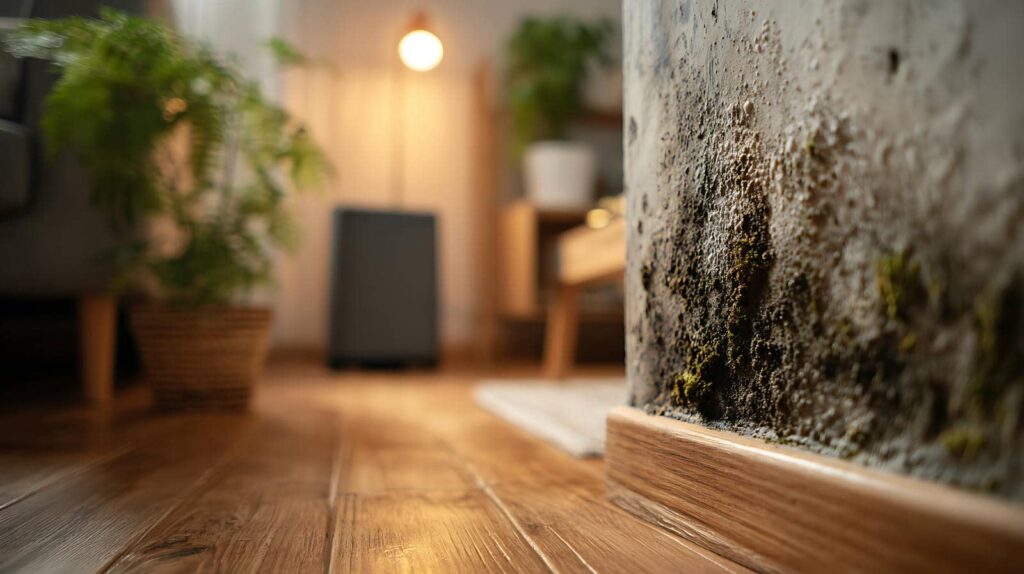
After flooding, homes may develop mold within just 24 to 48 hours if not properly addressed. This statistic highlights the urgency of taking immediate action to prevent mold growth. By understanding the specific steps you can take, you can greatly reduce the risk of long-term damage and health issues. Let’s explore effective strategies to tackle this problem and safeguard your living environment.
Key Takeaways
- Act quickly to remove standing water using pumps or wet vacuums to minimize moisture exposure.
- Ensure proper ventilation by opening windows and using fans to enhance air circulation.
- Use dehumidifiers to maintain indoor humidity levels between 30% to 60%.
- Remove affected materials and clean all surfaces with disinfectants to prevent mold growth.
- Consider using mold-resistant products during repairs and renovations to foster a safer environment.
Act Quickly to Remove Water
As soon as the floodwaters recede, it’s essential to act swiftly to remove any standing water from your home. Effective water extraction methods, such as using pumps or wet vacuums, can greatly reduce the risk of mold growth.
It’s vital to develop an emergency response planning strategy that includes these methods, ensuring you’re prepared for unexpected flooding.
Begin your process by evaluating the area for trapped water, then prioritize extraction in the most affected spaces. Don’t forget to check hidden areas, like crawl spaces and behind appliances.
Time is of the essence; the longer water remains, the greater the risk of mold proliferation. Utilize dehumidifiers and fans to aid in the drying process after extraction.
This proactive approach safeguards your home while fostering a sense of community as you share your knowledge and experiences with others facing similar challenges.
Ensure Proper Ventilation
To prevent mold growth after flooding, ensuring proper ventilation is essential. You need to promote natural air circulation within your home.
Start by identifying how your windows are placed; strategically opening them can create cross-ventilation that helps moisture escape. The flow of fresh air dilutes humidity levels, markedly reducing the chances of mold establishing itself.
Consider using fans to enhance air movement, particularly in areas that are harder to ventilate. Position them near windows to draw in outdoor air and push out damp, stale air.
It’s also beneficial to keep interior doors open, allowing air to flow freely throughout your space.
Monitor humidity levels with a hygrometer, aiming to keep them below 60%.
Remove Affected Materials
Removing affected materials is essential in preventing mold growth after flooding. When water saturates building materials like drywall, insulation, or carpet, they become prime candidates for mold development.
You should assess the damage carefully; any porous materials that are soaked need to be removed promptly. Mold prevention begins with thorough material disposal—discard items that can’t be effectively dried or cleaned.
Ensure you wear protective gear while handling these materials to minimize health risks. It’s also important to document what you remove for insurance purposes. Place the discarded items in sealed bags to prevent mold spores from spreading during disposal.
Acting swiftly can greatly reduce the chances of a mold outbreak. Remember, the quicker you remove affected materials, the less likely your home will become a breeding ground for mold.
Prioritize these steps to keep your living environment safe and healthy for everyone.
Clean and Disinfect Surfaces
After you’ve removed affected materials, the next critical step is to clean and disinfect all surfaces that came into contact with floodwater. This is essential in your mold prevention strategies.
Use a combination of soap and water followed by a disinfectant solution, such as a bleach mixture (1 cup of bleach per gallon of water). Be sure to wear protective gear, including gloves and masks, to safeguard yourself against harmful pathogens.
Focus on high-touch areas and porous materials, as these are more susceptible to mold growth. Scrub surfaces thoroughly, ensuring you reach crevices where moisture may linger.
For non-porous surfaces, consider using commercial cleaning solutions specifically designed for mold prevention. Rinse all surfaces with clean water afterward to remove any residue.
Use Dehumidifiers
Once surfaces are cleaned and disinfected, controlling humidity levels becomes a priority to prevent mold growth.
Using a dehumidifier is vital in this process, as it helps extract excess moisture from the air. There are several dehumidifier types to take into account, including refrigerant, desiccant, and whole-house models. Each type has its unique advantages depending on your specific needs and the size of the affected area.
When placing your dehumidifier, make sure it’s in a central location within the flooded area for peak airflow. If multiple rooms are affected, think about using portable units in each space.
Aim for a consistent humidity level below 60% to inhibit mold development. Regularly check the water collection tank and empty it as needed, or opt for continuous drainage options if available.
Maintain Indoor Humidity Levels
To effectively prevent mold growth after flooding, you must maintain indoor humidity levels within the ideal range of 30-60%.
Using dehumidifiers effectively can help you achieve this balance, but it’s essential to monitor humidity regularly to adjust your strategy as needed.
Ideal Humidity Range
Maintaining indoor humidity levels is essential for preventing mold growth, especially in the aftermath of flooding.
Ideally, you should aim for a humidity range of 30% to 60%. This range promotes comfort while effectively controlling moisture. When humidity exceeds 60%, mold spores thrive, increasing the risk of infestations.
Regularly monitor your indoor humidity using a hygrometer, ensuring your space remains within that ideal range. Effective moisture management includes inspecting areas prone to dampness, like basements and bathrooms, and addressing any leaks promptly.
By prioritizing humidity control, you create a healthier living environment, fostering a sense of community and well-being.
Use Dehumidifiers Effectively
Achieving that ideal humidity range of 30% to 60% often requires the strategic use of dehumidifiers, especially in areas affected by flooding.
For maximum effectiveness, consider dehumidifier placement; position units in the most damp areas, such as basements or near water-damaged walls. Verify airflow isn’t obstructed to enhance moisture removal.
Pay attention to energy efficiency; select models with high Energy Star ratings to reduce electricity costs while maintaining peak performance. Regularly empty the water reservoir or use a continuous drainage option if available.
By effectively utilizing dehumidifiers, you can markedly decrease humidity levels, minimizing mold growth potential and creating a healthier indoor environment for you and your family.
Prioritize these strategies to safeguard your home and well-being.
Regular Humidity Monitoring
While you focus on reducing humidity levels after flooding, regular humidity monitoring becomes vital for preventing mold growth.
Effective humidity control protects your home and fosters a healthy environment. Utilizing moisture sensors can help you keep track of indoor humidity levels, alerting you when they rise above the 30-60% range recommended to inhibit mold.
Regularly checking these readings allows you to respond quickly, adjusting dehumidifiers or ventilation as needed. It’s important to establish a routine for monitoring, ensuring you stay proactive rather than reactive.
Inspect and Repair Leaks
To effectively prevent mold growth after flooding, you need to inspect and repair any leaks in your home.
Start by identifying common sources of leaks, such as pipes, roofs, and windows, and then select appropriate sealants for each situation.
Regular maintenance checks will ensure these areas remain leak-free, greatly reducing the risk of moisture accumulation and mold development.
Identify Common Leak Sources
Identifying common leak sources is essential for preventing mold after flooding; even a small leak can lead to significant moisture problems.
To effectively prevent mold growth, you should conduct thorough inspections of your home.
Focus on these key areas:
Pipe inspections: Regularly check for corrosion or wear in your plumbing.
Roof leaks: Inspect shingles and flashing for damage or wear.
Windows and doors: Look for gaps or deteriorating seals that may allow moisture in.
Basement and foundation: Examine for cracks or signs of water intrusion.
Use Appropriate Sealants
Using appropriate sealants is essential for effectively preventing mold after flooding.
You’ll want to choose the right sealant types based on the materials you’re working with—silicone, polyurethane, or latex-based sealants each serve specific purposes. For instance, silicone works well in wet environments, while polyurethane offers durability in high-stress areas.
When applying, make certain surfaces are clean and dry; this enhances adhesion and effectiveness. Use a caulking gun for precise application, filling gaps thoroughly to prevent moisture infiltration.
Pay attention to corners and joints, as these are often overlooked yet critical areas. By employing proper sealant types and application techniques, you create a protective barrier that minimizes moisture, drastically reducing the risk of mold growth in your space.
Regular Maintenance Checks
While you may have taken steps to seal your home after flooding, regular maintenance checks are essential for identifying and repairing leaks that could lead to mold growth.
Implementing preventive measures through routine inspections protects your investment and fosters a safe environment for you and your loved ones.
Here are key areas to focus on:
- Inspect plumbing for any signs of leaks or corrosion.
- Check your roof for missing shingles or damage that could allow water ingress.
- Examine windows and doors for gaps or wear in seals.
- Assess the foundation for cracks that might let moisture in.
Consider Mold-Resistant Products
When tackling the aftermath of flooding, considering mold-resistant products can greatly reduce the risk of mold growth in your home.
Using mold-resistant paints on walls and ceilings provides an additional defense, as these specialized coatings inhibit mold spores from settling in. When renovating or building, opt for mold-resistant materials, such as drywall or insulation, specifically designed to withstand moisture.
Research shows that these products help prevent mold and improve indoor air quality, creating a healthier environment for you and your loved ones.
Moreover, investing in mold-resistant flooring can further safeguard your home, especially in areas prone to moisture.
By incorporating these products, you’re not just protecting your space; you’re fostering a sense of belonging in a safe, clean home.
Monitor for Signs of Mold
To effectively monitor for signs of mold after flooding, you should start by observing visual indicators such as discoloration on walls and surfaces.
Pay attention to any unpleasant odors, as these can signal hidden mold growth.
Additionally, regularly check moisture levels in your environment to prevent conditions conducive to mold development.
Visual Indicators of Mold
Mold can be a silent invader, often hiding in plain sight until it becomes a significant problem. To effectively identify potential mold growth, keep an eye out for these visual indicators:
Discoloration: Look for black, green, or white patches on walls and ceilings.
Texture Changes: Notice any fuzzy, slimy, or rough surfaces.
Water Stains: Identify yellow or brown stains, which can indicate moisture issues.
Warped Materials: Check for buckling or swelling in wood and drywall.
Utilizing mold color identification can help you pinpoint the type of mold you’re dealing with.
Additionally, employing moisture testing techniques will further assist in monitoring areas prone to dampness, ensuring a proactive approach to mold prevention.
Unpleasant Odors Detection
How can you tell if mold is lurking in your home? One key indicator is unpleasant odors. If you notice a musty smell, it’s essential to investigate potential odor sources, as this often signals mold growth.
Begin your mold detection process by checking damp areas, as mold thrives in moisture-rich environments. Pay attention to hidden spaces, like behind walls or under carpets, where odors might intensify.
Utilize your sense of smell as a guide; if a particular area smells stronger, it’s worth inspecting further. Remember, identifying these odors early can prevent more extensive damage and health issues.
Trust your instincts—if something smells off, act quickly to protect your home and well-being.
Moisture Level Monitoring
While detecting signs of mold in your home, monitoring moisture levels is essential, as excess humidity creates an ideal environment for growth.
To effectively manage moisture control, consider using humidity sensors that provide real-time data. By keeping an eye on your home’s humidity, you can prevent mold before it starts.
Here are key indicators to monitor:
- Humidity levels above 60%
- Condensation on windows or walls
- Water stains or discoloration on surfaces
- Damp or musty odors in enclosed spaces
Regularly checking these signs will help you maintain a healthier living environment.
Taking proactive measures protects your home and fosters a sense of belonging and safety for you and your loved ones.
Consult Professionals if Necessary
If you find yourself overwhelmed by the extent of water damage and potential mold growth after a flood, consulting professionals can be an essential step in safeguarding your property.
A professional evaluation offers a thorough examination of your space, identifying hidden moisture and determining the risk of mold proliferation. They possess the expertise and equipment necessary for effective mold remediation, ensuring that your home returns to a safe environment.
Trying to tackle mold issues on your own can lead to inadequate solutions, potentially exacerbating the problem.
Professionals have the technical know-how and understand the specific conditions that encourage mold growth. By collaborating with experts, you can confidently navigate this challenging situation, knowing your home is in capable hands.
Frequently Asked Questions
How Long Does It Take for Mold to Grow After Flooding?
Mold can start growing within 24 to 48 hours after flooding. Understanding this mold growth timeline helps you act quickly. Effective flood damage prevention measures, like drying out affected areas, can greatly reduce mold risk.
Can I Treat Mold Myself, or Should I Hire a Professional?
You can treat mold yourself with DIY solutions, but hiring a professional ensures thorough treatment and safety. Consider your comfort level and the extent of infestation before deciding which approach suits you best.
What Are the Health Risks Associated With Mold Exposure?
Mold exposure’s like a silent thief, stealing your well-being. You might experience various health symptoms, including respiratory issues and mold allergies, which can lead to chronic discomfort and impact your daily life considerably. Stay vigilant!
Is It Safe to Stay in My Home During Mold Cleanup?
During mold cleanup, it’s often safer to evacuate your home, especially if mold levels are high. Assess air quality and seek professional help to ensure your safety and minimize health risks from mold exposure.
How Can I Prevent Mold in Areas Prone to Flooding?
To prevent mold in flood-prone areas, use flood-resistant materials, maintain moisture control, and regularly inspect vulnerable spaces. By prioritizing these strategies, you’ll create a safer environment for yourself and your loved ones.
Recap
In the aftermath of flooding, think of your home as a delicate ecosystem. Just as a river needs clear banks to thrive, your living space requires swift action to prevent mold. By promptly removing water, ensuring ventilation, and using dehumidifiers, you’re protecting your property while safeguarding your health. Remember, neglect can lead to a relentless invasion of mold, much like weeds choking a garden. Stay vigilant, and your home can flourish once again.