
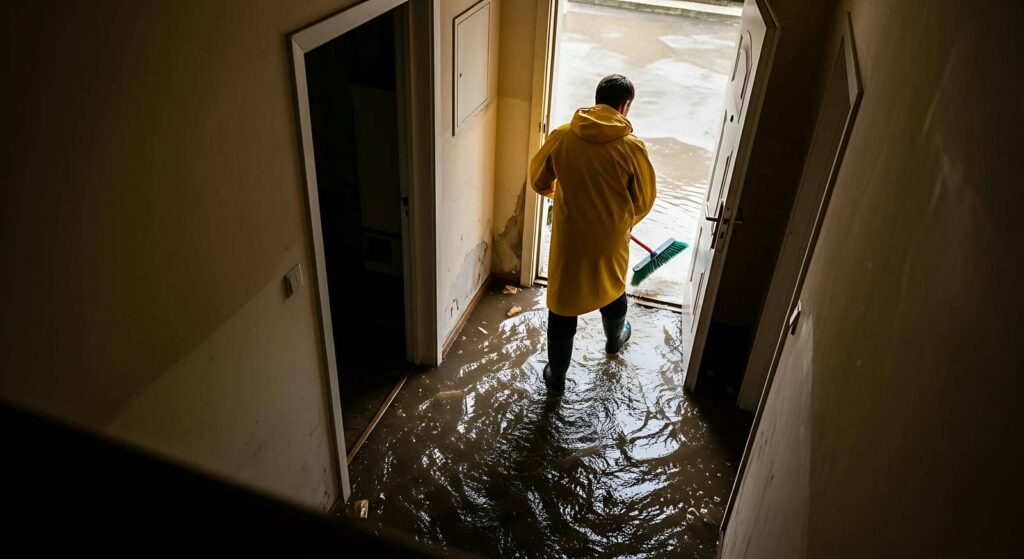
When it comes to protecting your home from water damage, understanding your insurance options is vital. You’ll want to ensure your policy covers sudden leaks and other water-related incidents. Additionally, if you live in a flood-prone area, flood insurance can be a lifesaver. Finally, consider additional living expenses (ALE) coverage, as it helps with costs if your home becomes uninhabitable. But what specific coverage should you prioritize to best safeguard your investment?
Key Takeaways
- Comprehensive Homeowners Insurance: Opt for a policy that covers sudden leaks and gradual deterioration to ensure extensive water damage protection.
- Flood Insurance: For homes in flood-prone areas, additional flood insurance is essential as standard homeowners’ policies typically exclude flood damage.
- Additional Living Expenses (ALE) Coverage: Choose a policy with ALE coverage to cover costs for temporary housing if your home becomes uninhabitable due to water damage.
- Regular Maintenance Benefits: Engage in regular home maintenance to prevent water damage, which can also help lower insurance premiums.
- Review Policy Exclusions: Thoroughly examine your insurance policy for exclusions and limits related to water damage to avoid unexpected financial burdens.
Homeowners Insurance Policies
When you consider homeowners’ insurance policies, it’s vital to understand how they address water damage, as this can greatly influence your financial protection. Different policies cover varying types of water damage, such as sudden leaks or gradual deterioration. By comparing insurance policies, you can identify which ones provide extensive coverage for potential water-related issues.
Additionally, knowing home maintenance tips can help you prevent water damage before it occurs, potentially saving you money on premiums. Regularly inspecting roofs, gutters, and plumbing systems can mitigate risks.
When evaluating your options, pay attention to policy exclusions and limits, as these can markedly affect your coverage. It’s important to read the fine print and ask your agent about specific scenarios.
Ultimately, a well-informed decision will ensure that you choose a policy that meets your needs and protects your home against unforeseen water damage.
Flood Insurance Coverage
Homeowners insurance typically doesn’t cover flood damage, which is why understanding flood insurance coverage is essential for protecting your property. Flood insurance is important, especially if you live in designated flood zones. These areas face higher risks, making it crucial to assess your coverage needs accurately.
When considering flood insurance, be sure to examine the policy limits. Most standard policies offer coverage for the structure of your home and its contents, but these limits can vary considerably. It’s essential to select a policy that accurately reflects the value of your property and personal belongings to ensure you’re adequately protected.
Additionally, keep in mind that flood insurance usually has a waiting period before it takes effect, so don’t wait until the last minute to secure your coverage. By being proactive and informed, you can safeguard your home against the financial impacts of flooding.
Additional Living Expenses (ALE) Coverage
Many homeowners overlook the importance of Additional Living Expenses (ALE) coverage, which can be essential in the event your home becomes uninhabitable due to water damage or other disasters. ALE coverage helps cover your temporary housing costs, ensuring you and your family maintain some semblance of normalcy during difficult times.
Here’s a quick overview of ALE benefits and limits:
| ALE Benefits | Potential Costs | ALE Limits |
|---|---|---|
| Temporary Housing | Hotel stays | Varies by policy |
| Meals and Groceries | Dining out | Typically capped |
| Transportation | Fuel and travel | Subject to limits |
| Storage Fees | Extra storage units | Policy dependent |
| Utilities | Basic services | May have caps |
Understanding ALE coverage can greatly impact your recovery process. Make sure you know your policy’s ALE limits to avoid unexpected financial burdens.
Frequently Asked Questions
What Is the Difference Between Gradual and Sudden Water Damage?
Gradual water damage occurs over time, often unnoticed, while sudden water damage happens instantly, like a burst pipe. Understanding these water damage types can greatly impact your claim process and potential coverage outcomes.
How Can I Prevent Water Damage in My Home?
You might think preventing water damage is complicated, but it isn’t. Implement waterproofing techniques and maintain effective drainage systems to protect your home. Regular inspections and repairs can greatly minimize risks, ensuring a safer, drier living space.
Are There Specific Exclusions for Water Damage in Policies?
Yes, many policies exclude specific types of water damage, particularly flood damage. It’s essential to review your policy limits and consider purchasing additional flood insurance if you live in a flood-prone area to ensure proper coverage.
How Do I File a Water Damage Claim?
Imagine traversing a maze; filing a water damage claim requires a clear path. Start by gathering documentation, including photos and receipts, then follow your insurer’s claim process to ensure a smooth experience.
Will My Insurance Premium Increase After a Water Damage Claim?
Yes, your insurance premiums might increase after a water damage claim. Insurers often adjust rates based on claims history, reflecting the claim’s impact on your risk profile. It’s essential to review your policy for specifics.
Wrap-Up
In steering through the waters of insurance coverage, prioritizing extensive homeowners policies, flood insurance, and ALE coverage is essential for safeguarding your home and finances. By embracing these protective measures, you’re not just preparing for potential storms; you’re ensuring peace of mind during turbulent times. Think of it as building a sturdy lifeboat in case of unforeseen floods, allowing you to weather any storm with confidence, knowing you’re supported by the right coverage when it matters most.