
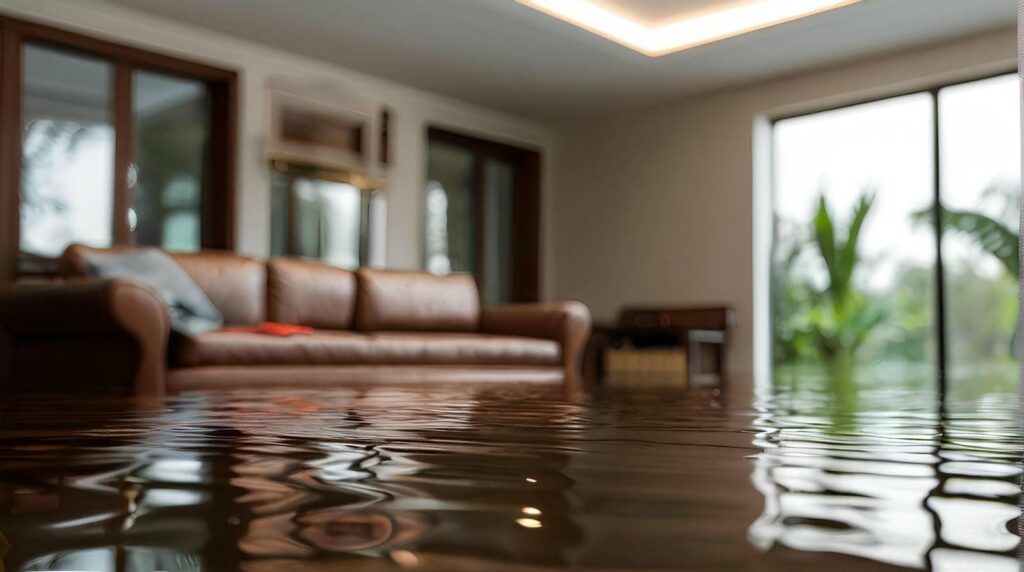
When faced with commercial flood damage, your first step is critical: assess the damage promptly. This evaluation helps determine structural integrity and identify materials that can be salvaged. However, handling this alone can be overwhelming. That’s why engaging professional restoration services is essential. They bring expertise and efficiency to the recovery process. But that’s just the beginning; you’ll also need to think about how to prevent future incidents from occurring.
Key Takeaways
- Conduct an immediate assessment to evaluate damage and identify urgent areas needing attention to minimize impact on operations.
- Engage professional restoration services for thorough evaluations and efficient recovery using advanced equipment and expertise.
- Document the extent of water intrusion and affected materials to guide restoration efforts and salvageable items.
- Implement preventative measures, such as flood barriers and improved drainage systems, to mitigate future risks.
- Foster team involvement in the restoration process to enhance accountability and streamline recovery efforts.
Assessing the Damage Promptly
When flooding occurs, it’s vital to assess the damage promptly to prevent further complications. Start your damage evaluation immediately, focusing on important areas like structural integrity, electrical systems, and necessary equipment. Document the extent of the water intrusion, noting the types of materials affected, whether they’re salvageable, and the potential for mold growth. This initial assessment will greatly influence your restoration timeline.
After gathering data, prioritize areas needing urgent attention and develop a plan for restoration. Engaging your team in this process fosters a sense of belonging and shared responsibility.
Use checklists to ensure nothing is overlooked, and keep communication open with stakeholders about the findings and next steps. By taking these actions, you’ll streamline recovery efforts and create an environment where everyone feels involved and invested in the restoration process.
Engaging Professional Restoration Services
Engaging professional restoration services can greatly expedite the recovery process after flooding, as their expertise is essential in addressing complex damage.
By leveraging their restoration expertise, you ensure that your property is restored efficiently and effectively. Here’s why you should consider these services:
Comprehensive Assessment: Professionals conduct thorough evaluations to identify hidden damage, ensuring nothing is overlooked.
Expert Project Management: They manage all aspects of the recovery process, from water extraction to repairs, minimizing disruption to your business operations.
Access to Advanced Equipment: Restoration teams utilize specialized tools and technologies that allow for faster drying and remediation compared to standard methods.
Implementing Preventive Measures for the Future
To safeguard your property from future flooding, implementing preventative measures is essential. Start by installing flood barriers around your building. These barriers can effectively redirect water away from vulnerable areas, reducing the risk of significant damage.
Additionally, assess and upgrade your drainage systems. Properly functioning drainage is vital in managing water flow and preventing backups that could lead to flooding. Regular maintenance of these systems can also prevent blockages caused by debris or sediment buildup.
Consider incorporating a sump pump to further protect your property, especially in areas prone to heavy rainfall. It’s also wise to elevate critical utilities, such as electrical systems and HVAC units, above potential flood levels.
Frequently Asked Questions
What Insurance Coverage Is Needed for Flood Damage Repairs?
You need flood insurance to cover potential damage. Explore coverage options, such as building and personal property, to ensure you’re protected. It’s crucial to assess your needs and select adequate policies for your business’s security.
How Can I Determine if My Property Is at Risk for Flooding?
To determine your property’s flood risk, conduct a flood risk assessment, considering factors like local flood maps and property elevation. Evaluating these elements helps you understand potential vulnerabilities and prepare effectively for flooding situations.
What Materials Are Best for Flood-Resistant Construction?
For flood-resistant construction, you’ll want to choose materials like concrete, steel, and water-resistant barriers. Employing elevated building techniques and incorporating flood-resistant materials ensures your structure stands strong against water’s little surprises.
How Long Does the Flood Damage Repair Process Typically Take?
The flood damage repair process typically takes several weeks to months. You’ll need a thorough damage assessment, which influences the repair timeline. Factors like severity and required materials will affect how long repairs take.
What Are Common Signs of Hidden Water Damage After Flooding?
You might notice mold growth or a musty odor, both contrasting with your space’s usual freshness. Additionally, check for warped walls or floors; these signs can threaten your property’s structural integrity and safety.
Wrap-Up
By promptly evaluating damage, engaging professional restoration services, and implementing preventative measures, you can safeguard your business from future flooding issues. Remember, an ounce of prevention is worth a pound of cure. Taking these steps aids in efficient recovery and fortifies your assets against potential risks. Don’t leave your business’s future to chance; act decisively to ensure resilience in the face of water damage.