
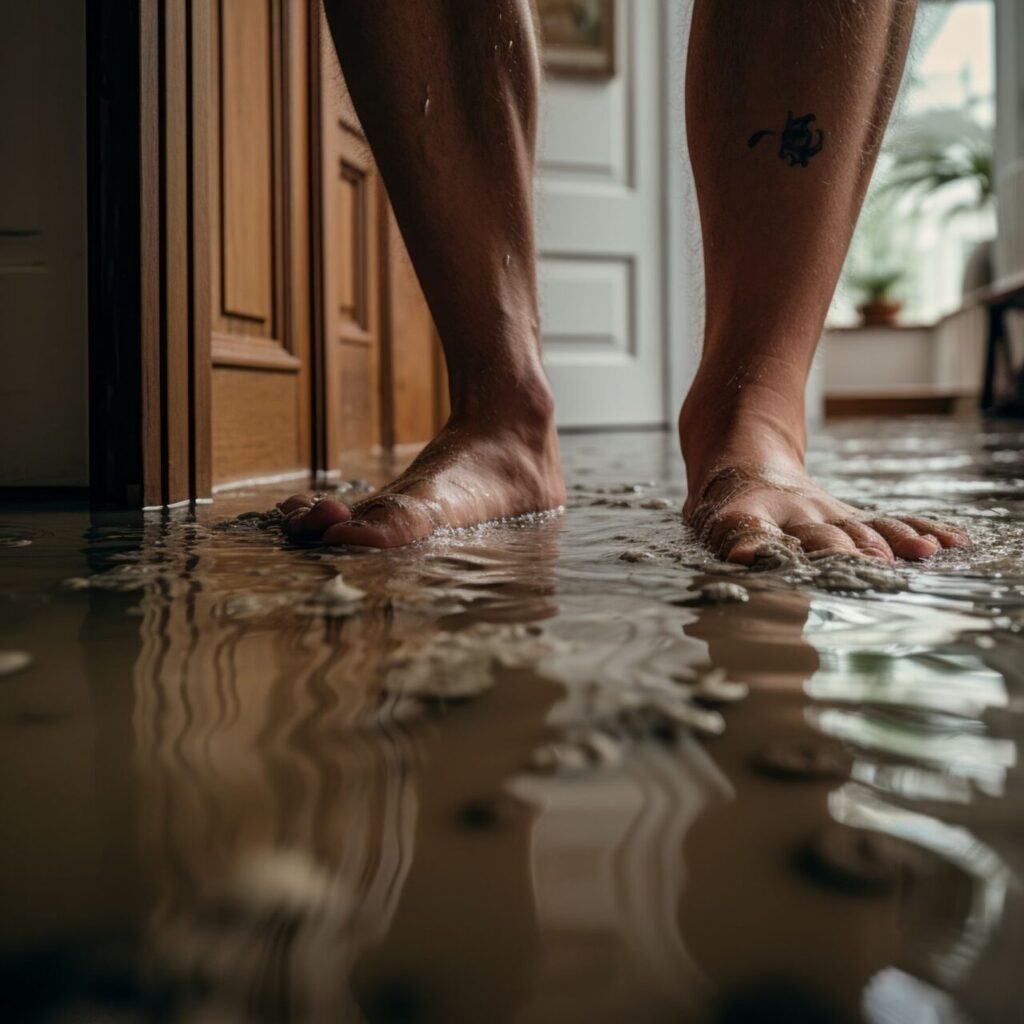
It’s a coincidence that most people only think about water damage when it happens to them. When faced with an emergency water extraction situation, knowing what to do can make all the difference. From evaluating the situation to preventing future issues, each step plays a vital role in minimizing damage. You’ll want to be prepared and act quickly when disaster strikes, but what exactly should you focus on first?
Emergency Water Extraction : Key Takeaways
- Quickly assess the source of water and ensure safety by keeping everyone away from the affected area.
- Turn off electricity and gas to prevent accidents and further damage before beginning extraction.
- Use pumps or wet vacuums for effective water removal, and absorb smaller spills with towels.
- Enhance ventilation by opening windows and doors, and use fans and dehumidifiers to dry the area.
- Monitor humidity levels and check hidden areas for trapped moisture to prevent future issues.
Assess the Situation Quickly
When you face a water emergency, it’s crucial to assess the situation quickly to minimize damage and ensure safety. Start by determining the source of the water—whether it’s a leak, flood, or burst pipe. This initial damage assessment allows you to prioritize your next steps effectively.
Next, check the area for any hazards. Look for electrical equipment in the water and potential structural issues that could pose risks. Make sure everyone’s safe and away from the affected area, as safety precautions are your top priority.
If possible, document the damage with photos for insurance purposes. This record can be invaluable when you seek assistance later.
Turn Off Electricity and Gas
Before you proceed with any water extraction efforts, it’s essential to turn off the electricity and gas to prevent accidents and further damage. This utility shutdown is an important safety precaution that can protect you and your property.
Locate your main electrical panel and gas shut-off valve—typically found near your gas meter. If you’re unsure, don’t hesitate to consult a professional for guidance.
Once you’ve turned off the electricity, avoid standing water until you’re sure it’s safe. Water can conduct electricity, creating a dangerous situation.
For gas, gently turn the valve clockwise to shut it off, and ventilate the area if you smell gas.
Taking these steps safeguards your well-being and minimizes the risk of further complications.
Remove Water and Moisture Immediately
As soon as you’ve confirmed the area is safe, it’s crucial to start removing water and moisture immediately to prevent further damage.
Begin by using effective water removal techniques like pumps or wet vacuums to extract standing water. These tools are essential for tackling larger volumes of water quickly. If you’re dealing with smaller spills, absorbent materials such as towels can help soak up moisture efficiently.
After initial removal, focus on moisture control methods. Open windows and doors to enhance ventilation, which aids in drying. Use fans or dehumidifiers to further reduce humidity levels, preventing mold growth.
Don’t forget to check hidden areas, like behind furniture or inside walls, for trapped moisture.
This proactive approach safeguards your property and fosters a sense of community as you share valuable insights with neighbors facing similar issues. Taking immediate action ensures your environment remains safe and welcoming for everyone.
Dry and Dehumidify the Area
To effectively dry and dehumidify the area, you need to act swiftly and strategically. Start by opening windows and doors to enhance airflow, which is vital for effective drying methods.
Utilize fans and dehumidifiers to expedite the process—these tools are indispensable for removing excess moisture from the air.
Consider employing various dehumidification techniques, such as placing moisture-absorbing materials like silica gel or activated charcoal in key spots. This will help pull moisture from areas that might remain damp.
As you work, monitor humidity levels with a hygrometer to ensure they drop to a safe range.
If available, use heat sources like space heaters to increase the temperature, which can accelerate evaporation.
Prevent Future Water Damage
While you may have successfully managed a water extraction situation, it’s essential to implement preventive measures to avoid future incidents.
Protecting your home from water damage is vital, and you can achieve this by adopting the following strategies:
Invest in Waterproofing Solutions: Apply sealants to your walls and foundation to prevent water seepage during heavy rains.
Enhance Drainage Systems: Make certain gutters and downspouts are clear and direct water away from your home’s foundation.
Check for Leaks Regularly: Inspect pipes and fixtures for signs of wear or leaks, addressing issues promptly to prevent escalation.
Landscape Wisely: Grade your yard to slope away from your home, reducing the risk of water pooling near the foundation.
Frequently Asked Questions
What Tools Are Essential for Effective Water Extraction?
For effective water extraction, you’ll need reliable water pumps and powerful extraction vacuums. These tools help you quickly remove standing water, ensuring your space stays safe and minimizing potential damage. Don’t underestimate their importance!
How Can I Identify Hidden Water Damage?
To identify hidden water damage, look for water stains on ceilings and walls. Check for damp walls, especially near windows and plumbing fixtures. If you notice any irregularities, investigate further to prevent costly repairs.
Should I Call a Professional or Do It Myself?
When facing water damage, you’ll weigh DIY methods against professional services. While tackling it yourself can feel empowering, a seasoned expert ensures thoroughness and peace of mind. Choose wisely, considering both time and potential costs.
What Are the Health Risks Associated With Standing Water?
Standing water poses serious health hazards, like bacteria and mold growth, which can lead to respiratory issues and infections. You should avoid contact and address the situation promptly to protect your health and well-being.
How Can I Check for Mold After Water Damage?
When mold hides like a thief in the night, you need a thorough mold inspection. Look for discoloration, musty odors, and dampness. If found, prompt mold remediation can restore your space and peace of mind.
Final Thoughts
So, you’ve tackled the chaos of emergency water extraction like a pro—congratulations! Staying proactive is key. By following these tips, you can keep your space dry and mold-free, ensuring your next house party isn’t a soggy disaster. Remember, a little prevention goes a long way—unless you’re planning to host an aquarium.