
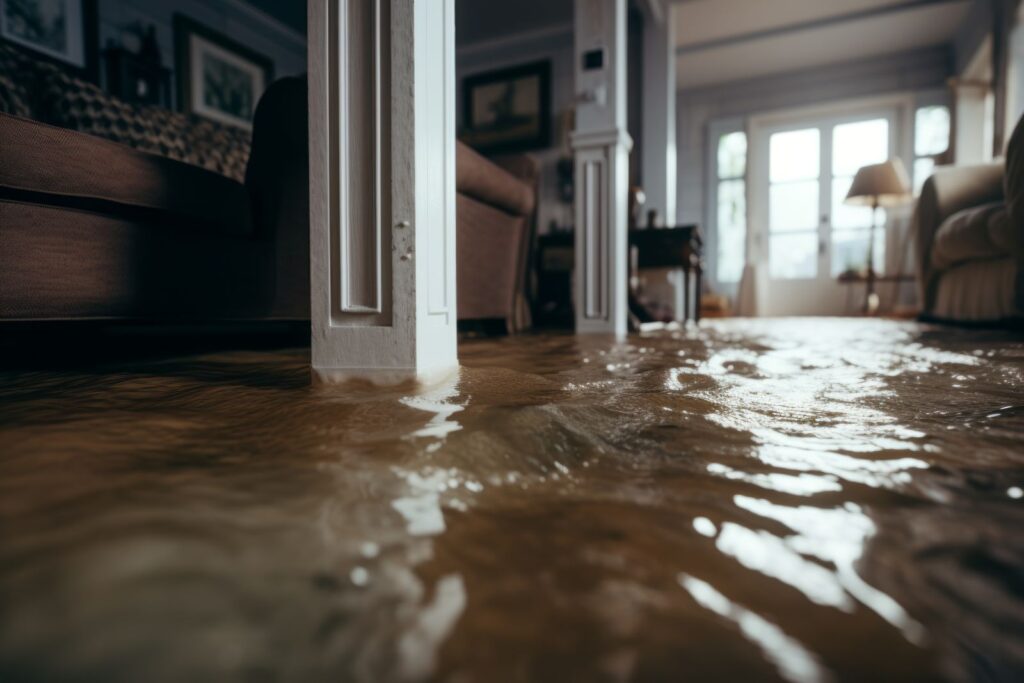
It’s funny how heavy rain can turn into a flooded basement just when you least expect it. When this happens, your first instinct might be to panic, but staying calm is vital. Knowing exactly what steps to take can make all the difference in minimizing damage. Let’s break down five essential tips that will help you tackle the cleanup process efficiently and effectively. You’ll want to ensure your space is safe and dry before proceeding.
Key Takeaways
- Assess the damage and safety hazards thoroughly before starting cleanup to ensure a safe working environment.
- Remove standing water quickly using a sump pump or wet/dry vacuum to minimize damage and mold growth.
- Dry out affected areas with dehumidifiers and fans to reduce moisture levels and prevent mold.
- Clean and disinfect all surfaces with appropriate agents to eliminate contaminants and prevent health risks.
- Implement preventive measures like proper drainage solutions and sealing foundation cracks to avoid future flooding issues.
Assess the Damage and Safety Hazards
Before diving into the cleanup process, you need to assess the damage and identify any safety hazards that may pose a risk.
Start with a thorough damage assessment of your basement. Look for structural issues, such as cracks in the walls or ceiling, and check for damaged electrical wiring or appliances. If you notice any signs of mold or mildew, be cautious; these can lead to health problems.
Safety precautions are essential during this stage. Make sure the area is well-ventilated, and wear protective gear like gloves and boots to shield yourself from contaminants.
If you suspect significant structural damage, it might be best to consult a professional before proceeding.
Remove Standing Water Quickly
Once you’ve assessed the damage and ensured the area is safe, it’s time to focus on removing standing water. Acting quickly is essential to minimize further damage and mold growth.
Start with water extraction by using a sump pump if you have one. This powerful tool can effectively remove large amounts of water quickly and efficiently. Make sure to place the pump in the deepest part of the basement for best results.
If you don’t have a sump pump, consider renting one or using a wet/dry vacuum for smaller amounts of water. Whichever method you choose, wear protective gear to keep yourself safe from contaminants.
As you extract the water, keep an eye out for any hidden hazards, like damaged electrical wires. The quicker you act, the better chance you have of preventing extensive damage, so don’t delay—get that water out!
Dry Out the Affected Areas
As you begin the drying process, it’s crucial to tackle the affected areas promptly to prevent mold growth and further structural damage.
Start by using a dehumidifier to extract moisture from the air, especially in enclosed spaces. Set it to run continuously until the humidity level drops below 60%. Open windows and doors to improve airflow, employing effective ventilation techniques. Use fans to circulate air, directing them toward damp spots to expedite drying.
Check insulation and any porous materials, as they can hold moisture and create problems later. If necessary, remove soaked items like carpets and upholstery, as they can retain water and promote mold.
Keep an eye on the drying progress, and be patient; it’s imperative to confirm everything is thoroughly dried out.
With these steps, you’re restoring your basement and creating a safer, healthier home environment for you and your family.
Clean and Disinfect Surfaces
Cleaning and disinfecting surfaces in a flooded basement is essential for preventing mold and bacteria growth. You’ll want to act quickly and thoroughly. Start by removing any standing water, then focus on surface cleaning. Use a mixture of water and a suitable disinfecting agent like bleach or hydrogen peroxide. Don’t forget to wear gloves and a mask for protection.
Here’s a quick reference table to help you choose your disinfecting agents:
| Disinfecting Agent | Effectiveness |
|---|---|
| Bleach | Kills most bacteria |
| Hydrogen Peroxide | Good for porous surfaces |
| Vinegar | Mild disinfectant |
| Rubbing Alcohol | Fast-drying option |
| Quaternary Ammonium Compounds | Effective on various surfaces |
After applying your chosen disinfectant, wipe down surfaces thoroughly. This proactive approach will ensure your basement remains safe and healthy for you and your family.
Prevent Future Flooding Issues
To prevent future flooding issues, it’s essential to assess and address both the interior and exterior factors that contribute to water intrusion.
Start by inspecting your gutters and downspouts—ensure they’re clear and divert water away from your foundation. Consider installing high-quality drainage solutions, like French drains, to effectively channel water away from your home.
Inside, check for cracks in your foundation and seal them with appropriate waterproofing materials. Additionally, invest in a sump pump to handle excess water during heavy rains.
Regular maintenance is key; keep your landscaping sloped away from your home and avoid planting large trees near your foundation, as their roots can damage drainage systems.
By taking these proactive steps for flood prevention, you’ll protect your home and create a safer, more welcoming environment for your family.
Summary
Addressing a flooded basement promptly is essential to minimizing damage and health risks. By following these tips—assessing hazards, removing water swiftly, drying the area thoroughly, and disinfecting surfaces—you can protect your home and loved ones. Plus, implementing preventive measures will help you avoid future flooding. Stay proactive, and make certain your basement remains a safe and dry space for years to come.