
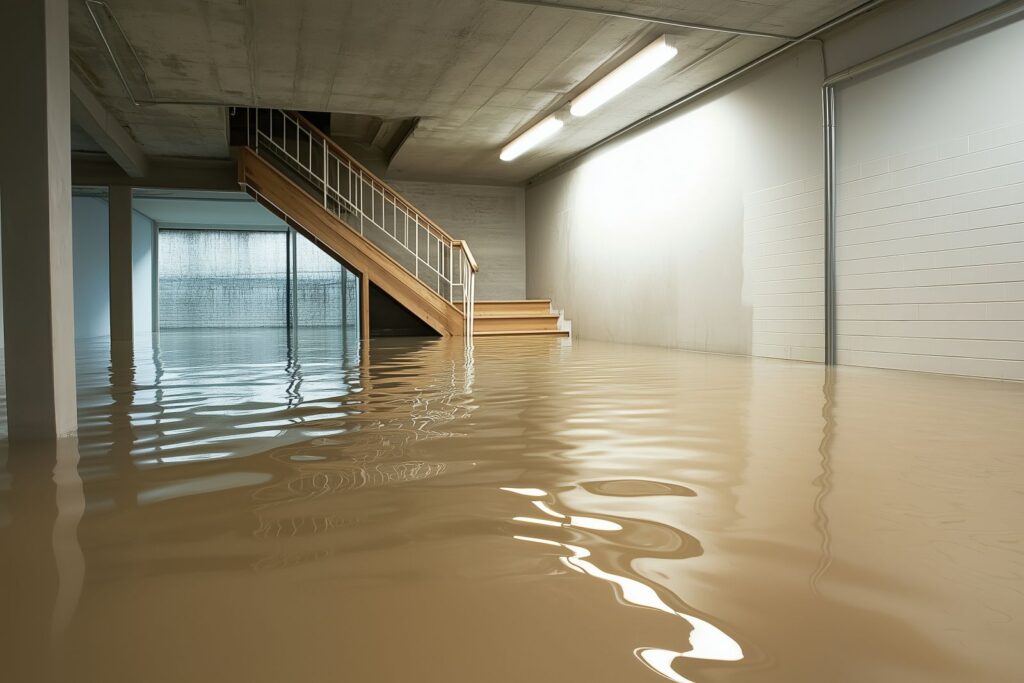
When your basement floods after a heavy rainstorm, it can feel overwhelming. You’ll need a clear plan to tackle the mess and ensure safety. Start by evaluating potential hazards and gathering the right tools. Each step is vital to minimize damage and prevent mold. Knowing what to do next can make all the difference in restoring your space effectively. Let’s explore the essential tips that can guide you through this challenging process.
Key Takeaways
- Assess safety hazards by inspecting for submerged electrical outlets and loose wires before entering the flooded area.
- Gather essential cleanup equipment, including trash bags, mops, and a wet/dry vacuum for efficient water removal.
- Remove standing water quickly using a wet/dry vacuum, then mop any remaining moisture and position fans for air circulation.
- Sanitize all surfaces with mild detergent and apply odor-neutralizers like vinegar or baking soda to combat unpleasant smells.
- Check for mold growth by inspecting for dark spots and maintaining humidity levels below 60% with dehumidifiers to prevent future infestations.
Assess the Damage and Safety Hazards
When dealing with a flooded basement, the first step is to assess the damage and identify any safety hazards.
Start by inspecting the area carefully; look for submerged electrical outlets, loose wires, or damaged appliances. If you see standing water, avoid contact to prevent shocks or injuries. Wearing rubber boots and gloves can help you stay safe while you work.
Next, evaluate the extent of the damage. Check for waterlogged materials like carpets, drywall, and insulation, as these will need to be addressed promptly.
Document your findings with photos for insurance purposes, ensuring you have a thorough damage assessment. If mold is present, it’s essential to take immediate action.
Gather Essential Cleanup Equipment
Before diving into the cleanup process, make sure you’ve gathered the essential equipment you’ll need to tackle the job effectively.
Start by collecting your cleanup supplies, such as sturdy trash bags, mops, buckets, and a wet/dry vacuum to manage any standing water. A dehumidifier will also be invaluable for drying out the space afterward.
Safety gear is vital, too. Don’t forget to wear waterproof gloves, rubber boots, and a mask to protect yourself from mold spores and bacteria.
If there’s a risk of electrical hazards, consider using a battery-operated light for visibility.
Having a first aid kit on hand is wise, just in case of minor injuries.
Remove Water Quickly and Efficiently
To remove water quickly and efficiently, start by using your wet/dry vacuum to tackle any standing water in your basement. This powerful tool is essential for effective water removal techniques, allowing you to clear out as much water as possible in a short amount of time.
Once you’ve removed the bulk of the water, use mops or towels to soak up any remaining moisture.
Next, consider utilizing fans and dehumidifiers for quick drying methods. Position fans to circulate air throughout the space, which will help speed up the drying process. A dehumidifier can also be invaluable, as it pulls moisture from the air, creating a less humid environment that prevents mold growth.
Keep in mind that the sooner you act, the better your chances of minimizing damage.
You’re not alone in this; many face similar challenges, and sharing these experiences can help foster a sense of community.
Dry Out the Affected Area
Once you’ve removed the standing water, it’s vital to dry out the affected area as quickly as possible.
Use fans and dehumidifiers to increase air circulation, which helps evaporate any remaining moisture.
This step is essential to prevent mold growth and further damage to your basement.
Remove Standing Water
Start by evaluating the extent of the standing water in your basement. Depending on the amount, you can choose suitable water removal techniques. If it’s a few inches, a wet/dry vacuum may suffice. For deeper water, consider sump pump options for efficient removal.
Here’s a quick overview of some methods:
| Method | Description |
|---|---|
| Wet/Dry Vacuum | Ideal for small amounts of water. |
| Submersible Pump | Great for deeper water issues. |
| Bucket Removal | Manual method for minor cases. |
| Floor Squeegee | Helps move water towards drains. |
| Dehumidifier | Reduces moisture after water removal. |
Using the right technique will ensure your basement dries efficiently, preventing further damage and mold growth.
Increase Air Circulation
As you tackle the aftermath of a basement flood, increasing air circulation is essential for drying out the affected area effectively.
Proper airflow helps prevent mold growth and structural damage. Here are some practical ventilation techniques you can use:
Open Windows and Doors: Create cross-ventilation by opening all available windows and doors to allow fresh air to enter and circulate.
Use Fans: Position fans strategically to promote airflow, directing them towards damp areas to speed up the drying process.
Dehumidifiers: Invest in a dehumidifier to reduce moisture levels, complementing your air circulation efforts.
Sanitize and Deodorize
To ensure your basement is safe and odor-free after a flood, you’ll need to focus on sanitizing and deodorizing the area effectively.
Start by using effective cleaning solutions, such as a mixture of water and a mild detergent, to scrub all surfaces. Pay special attention to corners and crevices where dirt and bacteria can linger. After cleaning, rinse thoroughly to remove any residue.
Next, tackle odors with odor neutralizers. You can use products specifically designed for this purpose or create your own using vinegar or baking soda.
Sprinkle baking soda on affected areas and let it sit for a few hours before vacuuming. Alternatively, place bowls of vinegar around the basement to absorb unpleasant smells.
Finally, make sure that the space is well-ventilated while drying to prevent any lingering dampness.
With these steps, you’ll create a welcoming and safe environment for your family.
Check for Mold Growth
After a basement flood, it’s essential to check for mold growth in affected areas.
Look for dark spots or a musty smell, as these are common indicators of mold.
To prevent future mold issues, ensure proper ventilation and address any lingering moisture immediately.
Identify Affected Areas
When you discover water in your basement, it’s important to check for mold growth since it can develop quickly in damp environments.
Mold can pose serious health risks, so identifying affected areas is vital. Look for flood indicators and potential water sources that might’ve contributed to the problem.
Here are some key areas to inspect:
- Walls and Ceilings: Check for discoloration or peeling paint.
- Carpets and Rugs: Look for dampness or musty odors.
- Hidden Spaces: Don’t forget corners, behind appliances, and under stairs.
Prevent Future Mold
Even if you’ve cleaned up the water, mold can still linger in your basement if you don’t take proactive steps to prevent its return.
Start by checking for any hidden damp areas, as mold thrives in moisture-rich environments. Invest in humidity control solutions, such as dehumidifiers, to keep levels below 60%.
Ensure proper ventilation by opening windows and using fans, especially after heavy rains. Regularly inspect walls and corners for any signs of mold growth and promptly address any leaks or water damage.
Additionally, consider applying mold-resistant paint to surfaces at risk.
Repair and Restore Your Basement
Evaluating the damage in your basement is the essential first step in the repair and restoration process.
Once you’ve assessed the situation, it’s time to engage in the repairs. Whether you’re planning a basement renovation or simply restoring it to its former glory, consider these key steps:
Remove damaged materials: Tear out any wet drywall, carpet, or insulation to prevent mold growth.
Clean and disinfect: Use a mixture of water and bleach to sanitize surfaces and eliminate bacteria.
Implement waterproofing solutions: Apply sealants or install drainage systems to prevent future flooding.
After you’ve addressed immediate concerns, think about long-term enhancements.
Upgrading your basement with effective waterproofing solutions protects it and increases your home’s value.
Frequently Asked Questions
How Can I Prevent Future Basement Flooding?
To prevent future basement flooding, you should install proper drainage systems and a reliable sump pump. Regularly check these systems, ensuring they’re clear and functioning so you can protect your home and maintain peace of mind.
What Insurance Coverage Applies to Basement Flood Damage?
When your basement floods, it’s like a storm cloud hovering over your peace of mind. Flood insurance offers essential coverage limits that can ease the financial burden. Check your policy to understand what’s included and excluded.
Should I Hire Professionals for Cleanup or Do It Myself?
Deciding whether to hire professionals or tackle it yourself depends on cost considerations and your comfort level. If you’re confident, explore DIY techniques, but remember, professionals ensure thorough cleanup and prevent future issues.
How Long Does It Take for a Basement to Dry Out Completely?
Think of your basement as a sponge—until it’s fully dry, moisture lingers. Depending on drying methods, like fans or dehumidifiers, it can take days to weeks to reach ideal moisture levels. Stay patient and proactive!
What Should I Do With Damaged Personal Belongings?
When dealing with damaged personal belongings, assess each item for salvaging potential. Follow local disposal guidelines for anything beyond repair, ensuring you’re not harming the environment while clearing out your space effectively and responsibly.
Recap
Tackling a basement flood can be intimidating, but following these steps can make the process smoother. Acting quickly after a flood can help minimize damage, protect your belongings, and restore your space to a safe, dry condition. Following the right steps immediately is key to a successful recovery. Don’t let water damage overwhelm you; take control and restore your basement with confidence. Your home deserves it!