
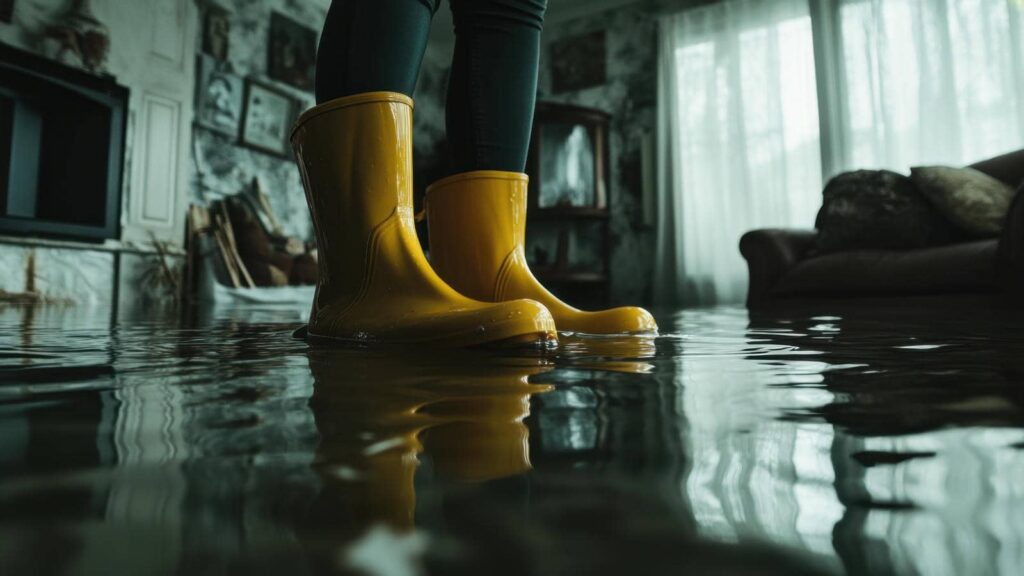
Many homeowners underestimate the impact of stormwater on their properties, often leading to significant water damage over time. Effective solutions exist to manage this issue, but understanding them is essential for prevention. From drainage systems to rainwater harvesting, each method plays a unique role in mitigating risks. Exploring these five key approaches can help you safeguard your home and enhance its resilience against storms. What steps will you take to protect your investment?
Key Takeaways
- Install a proper drainage system to effectively manage stormwater and prevent foundation damage.
- Utilize rainwater harvesting techniques to conserve water and reduce flooding risks during heavy rains.
- Implement landscape grading solutions to redirect runoff away from your property efficiently.
- Invest in flood barriers and shields tailored to your unique flood risks for added protection.
- Regularly maintain gutters and downspouts to prevent clogs that can lead to stormwater damage.
Install a Proper Drainage System
Installing a proper drainage system is vital for mitigating stormwater damage effectively. You’ll need to take into account various drainage system types, such as surface, subsurface, and French drains, each designed for specific water management needs. Selecting the right type ensures peak performance, preventing water accumulation around your property.
Regular drainage maintenance is important for longevity and efficiency. Start by inspecting the system for clogs and debris that can obstruct flow. Clean gutters and downspouts frequently to maintain proper water diversion.
Think about using perforated piping in areas prone to pooling, as it enhances water absorption. Additionally, make sure your landscape slopes away from your foundation; this simple adjustment can greatly reduce stormwater intrusion.
Utilize Rainwater Harvesting Techniques
Rainwater harvesting techniques can considerably reduce stormwater damage while providing a sustainable water source for your property. By collecting and storing rainwater, you minimize runoff and enhance your water management strategy.
Implementing a rainwater storage system, such as cisterns or barrels, allows you to capture precipitation effectively. This practice conserves water and mitigates the risk of flooding during heavy rains.
To maximize the benefits of rainwater harvesting, consider incorporating filtration systems to ensure the stored water remains clean and suitable for irrigation and other non-potable uses.
Adopting these sustainable practices fosters a sense of community responsibility, as you contribute to environmental conservation alongside your neighbors.
Ultimately, utilizing rainwater harvesting techniques protects your home from stormwater damage and promotes a more sustainable lifestyle, creating a lasting impact on your property and the environment.
Implement Landscape Grading Solutions
Effective landscape grading solutions can greatly reduce the risk of stormwater damage by directing runoff away from your property. By creating appropriate landscape slopes, you ensure that water flows towards designated drainage areas, minimizing the likelihood of pooling around your foundation.
It’s essential to evaluate your property’s topography and adjust the grading accordingly, promoting effective drainage.
Soil compaction plays a significant role in this process. Compacted soil can hinder water absorption, leading to increased runoff. To combat this, consider aerating your soil before grading, allowing for better water infiltration.
Using a combination of grading techniques and maintaining healthy soil will enhance your landscape’s ability to manage stormwater efficiently.
Implementing these grading solutions protects your home and contributes to a sustainable environment. By taking these steps, you join a community of homeowners committed to reducing stormwater damage and promoting responsible land stewardship.
Invest in Flood Barriers and Shields
One proactive measure you can take to safeguard your property from stormwater damage is investing in flood barriers and shields.
These solutions come in various flood barrier types, including inflatable barriers, deployable walls, and permanent installations. Each type serves a specific purpose, allowing you to choose based on your unique needs and potential flood risks.
When selecting barriers, consider the shield materials, as they greatly impact durability and effectiveness.
Common materials include aluminum, reinforced plastics, and high-density fabrics, each offering distinct advantages regarding strength and weight.
Regularly Maintain Gutters and Downspouts
While it might seem tedious, regularly maintaining gutters and downspouts is essential for preventing stormwater damage to your property. Clogged gutters can overflow, allowing water to seep into your foundation and cause significant structural issues.
Schedule routine gutter cleaning at least twice a year—more often if your home is surrounded by trees.
During each cleaning, don’t forget a thorough downspout inspection. Make certain that downspouts are clear and directing water away from your home’s foundation. If you notice any blockages or damage, address them immediately to prevent backflow and potential flooding.
Investing time in these maintenance tasks protects your property and fosters a sense of community responsibility among homeowners.
Frequently Asked Questions
How Do I Assess My Property for Stormwater Issues?
To assess your property for stormwater issues, conduct a thorough property evaluation. Check drainage solutions, observe water flow patterns, and identify problem areas where water accumulates, ensuring effective management and prevention of future damage.
What Permits Are Needed for Drainage System Installation?
When you’re paving a path through a forest, understanding drainage regulations and permit requirements is essential. Research local codes and consult with authorities to ensure your drainage system meets all necessary legal standards for installation.
Can Homeowners Insurance Cover Stormwater Damage?
Homeowners’ insurance can cover stormwater damage, but it depends on your policy. Review your insurance coverage carefully to ensure you’re aware of any policy exclusions related to flooding or drainage issues, and confirm you’re adequately protected.
How Often Should I Inspect My Drainage System?
Inspect your drainage system at least twice a year—it’s not rocket science! Regular drainage maintenance ensures efficiency, preventing costly issues. Staying proactive with inspection frequency helps you avoid headaches and keeps your home safe and dry.
What Are the Signs of Inadequate Stormwater Management?
You’ll notice inadequate stormwater management by observing water pooling in your yard or near your home. Additionally, drainage blockages can indicate issues, preventing proper flow and increasing the risk of water damage to your property.
Final Thoughts
By implementing these five solutions, you’re not just shielding your home from stormwater damage; you’re building a fortress against nature’s whims. Think of your property as a ship steering through turbulent waters—each strategy acts as a sturdy plank keeping you afloat. Whether it’s a well-designed drainage system or regular gutter maintenance, each step reinforces your defenses. Investing in these measures ensures that when the storm clouds gather, your home remains a safe harbor, resilient and secure.