
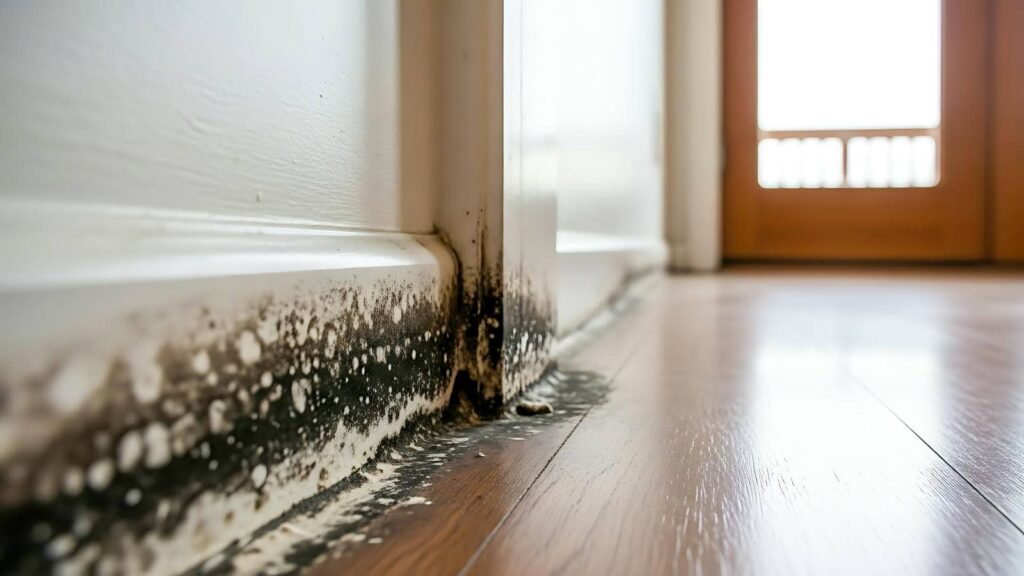
Coincidentally, many homeowners underestimate the urgency of mold prevention after a flood. If you don’t act quickly, hidden moisture can lead to severe mold issues in your home. It’s crucial to assess the damage, remove standing water, and dry affected areas within 24-48 hours. By implementing effective strategies, you can greatly reduce the risk of mold. What steps should you prioritize to make sure your home remains mold-free in the aftermath?
Key Takeaways
- Act quickly to remove standing water and dry affected areas to prevent mold growth.
- Use dehumidifiers to maintain humidity levels below 60% in moisture-affected spaces.
- Regularly inspect for signs of moisture and mold, addressing any issues promptly.
- Clean and disinfect surfaces with a bleach solution to eliminate mold spores.
- Promote proper ventilation throughout the home to enhance airflow and reduce humidity.
Assess the Damage Immediately
When flooding occurs, it’s essential to assess the damage immediately to mitigate mold growth effectively.
Start by documenting the affected areas and taking photographs for your insurance claims. This step not only helps you track the extent of the damage but also provides vital evidence when filing claims for disaster recovery.
Pay close attention to materials that retain moisture, like drywall and carpets, as these are prime candidates for mold infestation.
Make a list of damaged items, noting their condition, and prioritize which areas need urgent attention.
If you can, consult with a professional to evaluate structural integrity and safety concerns.
This proactive approach helps your recovery process and fosters a sense of community as you exchange information and strategies with neighbors facing similar challenges.
Remove Standing Water Promptly
To prevent mold growth after a flood, you need to remove standing water as quickly as possible.
Use pumps efficiently to extract excess water, and employ absorbent materials for any residual moisture.
Additionally, ensure proper ventilation to facilitate drying and inhibit mold development.
Use Pumps Efficiently
Efficiently using pumps to remove standing water is essential for preventing mold growth after a flood.
Begin by verifying your pumps are in good working condition through regular pump maintenance. Check for clogs, leaks, and ascertain that the power supply is reliable.
When deploying pumps, focus on areas with the deepest water first, as this maximizes water removal efficiency. Use multiple pumps if necessary to expedite the process.
Monitor the water levels closely; if they drop considerably, reposition your pumps to target remaining pockets of water.
Remember, the quicker you act, the less chance mold has to establish itself.
Employ Absorbent Materials
Using absorbent materials is essential for removing standing water promptly and minimizing mold growth after a flood. Start by utilizing items like towels, sponges, or mop heads designed for high absorbency.
For larger areas, consider using absorbent mats specifically engineered to soak up excess moisture quickly. When selecting these materials, opt for mold-resistant products to enhance your efforts.
These products not only help eliminate water but also deter mold spores from settling in wet spaces. You’re creating a more secure environment for yourself and your community by acting swiftly.
Ensure Proper Ventilation
After addressing standing water with absorbent materials, ensuring proper ventilation becomes a key factor in preventing mold growth.
You need to focus on promoting air circulation throughout your home. Open windows and doors to let fresh air flow in, and use fans strategically to expedite the drying process.
If your space has air conditioning, keep it running, as it helps with humidity control. Dehumidifiers are also effective tools to reduce moisture levels, creating an unfavorable environment for mold spores.
Regularly check and clean ventilation ducts to ensure they’re free of debris.
Dry Out Affected Areas Thoroughly
Thoroughly drying out affected areas is crucial in preventing mold growth after a flood. When you tackle this task, it’s important to act quickly and efficiently.
Start by removing any standing water, and then focus on drying out your space completely. Consider using mold-resistant materials and moisture barriers to further protect your home.
Here are key steps to ensure thorough drying:
- Open windows and doors to promote airflow.
- Use fans to circulate air and speed up evaporation.
- Remove soaked items, like carpeting or drywall, to prevent moisture retention.
- Check hidden areas, such as under sinks and behind appliances, to confirm no moisture lingers.
Use Dehumidifiers to Control Humidity
As you work to restore your home post-flood, employing dehumidifiers can greatly help control humidity levels, which is vital for mold prevention.
Start by strategically placing your dehumidifiers in areas most affected by moisture, such as basements and bathrooms. This targeted placement of the dehumidifier ensures the most efficient moisture removal.
Make certain to monitor humidity levels regularly, aiming to keep them below 60%. Use a hygrometer for accurate humidity monitoring, allowing you to adjust your dehumidifiers’ settings as needed.
Remember, the longer you can maintain low humidity, the less likely mold will have a chance to develop.
Also, consider using multiple dehumidifiers if your space is large or particularly humid. By consistently managing humidity with these tools, you’ll create a healthier environment, ultimately safeguarding your home and fostering a sense of belonging within it.
Clean and Disinfect Surfaces
Maintaining low humidity is just one part of preventing mold growth; cleaning and disinfecting surfaces is equally important.
After a flood, it’s essential to use effective cleaning solutions and disinfecting techniques to eliminate any remaining moisture and potential mold spores.
Here are some key steps to follow:
Use a mixture of water and vinegar to remove stains and odors.
Apply a bleach solution (1 cup bleach to 1 gallon of water) to disinfect hard surfaces.
Scrub surfaces thoroughly, paying special attention to corners and hidden areas where moisture can linger.
Rinse and dry surfaces completely to prevent any leftover moisture that could encourage mold.
Inspect and Replace Damaged Materials
After a flood, it’s essential to inspect your home for any materials that may have been compromised by water damage.
Identify affected areas like drywall, flooring, and insulation, as these can harbor mold if not addressed promptly.
Once you’ve pinpointed the damage, choose suitable materials for replacement that resist moisture and mold growth.
Identify Affected Areas
To effectively prevent mold growth after a flood, you must first identify the areas affected by water damage. Using the right detection methods is vital.
Focus on the following spots where different mold types may thrive:
Basements: Check for dampness and discoloration on walls.
Crawl spaces: Inspect for musty odors and water pooling.
Walls and ceilings: Look for stains or bubbling paint.
Flooring: Examine carpets and underlayment for saturation.
Once you’ve identified these areas, it’s important to replace any damaged materials promptly.
This proactive approach can greatly reduce the risk of mold spores taking hold and creating a more welcoming environment for your home and family.
Choose Suitable Materials
Once you’ve pinpointed the areas affected by water damage, the next step is to choose suitable materials for repairs and replacements.
Opt for mold-resistant materials, like treated wood or specific drywall, which can greatly reduce the risk of mold growth. Additionally, consider applying waterproof coatings on surfaces exposed to moisture.
These coatings not only protect your walls and floors but also form a barrier against future water damage. When selecting materials, confirm they’re durable and compatible with your environment.
This careful choice will foster a safer living space, helping you and your loved ones feel secure and comfortable. By prioritizing these materials, you can take a proactive stance in preventing mold and its related health risks.
Monitor for Signs of Mold Growth
Although you may have taken steps to dry out your home after a flood, it’s crucial to remain vigilant for signs of mold growth. Monitoring for mold growth indicators can help you catch issues early, ensuring your space remains safe and welcoming.
Here are some key signs to watch for:
Visible mold: Look for dark spots or fuzzy growth on walls, ceilings, or furniture.
Musty odors: A persistent, damp smell can indicate hidden mold.
Water stains: Discoloration on surfaces may suggest moisture accumulation.
Increased allergies or respiratory issues: Unexplained health changes can signal mold exposure.
Implementing effective mold prevention strategies involves regularly checking for these indicators.
Maintain Proper Ventilation and Airflow
Keeping an eye out for signs of mold growth is just one part of your flood recovery strategy; maintaining proper ventilation and airflow is equally important.
Effective air circulation techniques can greatly reduce moisture levels in your home, creating an environment less conducive to mold. Start by opening windows and doors whenever possible to promote natural airflow.
Consider investing in ventilation systems that actively circulate air, especially in areas prone to dampness like basements and bathrooms. Dehumidifiers are also essential, as they help maintain ideal humidity levels.
Regularly check and clean vents to verify they’re free of obstructions, enhancing airflow throughout your space. You might also use fans strategically to direct air to stagnant areas.
Frequently Asked Questions
How Long Does It Take for Mold to Start Growing After a Flood?
Mold can start growing within 24 to 48 hours after a flood, depending on flood damage factors like temperature and humidity. Understanding the mold growth timeline is essential for effective prevention and remediation efforts.
Can Mold Grow in Hidden Spaces Like Behind Walls?
Yes, mold can thrive in hidden spaces like behind walls. Hidden moisture in wall insulation creates a perfect breeding ground, allowing mold to flourish undetected, potentially leading to serious health and structural issues if not addressed.
What Are the Health Risks Associated With Mold Exposure?
Mold exposure can lead to various health risks, including mold symptoms like sneezing, coughing, and respiratory issues. It’s essential to recognize these signs early to protect your well-being and ensure a safe living environment.
Is It Safe to Stay in My Home During Mold Remediation?
Staying during mold remediation isn’t wise; it’s like inviting trouble into your sanctuary. Follow home evacuation guidelines for safety. Prioritize your health—temporary relocation ensures you’re protected from mold exposure during the cleanup process.
Are There Any Specific Products Recommended for Mold Prevention?
For mold prevention, consider using mold inhibitors and antimicrobial sprays. These products effectively inhibit mold growth and help maintain a healthy environment. Regular application can greatly reduce your risk of mold-related issues in your home.
Review
By following these proactive steps, you can create a fortress against mold in your home. Picture your space, fresh and dry, with sunlight streaming through well-ventilated rooms, free of the musty scent of dampness. Regularly monitoring moisture and ensuring proper airflow protect your property and foster a healthier environment for you and your family. Stay vigilant, and you’ll keep mold at bay, turning your home into a safe haven once again.