
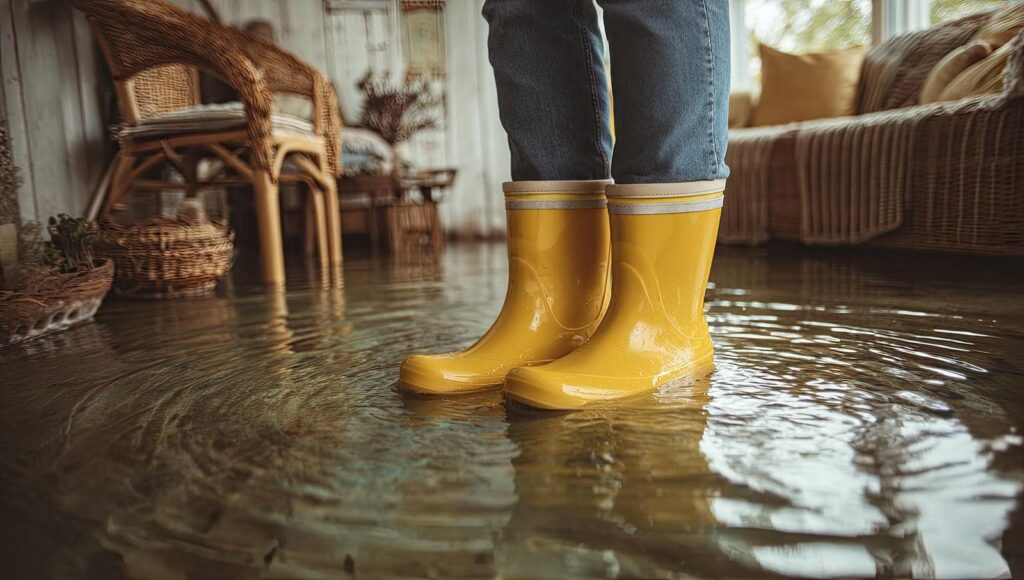
Filing a water damage insurance claim can be overwhelming, but knowing how to navigate the process can make it smoother. You’ll need to document everything carefully, understand your policy, and communicate effectively with your insurer. Each step is vital, as even small details can impact your claim. To ensure you’re prepared, let’s explore the essential tips that can help you maximize your chances of a successful claim.
Key Takeaways
- Document all damages thoroughly with an inventory and clear photographs from multiple angles to support your claim.
- Understand your insurance policy, including coverage for different types of water damage and any exclusions.
- Communicate promptly with your insurer to report the incident and avoid complications in your claims process.
- Maintain a detailed log of all interactions with your insurer, including dates, names, and key conversation points.
- Consider hiring an expert for a comprehensive damage assessment to strengthen your claim and address hidden issues.
Document the Damage Thoroughly
When filing a water damage insurance claim, documenting the damage thoroughly is essential. Start by creating a detailed damage inventory. List all affected items, including furniture, electronics, and structural components. This inventory helps establish the extent of your loss.
Next, capture photographic evidence of the damage. Take clear, well-lit photos from multiple angles to provide a complete view of the situation. Make sure to include close-ups of specific damages, as these details can support your claim.
Organizing this information will streamline the claims process and strengthen your position with the insurance company. Accurate documentation shows you’re serious about your claim and ensures you’re more likely to receive the compensation you deserve.
Learn About Water Damage Insurance Coverage
Understanding your water damage insurance coverage is essential for effective recovery. Different water types, such as clean, gray, and black water, affect your coverage.
Standard homeowners’ policies may cover clean water damage but often exclude gray and black water incidents. You’ll want to check your specific policy for coverage limits, as these can greatly influence your claim’s payout.
Familiarize yourself with terms like “deductibles” and “exclusions” to avoid surprises later. Knowing what’s covered helps you prepare for potential out-of-pocket costs.
Take the time to review your policy details, and don’t hesitate to ask your agent questions. This knowledge empowers you and ensures you’re part of a supportive community steering through similar challenges.
Reach Out to Your Insurance Company Quickly
Given the urgency of water damage, it’s crucial to contact your insurance company as soon as possible.
Delaying your initial contact can complicate your claim timeline and potentially affect your coverage. When you call, be ready to provide details about the incident, including when it happened and the extent of the damage. This information helps your insurer assess your claim quickly.
Remember, many policies require you to report damages promptly to avoid complications. Establishing this communication early speeds up the process and demonstrates your commitment to resolving the issue.
Maintain a Detailed Log of All Communications
Keeping a detailed log of all communications is essential for your water damage claim.
Record dates and times of each interaction, document key conversations, and track any submitted documents.
This organized approach will help you stay on top of the process and provide necessary evidence if disputes arise.
Record Dates and Times
Maintaining a detailed log of all communications is essential when filing a water damage insurance claim. By recording dates and times of every interaction, you create a clear incident timeline that supports your case.
This event documentation helps ensure you don’t miss critical details, like when you first reported the damage or any follow-up conversations. It’s easy to overlook specifics during stressful times, but your log should include names, titles, and contact information of everyone involved.
This organized approach reinforces your claim and builds your credibility with the insurance adjuster. When you’re thorough, you’re more likely to feel confident in your claim process and foster a sense of community with those assisting you.
Document Key Conversations
After recording dates and times, it’s important to document key conversations related to your water damage claim. Keeping a detailed log of all communications can greatly benefit your claim process.
Note the names of individuals you speak with, their roles, and any relevant insurance terminology they use. For instance, if an adjuster mentions “coverage limits” or “deductibles,” jot those down.
This information helps you understand your claim’s progress and ensures you’re on the same page with your insurer. Plus, having a clear record prevents misunderstandings.
When you refer back to these notes, you’ll feel more confident maneuvering your claim. Your diligence in documenting conversations can strengthen your case and foster a smoother resolution.
Track Submitted Documents
To ensure your water damage claim progresses smoothly, track all submitted documents meticulously. Keeping a detailed log helps you stay organized and ensures nothing slips through the cracks.
Start by documenting each submission, including dates, types of documents, and any confirmation numbers you receive. This provides a clear timeline and strengthens your case if issues arise.
When communicating with your insurer, note the names of representatives, the content of discussions, and any follow-up actions required.
Regularly reviewing this log can help you stay proactive and informed. By diligently tracking your submissions, you’ll foster a sense of control over the claims process, making it easier to navigate any challenges that may come your way.
Hire an Expert to Assess the Damage
While evaluating water damage might seem straightforward, hiring an expert ensures you accurately understand the extent of the destruction.
A professional’s damage assessment provides insights you might overlook, such as hidden mold or structural issues. They’ll pinpoint the severity of the damage and make expert recommendations on necessary repairs and restoration.
This knowledge helps you file a more robust insurance claim and confirms that you tackle any potential health hazards. Additionally, having a certified expert’s report strengthens your position with the insurance company, making the process smoother.
When facing water damage, investing in an expert is an essential step you shouldn’t skip; it safeguards your home and alleviates future risks.
Submit a Detailed Claim With Evidence
Submitting a detailed claim with evidence is essential for a successful water damage insurance process. Start your claim submission by clearly outlining the damage.
Include descriptions of affected areas, and don’t forget to document any personal belongings impacted. Evidence collection is vital—take high-quality photos and videos that show the extent of the damage.
Keep records of any repairs or assessments conducted by professionals. Gather receipts for any related expenses, as these can support your claim.
Be thorough; insurers often require detailed information to process your claim efficiently. A thorough submission speeds up the approval process and increases your chances of receiving the compensation you deserve.
Follow Up on Your Claim Regularly
Following up on your claim regularly can greatly impact the outcome of your water damage insurance process. Keeping in touch with your insurer helps ensure your claim stays on track. Schedule periodic check-ins to request claim updates and clarify any uncertainties. This proactive approach can prevent delays and demonstrate your commitment to resolving the matter.
During your insurance follow-ups, don’t hesitate to ask about timelines and required documentation. Be polite but assertive; it’s your right to stay informed.
If you encounter roadblocks, note them down and escalate the issue if necessary. Regular communication fosters a sense of trust and belonging in the claims process, helping you feel more in control and supported during this challenging time.
Frequently Asked Questions
What Types of Water Damage Are Typically Covered by Insurance?
Insurance typically covers flood damage, pipe bursts, roof leaks, and appliance failures. It’s essential you understand your policy details, as coverage can vary considerably. Always review your plan to ensure you’re adequately protected.
How Long Do I Have to File a Water Damage Claim?
How long do you think you have to file a water damage claim? Typically, you’ve got one to two years, depending on your policy. Start the filing process promptly to ensure you meet the claim timeline.
Will My Premiums Increase After Filing a Claim?
Yes, your premiums might increase after filing a claim. Insurers often assess claim impact based on your history and the nature of the damage, which can lead to higher rates in the future.
Can I Choose My Own Contractor for Repairs?
Absolutely, you can choose your own contractor for repairs! Just verify they meet your insurance guidelines. After all, wouldn’t you want someone you trust handling your home’s restoration? Your comfort matters in this process.
What if My Claim Is Denied, What Are My Options?
If your claim’s denied, you can initiate the claim appeal process. Gather evidence, document your case, and contact your insurer. Exploring denied claim options, like mediation or re-evaluation, can also help you seek a resolution.
Final Thoughts
Steering through the waters of insurance claims can feel overwhelming, but with these tips, you’re well-equipped to sail smoothly through the process. By documenting damage meticulously and staying in touch with your insurer, you’ll ensure your claim sails to success. Remember, a little diligence goes a long way in transforming a challenging situation into a manageable one. So, take a breath and follow these steps—you’ve got this!