
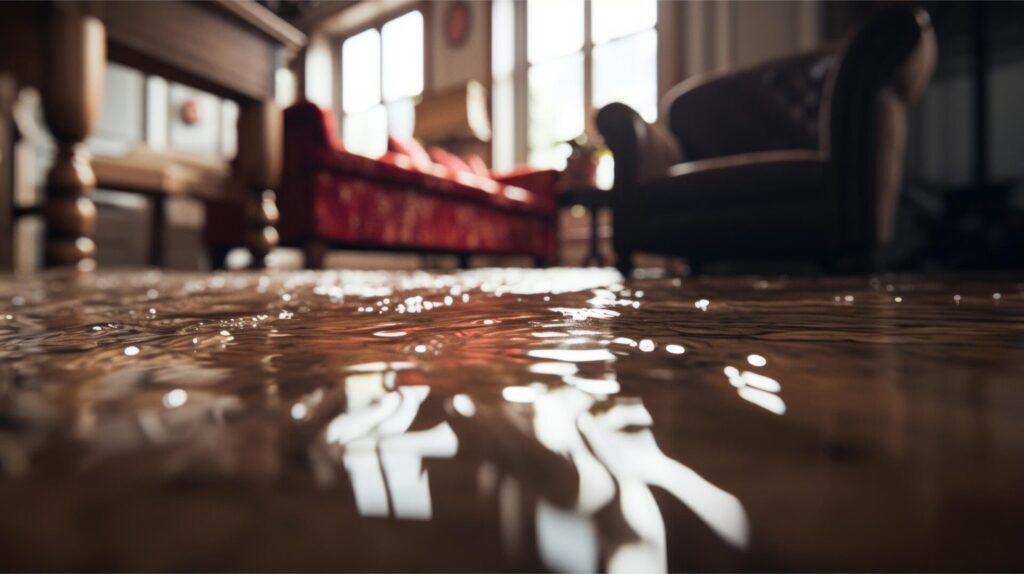
When faced with unexpected water removal emergencies, your response can greatly impact the extent of the damage. Quick action reduces structural issues and mitigates health risks associated with lingering moisture. It’s crucial to employ best practices during water removal, as they guide you through critical steps that protect your belongings and community. Understanding these practices can make all the difference, especially when you consider the long-term effects of neglecting them. What’s the first step you should take?
Key Takeaways
- Best practices ensure quick response, minimize damage, and promote community safety during emergencies.
- Proper techniques enhance effective water extraction, reducing structural damage and health risks like mold growth.
- Thorough documentation aids in recovery decisions and supports insurance claims for affected property.
- Following safety precautions protects individuals from hazards such as electrical shocks and contaminants.
- Utilizing professional assistance ensures comprehensive restoration and peace of mind during recovery efforts.
Understanding the Importance of Quick Response
When a water emergency strikes, the speed of your response can greatly impact the extent of damage to your property. Quick action minimizes potential destruction and safeguards your sense of security.
Understanding the importance of response time in such situations is essential. The sooner you initiate emergency protocols, the better your chances are of reducing costs and restoring your home.
First, familiarize yourself with these protocols. Have a plan in place, including emergency contacts, equipment, and safety measures.
When you act promptly, you’re not just preventing water damage; you’re also fostering a sense of community, as swift responses often inspire neighbors to help each other.
Remember, your timely actions can encourage others to adopt their own emergency plans, creating an environment where everyone feels more secure.
Assessing the Extent of Water Damage
When evaluating the extent of water damage, you’ll want to start with a thorough visual inspection to identify visible signs like discoloration or warping.
Utilizing moisture detection tools can help you uncover hidden issues within walls and floors that aren’t immediately apparent.
Recognizing both surface and concealed damage is essential for effective water removal and long-term recovery.
Visual Inspection Techniques
As you assess the extent of water damage, a thorough visual inspection is essential for understanding the overall impact on your property.
Start by identifying visual cues such as discoloration, warping, or mold growth, which can indicate hidden moisture. Use systematic inspection methods to cover all areas, including walls, ceilings, and flooring.
Pay attention to corners and behind furniture, where water may accumulate unnoticed. Document your findings, noting the severity and location of damage, as this will aid in recovery decisions.
Moisture Detection Tools
To effectively assess the extent of water damage in your property, utilizing moisture detection tools is crucial. Moisture meters help you identify hidden dampness in walls and floors, while infrared cameras reveal temperature variations, indicating potential moisture issues. These tools enhance your understanding of the damage and guide your restoration efforts.
| Tool | Purpose | Benefits |
|---|---|---|
| Moisture Meter | Measures moisture levels | Accurate detection of hidden moisture |
| Infrared Camera | Visualizes temperature changes | Identifies moisture behind surfaces |
| Data Logger | Monitors moisture over time | Tracks drying progress |
| Hygrometer | Measures air humidity | Assess the drying environment |
Using these tools ensures you’re making informed decisions, fostering a sense of security and belonging during recovery.
Safety Precautions Before Starting Water Removal
Before you begin water removal, it’s essential to prioritize your safety by using appropriate personal protective equipment.
Verify to check for any electrical hazards, as water and electricity can create dangerous situations.
Taking these precautions protects you and ensures a more effective and efficient removal process.
Personal Protective Equipment
When tackling emergency water removal, ensuring your safety starts with the right personal protective equipment (PPE).
You’ll want to equip yourself with protective gear such as waterproof boots, gloves, and masks to shield against contaminants found in standing water. Following safety standards isn’t just a guideline; it’s a commitment to your well-being.
By prioritizing your safety, you’re protecting yourself and setting an example for others. Remember, the environment you’re entering may pose unseen risks, and proper PPE helps mitigate these dangers.
Take a moment to check your gear before diving in. You belong to a community that values safety, so let’s look out for one another by prioritizing our health during these critical situations.
Electrical Safety Measures
Although it may seem like a straightforward task, emergency water removal involves critical electrical safety measures that can’t be overlooked.
Before you begin, identify and address potential electrical hazards. Always turn off the power supply to the affected area to prevent shocks or electrocution.
It’s essential to follow established safety protocols, ensuring that all equipment is rated for wet conditions. Use ground fault circuit interrupters (GFCIs) to enhance protection.
If you’re unsure about any electrical components, consult a professional. Remember, your safety is paramount, and taking these precautions protects you and fosters a sense of community responsibility.
Choosing the Right Equipment for Water Extraction
How can you ensure effective water extraction during an emergency? Choosing the right equipment is essential. Start by evaluating various water extraction technologies, from submersible pumps to industrial vacuums. Each tool has its strengths, so consider the specific conditions you’re facing.
For instance, powerful pumps can swiftly remove large volumes of water, while vacuums excel in absorbing residual moisture.
Don’t overlook equipment maintenance; well-maintained tools work more efficiently, reducing extraction time and ensuring safety. Before an emergency strikes, familiarize yourself with your equipment and regularly check for any wear or malfunctions.
This proactive approach prepares you for quick action and builds a sense of belonging within your community, as you can share insights and support others during crises.
Techniques for Effective Water Removal
When you face an emergency water situation, the first step is a thorough assessment and inspection of the affected area.
Understanding the extent of the damage will guide your pumping and extraction efforts, ensuring you remove the water efficiently.
After extraction, implementing effective dehumidification techniques is essential to prevent mold growth and further structural damage.
Assessment and Inspection
Effective assessment and inspection are essential steps in the emergency water removal process. You need to focus on identifying the water source and documenting damage to ensure an efficient recovery. By systematically evaluating your environment, you can pinpoint the source of the water, whether it’s a burst pipe or flooding. Documenting the damage helps create a clear record for insurance claims and future prevention.
Here’s a quick guide to streamline your assessment:
| Task | Purpose |
|---|---|
| Identify water source | Pinpoint the origin of the issue |
| Inspect affected areas | Assess the extent of the damage |
| Document findings | Create a record for insurance |
Following these steps will equip you with the knowledge needed to tackle water removal effectively.
Pumping and Extraction
While you may feel overwhelmed by the aftermath of water damage, employing the right pumping and extraction techniques is essential for swift recovery.
Understanding the appropriate methods can greatly reduce damage and restore your space. Here are four key techniques to reflect on:
Submersible Pumps: Ideal for deep water extraction, these pumps work efficiently in flooded areas.
Portable Extractors: Perfect for extracting water from carpets and upholstery, ensuring thorough removal.
Truck-Mounted Units: Powerful tools for large-scale extraction, offering higher suction capabilities.
Wet/Dry Vacuums: Handy for smaller messes, these versatile tools can tackle various surfaces.
Dehumidification Techniques
Dehumidification is a critical step in the water removal process, as it helps eliminate residual moisture that can lead to mold growth and structural damage.
Understanding effective dehumidification methods is essential for ensuring your space remains safe and healthy. You can use mechanical dehumidifiers, which efficiently extract moisture from the air, or natural methods like ventilation, which promote air circulation.
Both techniques are crucial for moisture control, helping to lower humidity levels and prevent future issues. By actively monitoring moisture levels, you create a sense of security in your environment.
Importance of Thorough Drying and Dehumidification
Thorough drying and dehumidification are essential steps in the water removal process, as they prevent long-term damage and health risks associated with moisture.
You mightn’t realize it, but neglecting these steps can lead to serious problems down the line.
Here are key reasons why you should prioritize drying and dehumidification:
Prevents structural damage: Excess moisture can weaken walls and foundations.
Inhibits pest infestations: Damp environments attract unwanted pests.
Reduces health risks: Mold and mildew thrive in moisture, leading to respiratory issues.
Protects belongings: Furniture and personal items can suffer irreversible damage.
Understanding the importance of dehumidification and utilizing effective drying techniques can save you from costly repairs and health concerns.
Embracing these practices ensures your home remains a safe and welcoming space for you and your loved ones.
Preventing Mold Growth After Water Extraction
Once you’ve extracted the water, preventing mold growth becomes critical to safeguarding your home and health. Mold can develop within 24 to 48 hours in damp environments, so it’s vital to act swiftly.
Start by implementing mold prevention strategies, such as ensuring all affected areas are thoroughly dried. Using fans and dehumidifiers can greatly help in reducing moisture levels.
Humidity control measures are equally important; maintain indoor humidity below 60% to discourage mold formation. Regularly check your home for leaks and water damage, addressing issues promptly to prevent future problems.
Additionally, consider treating surfaces with antimicrobial solutions to inhibit mold growth.
Cleaning and Sanitizing Affected Areas
As you begin cleaning and sanitizing the affected areas, it’s crucial to remember that thorough disinfection is essential for your health and safety.
Following proper cleaning protocols protects you and fosters a sense of community and care.
Here are the key steps to take into account:
Remove Debris: Clear out any damaged materials to prevent contamination.
Use Appropriate Cleaning Solutions: Choose effective sanitizing solutions that eliminate bacteria and viruses.
Scrub Surfaces: Make sure you scrub all affected surfaces, paying special attention to corners and crevices.
Allow for Drying: After cleaning, let the area dry completely to minimize future risks.
Documenting Damage for Insurance Claims
When you’ve experienced water damage, documenting the extent of that damage is vital for securing a fair insurance claim. Start by taking clear photographs of affected areas, focusing on both wide shots and close-ups. This visual evidence is significant for your insurance documentation.
Next, make a detailed list of damaged items, including their age and value. This inventory helps streamline the claim process and showcases the full impact on your property.
Don’t forget to note any temporary repairs you’ve made, as these demonstrate your proactive approach in mitigating further damage. If possible, gather estimates from restoration professionals; these can strengthen your case.
When to Call Professional Water Damage Restoration Services
Recognizing the right moment to call in professional water damage restoration services can greatly impact the outcome of your recovery efforts.
Understanding when to seek emergency response can save you time, money, and stress.
Consider reaching out for professional assistance in the following scenarios:
Severe flooding: If water has overwhelmed your space, it’s important to act quickly.
Persistent moisture: If dampness lingers despite your efforts, professionals can identify hidden sources.
Mold growth: If you notice mold, call experts to mitigate health risks and prevent further damage.
Structural damage: If you suspect your home’s integrity is compromised, immediate professional assessment is vital.
You’re not alone in this challenging situation.
Calling for help can ensure your home is restored properly and safely, allowing you to regain peace of mind and a sense of belonging in your space.
Review
In the face of water-related challenges, adhering to best practices for emergency water removal isn’t just wise—it’s essential for safeguarding your home and health. By acting swiftly and employing the right techniques, you’re not merely addressing a crisis; you’re nurturing resilience within your environment. Remember, thorough documentation ensures you can navigate insurance processes smoothly, allowing you to recover with greater ease. Ultimately, embracing these practices transforms an intimidating situation into an opportunity for renewal and growth.