
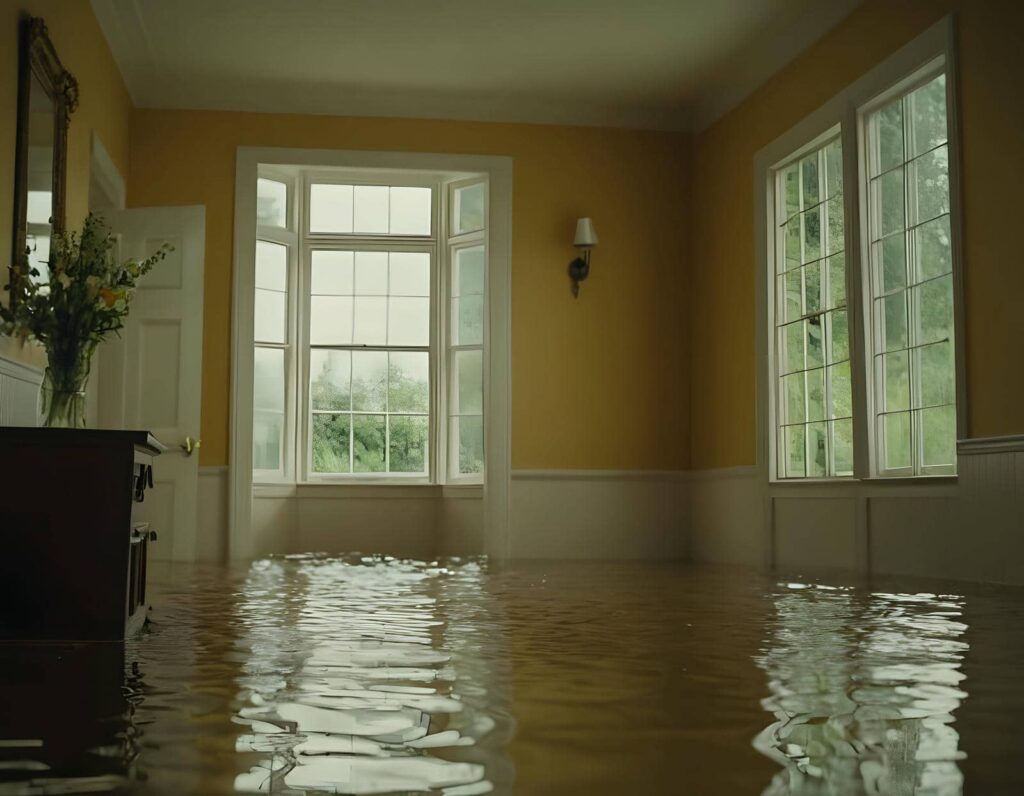
When evaluating stormwater damage, it is essential to employ a range of effective techniques to ensure a thorough assessment. Start with extensive visual inspections to identify obvious signs of damage, such as discoloration or mold growth. However, visual cues alone may not reveal all underlying issues. To uncover hidden moisture or structural concerns, advanced tools and methods are vital. Understanding these techniques can greatly impact your remediation efforts and overall outcomes.
Key Takeaways
- Conduct thorough visual inspections for signs of water intrusion, such as discoloration, mold growth, and structural warping.
- Utilize moisture detection tools like infrared thermography and moisture meters to identify hidden moisture issues effectively.
- Perform structural assessments to evaluate the integrity of damaged areas and prioritize necessary repairs.
- Collect and analyze soil and groundwater samples to detect contamination and assess stormwater impact.
- Engage professional assessment services to ensure comprehensive evaluations and access to expert insights for recovery efforts.
Visual Inspection Techniques
When evaluating stormwater damage, you’ll find that visual inspection techniques are essential for identifying issues early. Start by looking for visual cues such as discoloration on walls or ceilings, which can indicate water intrusion.
Pay attention to damage indicators like peeling paint, mold growth, or warped materials—these often signal prolonged exposure to moisture.
Inspect the exterior as well; check for erosion or pooling water around the foundation, which can lead to structural issues.
Utilize a systematic approach, moving from the roof down to the basement, ensuring you don’t overlook hidden areas.
Document your findings meticulously, as this record can guide further assessment and remediation efforts.
Engaging with fellow professionals during inspections can enhance your understanding and foster a sense of community in addressing stormwater challenges.
Clear, precise observations during these inspections lay the groundwork for effective damage evaluation and subsequent repairs.
Moisture Detection Tools
When evaluating stormwater damage, using moisture detection tools is essential for accurate evaluation.
Infrared thermography, moisture meters, and hygrometers each serve specific functions in identifying and quantifying moisture levels in materials.
Understanding how to effectively utilize these tools can greatly enhance your damage assessment process.
Infrared Thermography Applications
While evaluating storm water damage, infrared thermography proves invaluable for moisture detection. This technology allows you to conduct thermographic analysis, identifying hidden moisture issues efficiently. By using infrared applications, you can visualize temperature variances that indicate water intrusion. This method not only saves time but also minimizes disruption during inspections.
| Aspect | Infrared Thermography |
|---|---|
| Detection Method | Non-invasive |
| Speed of Analysis | Rapid |
| Visual Representation | Temperature Maps |
| Cost Efficiency | Reduces repair costs |
Implementing infrared thermography in your evaluations enhances accuracy and reliability, ensuring that you address moisture problems before they escalate. It’s an essential tool for professionals dedicated to effective storm water damage assessment.
Moisture Meters Overview
Infrared thermography is just one method for identifying moisture issues, but moisture meters offer a complementary approach for accurate detection.
Understanding moisture meter types and ensuring proper moisture meter calibration can greatly enhance your evaluation process.
Here are three key types of moisture meters to evaluate:
Pin-type Meters: These use electrodes to measure moisture content directly in materials.
Pinless Meters: These utilize electromagnetic signals to assess moisture levels without damaging surfaces.
All-in-One Meters: These combine both pin and pinless technologies for versatile applications.
Hygrometers and Their Uses
Hygrometers play an important role in moisture detection, as they measure the humidity level in the air, providing insights that are crucial for evaluating stormwater damage.
Understanding different hygrometer types, such as analog, digital, and psychrometric, can help you select the right tool for your specific needs.
Accurate hygrometer calibration is essential to ensure reliable readings; without proper calibration, you risk misinterpreting humidity levels and potentially overlooking hidden moisture issues.
Regularly checking and adjusting your hygrometer will enhance its performance and ensure you’re making informed decisions during your evaluations.
Structural Assessment Procedures
When evaluating structural integrity after stormwater damage, it’s essential to follow systematic procedures to ensure accurate evaluations.
Adhering to clear assessment criteria helps you identify potential risks and prioritize repairs effectively. Here are three key steps to contemplate:
- Visual Inspection: Begin by thoroughly examining the structure for visible signs of damage, such as cracks, warping, or water infiltration.
Document any findings to create a thorough assessment.
- Load-Bearing Analysis: Evaluate load-bearing walls and foundations to verify they’re still capable of supporting the structure.
Use tools like level gauges and plumb bobs to measure alignment and stability.
- Material Testing: Assess the condition of materials used in construction, such as concrete and wood.
Conduct tests to determine strength and durability, making sure they meet safety standards.
Following these procedures will help you maintain structural integrity and confirm your property remains safe and secure after stormwater events.
Soil and Groundwater Testing
After evaluating the structural integrity of a property, the next step involves examining the soil and groundwater conditions. This assessment is essential, as it helps you identify potential soil contamination resulting from stormwater runoff.
Start with groundwater sampling to determine the presence of pollutants. Use appropriate techniques, such as piezometers, to collect samples from various depths, ensuring a detailed analysis.
Once you’ve gathered your samples, analyze them for contaminants like heavy metals, hydrocarbons, or pathogens that could pose risks to both human health and the environment.
In addition to groundwater testing, perform soil sampling at key locations, focusing on areas where water accumulates or flows. Analyzing soil composition and contaminants can reveal how stormwater has affected the land.
Documentation and Reporting Practices
Effective documentation and reporting practices are vital for evaluating stormwater damage.
You’ll need to collect visual evidence and conduct a detailed damage evaluation to support your findings.
This systematic approach ensures accurate reporting and facilitates future mitigation efforts.
Visual Evidence Collection
Visual evidence collection is essential in evaluating stormwater damage, as it provides an accurate and reliable record of the impact on affected areas.
To effectively gather this evidence, you should focus on:
Photographic Documentation: Capture high-resolution images of affected zones, ensuring you cover various angles and perspectives.
Contextual Information: Document the date, time, and specific weather conditions at the time of observation to enhance the relevance of your evidence.
Evidence Preservation: Organize and securely store your visual records to maintain integrity and accessibility for future assessments.
Detailed Damage Assessment
Collecting visual evidence lays the groundwork for an extensive damage assessment, which is crucial for understanding the full scope of stormwater impact.
Begin by conducting a thorough drainage evaluation; identify blockages, overflow points, and system failures. Document these findings with photographs and detailed notes to provide a clear picture of the damage.
Next, perform an erosion analysis to assess the extent of soil loss and structural compromise. This will help you prioritize repairs and mitigation strategies.
Compile your findings into a comprehensive report, including visual documentation and analytical observations. Clear and concise reporting fosters collaboration among stakeholders, ensuring that everyone understands the situation and can work together toward effective solutions.
Your detailed assessment is essential for informed decision-making in recovery efforts.
Professional Assessment Services
When dealing with stormwater damage, engaging professional assessment services ensures a thorough evaluation of the affected areas.
These experts provide invaluable insights to ascertain that you understand the extent of the damage. Here are three key benefits of utilizing their services:
Expert Consultations: By connecting with professionals, you gain access to knowledgeable insights that can guide your recovery process.
Damage Appraisals: Qualified assessors conduct detailed evaluations, accurately quantifying the impact of storm water on your property.
Tailored Solutions: Professionals can recommend specific remediation strategies tailored to your property’s unique needs, ensuring an effective recovery.
Investing in these services helps you secure accurate information and fosters a sense of community support.
Frequently Asked Questions
How Can I Prevent Stormwater Damage in the Future?
To prevent stormwater damage, implement effective drainage solutions and ensure proper landscape grading. These measures direct water away from your property, reducing risks and protecting your investment against future weather-related issues.
What Are Common Signs of Stormwater Damage?
You’ll notice common signs of stormwater damage, like flooded basements and roof leaks. Inspect for water stains, mold growth, and deteriorating materials, as these indicators signal underlying issues needing your immediate attention.
How Does Insurance Cover Stormwater Damage?
Insurance typically covers stormwater damage under flood insurance policies, but you’ll need to check your coverage limits. Understanding these limits helps you prepare for potential expenses and ensures you get the necessary support during claims.
What Should I Do Immediately After a Storm?
After a storm, you should conduct a safety assessment and property inspection. Identify hazards, check for structural damage, and document any issues. This ensures your safety and helps streamline recovery efforts effectively and efficiently.
Are There Local Regulations Regarding Storm Water Management?
Yes, you’ll need to check your area’s stormwater regulations to ensure local compliance. Understanding these requirements helps you manage water effectively, protecting your property and contributing to community sustainability. Stay informed to stay compliant!
Wrap-Up
In evaluating stormwater damage, leveraging a blend of visual inspections, advanced moisture detection tools, and thorough structural assessments ensures a comprehensive understanding of potential concerns. By employing meticulous documentation and engaging professional services when needed, you foster an environment conducive to proactive remediation. Ultimately, embracing these sophisticated techniques facilitates effective decision-making and preserves the integrity of your property, allowing it to weather future challenges with resilience.