
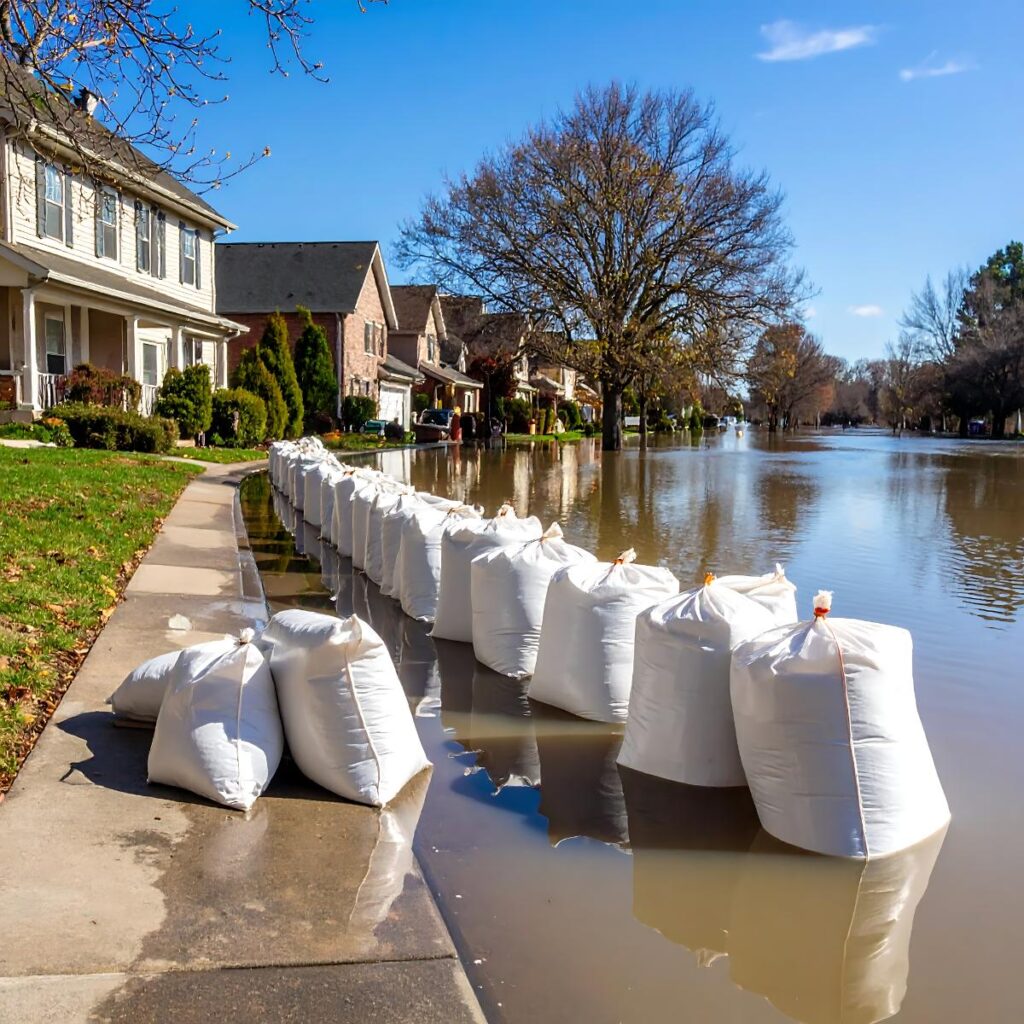
When disaster strikes, how prepared are you to tackle the aftermath? Post-storm water damage cleanup requires a meticulous approach to ensure safety and effectiveness. You’ll need to assess the damage, prioritize immediate actions, and follow a series of steps to restore your property. Each phase, from extraction to repairs, plays an essential role in minimizing long-term consequences. Understanding these processes can make all the difference when facing the chaos of a storm’s aftermath.
Key Takeaways
- Prioritize safety by wearing protective gear and checking for structural damage before starting cleanup efforts.
- Use submersible pumps for significant water removal and wet/dry vacuums for smaller spills.
- Implement drying and dehumidification processes to maintain low humidity and prevent mold growth.
- Regularly inspect for leaks and mold, addressing issues promptly with appropriate cleaning solutions.
- Document all damage and repair efforts for insurance claims, ensuring compliance with building codes.
Assessing the Damage and Safety Precautions
When you assess the damage after a storm, it’s crucial to prioritize safety before diving into cleanup efforts. Start by wearing protective gear like gloves, boots, and masks to shield yourself from potential hazards.
Check for structural damage—look for sagging ceilings, cracked walls, or unstable foundations. If you suspect electrical issues, turn off the power to avoid electrocution.
During your damage assessment, be aware of potential contaminants in the water, such as chemicals or sewage. Follow safety protocols by avoiding standing water, as it can harbor hidden dangers.
Document your findings with photos and notes to facilitate insurance claims later.
Finally, if you encounter significant damage, consider reaching out to professionals who can provide expert guidance and support. Prioritizing safety ensures you can tackle the cleanup effectively and protect your well-being and that of your loved ones.
Immediate Water Extraction Techniques
Immediately after evaluating the damage, you must prioritize water extraction to prevent further complications. Quick action minimizes structural harm and reduces the risk of mold growth.
Here are three effective water extraction techniques you can employ:
Submersible Pumps: For large volumes of standing water, submersible pumps are essential. They efficiently remove water from flooded areas.
Wet/Dry Vacuums: Ideal for smaller spills and residual water, wet/dry vacuums are versatile and easy to use. Make sure to choose one with sufficient power for effective extraction.
Suction Hoses: These can be attached to pumps or vacuums to reach tight spaces, ensuring every drop is extracted.
When selecting equipment options, consider the scale of water damage and the tools’ capabilities.
Prioritizing quick and effective water extraction will greatly impact your cleanup efforts and help restore your space sooner.
Drying and Dehumidification Processes
After successfully extracting water, the next step is to focus on drying and dehumidification to prevent ongoing damage and mold growth. Choosing the right drying equipment is essential. You’ll want to select dehumidifiers based on the size of the affected area and the severity of the moisture.
Here’s a helpful table to guide your dehumidifier selection:
| Dehumidifier Type | Ideal Area Size | Recommended Features |
|---|---|---|
| Portable | Up to 1,500 sq ft | Compact, Energy-efficient |
| Low Grain | Up to 3,000 sq ft | High-capacity, Continuous Drain |
| Desiccant | Up to 5,000 sq ft | Chemical absorption, Quiet operation |
| Industrial | 5,000 sq ft + | Heavy-duty, Fast recovery |
| LGR | Up to 1,200 sq ft | Low-grain, High extraction rate |
Utilizing the appropriate drying equipment and maintaining low humidity levels will greatly reduce the risk of secondary damage.
Mold Prevention and Remediation Strategies
Although water damage can create an ideal environment for mold growth, implementing effective prevention and remediation strategies can greatly mitigate this risk.
Here are three essential techniques to take into account:
Control Moisture Levels: Confirm your space is well-ventilated and use dehumidifiers to maintain humidity below 60%. This helps inhibit mold growth.
Regular Inspections: Routinely check for leaks, condensation, or damp spots, especially in hidden areas like basements and attics. Early detection is key to preventing widespread mold issues.
Utilize Remediation Techniques: If you discover mold, act quickly. Use appropriate cleaning solutions, such as a mixture of water and detergent, to scrub surfaces.
For extensive infestations, think about professional remediation services to ensure complete removal.
Repairing and Restoring Your Property
Once you’ve addressed the immediate concerns of moisture and mold, it’s vital to shift your focus to repairing and restoring your property.
Start by evaluating the damage—check walls, floors, and ceilings for structural integrity. Document everything for your insurance claims; high-quality photos and detailed notes will streamline the process.
Next, prioritize necessary property renovations. Replace damaged materials to ensure compliance with local building codes. Use moisture-resistant products in areas prone to water exposure, like basements and bathrooms.
Consider hiring professionals for complex repairs, as their expertise can save you time and ensure quality work.
Once renovations are complete, perform a final inspection to confirm everything meets your standards.
Don’t forget to communicate with your insurance provider throughout this process; they can guide you on coverage specifics and help alleviate stress during your recovery.
Restoring your property is a vital step toward reclaiming your home and peace of mind.
Frequently Asked Questions
How Do I Know if My Insurance Covers Water Damage?
To determine if your insurance covers water damage, review your insurance policy closely. Check the coverage limits and specific clauses related to water damage, including exclusions that might apply to your situation.
What Are the Signs of Hidden Water Damage?
You’ll notice signs of hidden water damage through musty odors, discoloration on walls, or peeling paint. Check for hidden leaks and watch for mold growth, which can indicate moisture trapped within structures. Stay vigilant!
Can I Handle Cleanup Without Professional Help?
You can handle cleanup without professional help, but make certain you follow proper cleanup techniques and prioritize safety precautions. Wear protective gear, use moisture meters, and check for hidden damage to protect yourself and your home.
How Long Does Post-Storm Water Damage Cleanup Take?
The cleanup timeline varies based on restoration factors like damage extent, materials affected, and available resources. You’ll likely need several days to weeks, so plan accordingly to ensure thorough and effective recovery from the storm’s impact.
What Personal Protective Equipment Should I Wear During Cleanup?
What’s more important than your safety during cleanup? You should wear safety goggles and durable gloves to protect against contaminants. These essential items shield you and foster a sense of belonging to a responsible community.
Recap
As you navigate the aftermath of a storm, envision the once-damp corners of your home transforming back into a safe haven. By prioritizing safety and swift water extraction, you can prevent mold from creeping in and restore peace to your space. With diligent drying and careful repairs, you’re not just fixing walls; you’re rebuilding your sanctuary. Remember, meticulous documentation ensures you reclaim what’s yours, so you can move forward with confidence and comfort.