
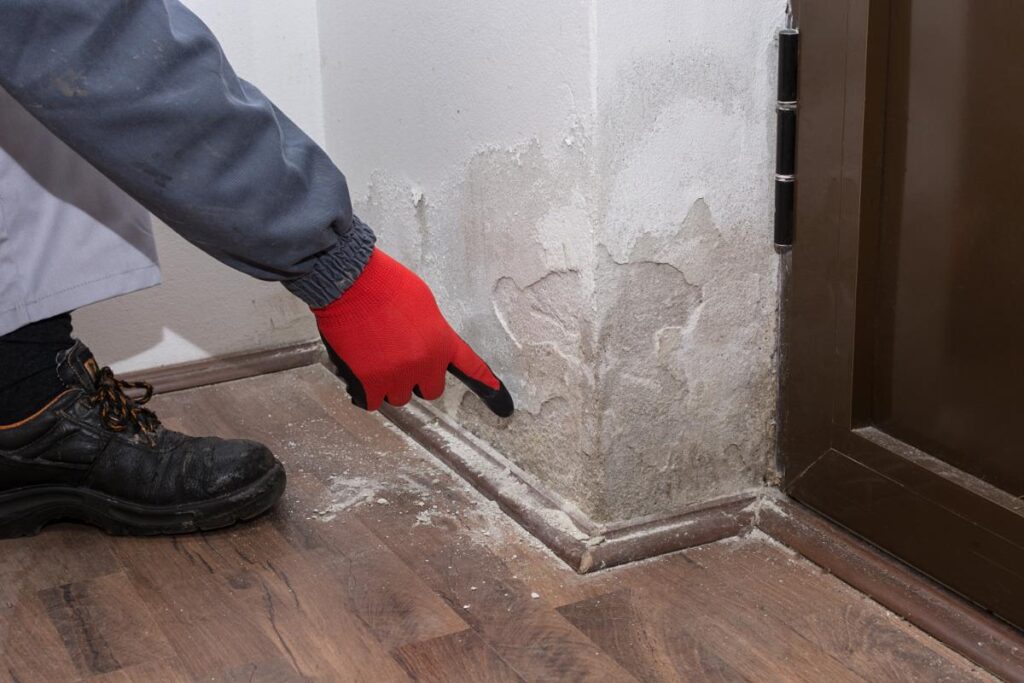
It’s interesting how a simple plumbing issue can escalate into an emergency water extraction situation at home. When water starts to pool, knowing how to react quickly is essential. You need to assess the situation carefully and take immediate action to mitigate damage. Understanding the steps involved can make a significant difference in protecting your property and health. Let’s explore what you should do first to address this pressing situation effectively.
Key Takeaways
- Identify the source of water and assess damage to prioritize safety and determine if professional help is needed.
- Turn off electricity and gas to prevent hazards while managing water extraction.
- Use a wet/dry vacuum and buckets for immediate water removal; protect yourself with gloves and a flashlight.
- Implement dehumidifiers and fans to promote rapid drying and prevent mold growth in affected areas.
- Document all damage and repairs for insurance claims, taking photos and maintaining detailed records of communications.
Assessing the Situation
When you discover water pooling in your home, it’s vital to assess the situation quickly to minimize damage.
Start by identifying the source of the water. Is it a burst pipe, a leaking appliance, or flooding from outside? Pinpointing the source is fundamental for effective emergency response.
Next, evaluate the extent of the water damage. Check how far the water has spread and which areas are affected, including walls, floors, and belongings.
If the water is contaminated, be cautious. Avoid contact and prioritize safety. Document the damage with photographs for insurance purposes, as this can help expedite claims.
Once you’ve assessed the situation, you can determine if you need professional assistance or if you can manage the cleanup yourself.
Quick action reduces water damage and helps restore your home and peace of mind faster.
Turning Off Utilities
After identifying the source of the water intrusion, it’s crucial to turn off utilities to prevent further hazards. Start by turning off the electricity at the main breaker to eliminate the risk of electrical shock. Verify you know the location of the breaker panel beforehand to act quickly.
Next, shut off the gas at the main valve, usually found near your gas meter. This step prevents potential leaks and explosions, especially if water has compromised gas lines.
If you’re unsure how to safely turn off these utilities, consult your utility provider’s guidelines or reach out to knowledgeable neighbors for assistance. Always prioritize your safety and the safety of those around you.
Once utilities are secured, you can focus on addressing the water intrusion without the added risks of electricity or gas. Remember, acting swiftly and correctly can prevent further damage to your home and keep everyone safe.
Contacting Professional Services
Once you’ve secured your utilities, it’s time to contact professional services for water extraction.
Start by reaching out to your emergency contacts—local water damage restoration companies or your insurance provider. They can provide guidance on the next steps and recommend reliable services in your area.
When you call, inquire about their service availability; many companies offer 24/7 emergency response, ensuring swift action to minimize damage.
Be ready to provide details about the situation, including the extent of flooding and any safety hazards. This information helps them assess the urgency and allocate the right resources.
If you’re unsure which service to choose, consider asking friends or family for recommendations. A trusted local provider can make a significant difference in your recovery process.
Gathering Essential Equipment
Gathering the right equipment is essential for effective water extraction at home. Start by collecting key water extraction tools, like a wet/dry vacuum, which can efficiently remove water from various surfaces.
You’ll also need sturdy buckets to manually scoop out excess water, especially in areas the vacuum can’t reach.
Additionally, invest in essential gear like thick rubber gloves to protect your hands from contaminants, and a reliable flashlight to navigate dark, flooded spaces safely.
Don’t forget towels or rags for quick clean-ups and to soak up residual moisture.
If your home has carpets, consider acquiring a carpet extractor to aid in deep cleaning.
Finally, a dehumidifier will help remove lingering humidity and prevent mold growth after extraction.
With the right tools at your disposal, you’ll be more prepared to tackle any water emergency effectively.
Removing Standing Water
Before you start removing standing water, verify your safety by checking for electrical hazards and wearing appropriate protective gear.
Once you’re safe, use effective techniques like pumps or wet/dry vacuums to extract the water efficiently.
The sooner you act, the less damage your home will sustain.
Safety First Steps
As you prepare to tackle emergency water extraction, it is crucial to prioritize safety while removing standing water. Start by gathering your emergency kit, ensuring it includes essential safety gear, such as gloves and boots. Follow established safety protocols to protect yourself from hazards like electrical shock or contamination.
| Safety Protocols | Emergency Kit Items |
|---|---|
| Turn off electricity | Rubber gloves |
| Avoid contaminated water | Waterproof boots |
| Wear a mask | Flashlight |
| Keep children and pets away | First aid supplies |
Effective Water Removal Techniques
Once you’ve ensured your safety, it’s time to implement effective water removal techniques to address standing water.
Start by using a wet/dry vacuum for immediate water extraction, ensuring you cover all affected areas. For larger volumes, consider submersible pumps, which are ideal for deeper water.
Employ drainage techniques, such as creating channels or using sandbags, to redirect water away from your home. If possible, open windows and doors to enhance airflow, promoting faster evaporation.
Don’t forget to monitor humidity levels, as excess moisture can lead to mold growth. By acting swiftly and efficiently, you can minimize damage and restore your home to a safe environment.
Drying and Dehumidifying
After removing standing water, rapid drying is essential to prevent further damage and mold growth.
You’ll need to choose the right dehumidification equipment to effectively lower moisture levels in your home.
Monitor humidity levels closely to ensure a thorough and efficient drying process.
Importance of Rapid Drying
Rapid drying is essential in mitigating water damage and preventing mold growth after an emergency water extraction.
It’s critical to act quickly and implement effective drying techniques to ensure your home remains safe and healthy.
Here’s why rapid moisture control is important:
Prevents mold development: Mold can start growing within 24-48 hours in damp environments.
Reduces structural damage: Quick drying minimizes the risk of warping or weakening materials.
Improves air quality: Fast moisture removal helps maintain a healthier indoor environment.
Choosing Dehumidification Equipment
When dealing with excess moisture after a water emergency, selecting the right dehumidification equipment is essential for effective drying.
Start with dehumidifier selection based on your home’s size and the extent of the water damage. Look for units with a high pints-per-day capacity for ideal moisture removal techniques.
Consider portable dehumidifiers for smaller areas or whole-house systems for larger spaces. Additionally, pay attention to features like built-in hygrometers and automatic shut-off to enhance efficiency.
It’s important to ensure proper airflow by placing the dehumidifier strategically.
Using the right equipment speeds up the drying process and helps prevent mold growth, giving you peace of mind and a safe home environment after the incident.
Monitoring Humidity Levels
How can you ensure your home’s humidity levels are perfect during the drying process? Effective humidity monitoring is essential for successful moisture control.
Here are three key steps to take into account:
Use a hygrometer: This device measures humidity levels, helping you track changes.
Set dehumidifiers properly: Adjust settings based on your hygrometer readings to maintain ideal levels.
Ventilate your space: Open windows and use fans to promote airflow and reduce humidity.
Cleaning and Sanitizing Affected Areas
Although water extraction is essential, cleaning and sanitizing the affected areas is equally important to prevent mold growth and ensure a safe environment.
Start by using appropriate cleaning products designed for water damage. These should effectively remove dirt and contaminants. Focus on surfaces like floors, walls, and furniture.
Next, apply sanitizing methods to eliminate bacteria and viruses. You can use a solution of water and bleach, making sure you follow the manufacturer’s guidelines for safe mixing. For non-porous surfaces, consider using commercially available sanitizers as well.
Don’t forget to ventilate the area during the process to aid drying and reduce humidity.
Wear protective gear, like gloves and masks, to secure your safety while handling cleaning agents.
After cleaning, monitor the area closely for any signs of mold, as early detection is key to maintaining a healthy home environment.
Inspecting for Structural Damage
After completing the cleaning and sanitizing process, it’s vital to inspect for structural damage to confirm your home remains safe and sound. A thorough evaluation helps maintain your home’s structural integrity, ensuring it can withstand future challenges.
Here are key areas to focus on during your inspection:
- Check for warping in floors and walls.
- Look for signs of mold or mildew growth.
- Assess the condition of beams and supports.
Conducting a moisture assessment is essential. Use a moisture meter to pinpoint areas that may still retain water, which can compromise the structural integrity of your home.
Pay attention to hidden spaces like basements and crawl spaces, where moisture can linger unnoticed. If you detect significant damage, don’t hesitate to consult a professional. This proactive approach confirms that your home remains a safe haven for you and your loved ones.
Preventing Future Water Issues
To prevent future water issues, you need to establish a regular maintenance schedule for your home.
Inspecting plumbing systems regularly helps you catch leaks before they escalate.
Additionally, consider installing drainage solutions to manage excess water effectively.
Regular Maintenance Schedule
Establishing a regular maintenance schedule is essential for preventing future water issues in your home.
A proactive approach to water management can save you time, money, and stress. By committing to routine inspections, you can identify potential problems before they escalate.
Here are key components to include in your schedule:
- Regular gutter and downspout cleaning to prevent clogs.
- Checking seals around windows and doors to avoid leaks.
- Testing your sump pump to ensure it’s functioning properly.
Inspect Plumbing Systems
Routine maintenance includes checking gutters and seals and involves inspecting your plumbing systems.
Regular plumbing inspections are essential to identify potential issues before they escalate into costly repairs. Start by checking for any visible leaks around pipes, faucets, and fixtures.
Utilize leak detection techniques, such as monitoring your water meter and looking for damp spots on walls or ceilings. Don’t forget to inspect your water heater and sump pump, ensuring they’re functioning properly.
If you notice any irregularities, call a professional for a detailed assessment. By prioritizing plumbing inspections, you enhance your home’s integrity and foster a sense of security for you and your family, preventing future water issues effectively.
Install Drainage Solutions
When water begins to accumulate around your home, effective drainage solutions are essential to prevent future flooding and water damage.
By investing in proper drainage installation, you can safeguard your property and maintain a comfortable living environment. Here are some effective solutions to evaluate:
- French Drains: Channel water away from your foundation.
- Sump Pumps: Actively remove excess water from basements.
- Rain Gutters: Direct rainwater away from your home’s perimeter.
Implementing these systems mitigates water-related issues and enhances your property’s value.
By addressing drainage concerns proactively, you create a secure haven for you and your loved ones, ensuring peace of mind and long-term stability.
Don’t wait for water problems to arise; take action now!
Documenting for Insurance Claims
Effective documentation is essential for managing insurance claims after a water emergency. Start by taking clear photographs of the affected areas, showing the extent of the damage. Make certain to capture any personal belongings that were ruined, as these will be critical for your insurance documentation.
Next, create a detailed inventory list of damaged items, including their value and purchase date. This will streamline the claim process and support your case.
Don’t forget to keep records of all repairs and communications with your insurance company. Documenting conversations, emails, and any forms submitted can help clarify your claims and ensure nothing is overlooked.
If you engage professionals for water extraction, request invoices and reports, as these will bolster your claim. A well-organized documentation process expedites your claim and provides peace of mind during a stressful time.
Frequently Asked Questions
What Are the Health Risks Associated With Standing Water?
Standing water poses significant health hazards, including the breeding of mosquitoes, which can transmit diseases. It also encourages mold growth, leading to respiratory issues. You must address standing water promptly to mitigate these health risks effectively.
Can I Use a Regular Vacuum for Water Extraction?
Using a regular vacuum for water extraction is like trying to catch a hurricane with a butterfly net. You need specialized water vacuum types that employ effective extraction techniques to handle the job safely and efficiently.
How Do I Know if My Insurance Covers Water Damage?
To determine if your insurance covers water damage, review your insurance policy for specific coverage limits. Look for clauses regarding water damage and consult your agent to clarify details and ensure you’re adequately protected.
Should I Attempt DIY Extraction Before Calling Professionals?
You should weigh DIY extraction risks against professional intervention benefits. While you might save money, improper techniques can worsen damage. Professionals ensure thorough, safe removal and prevent further complications, providing peace of mind in stressful situations.
What Items Should I Remove Before Water Extraction Begins?
Before water extraction begins, prioritize furniture removal to prevent damage. Ensure electronics safety by unplugging devices and relocating them to a dry, well-ventilated area. This protects your belongings and facilitates a smoother extraction process.
Review
In the aftermath of water intrusion, maneuvering through the chaos is essential. By swiftly evaluating the situation and taking decisive action, you can transform a potential disaster into a manageable challenge. Remember, your home is your sanctuary—protect it by documenting the damage and seeking professional help when needed. With vigilance and the right approach, you can restore your space and fortify it against future water issues. Stay proactive, and your home will rise resilient from the depths of adversity.