
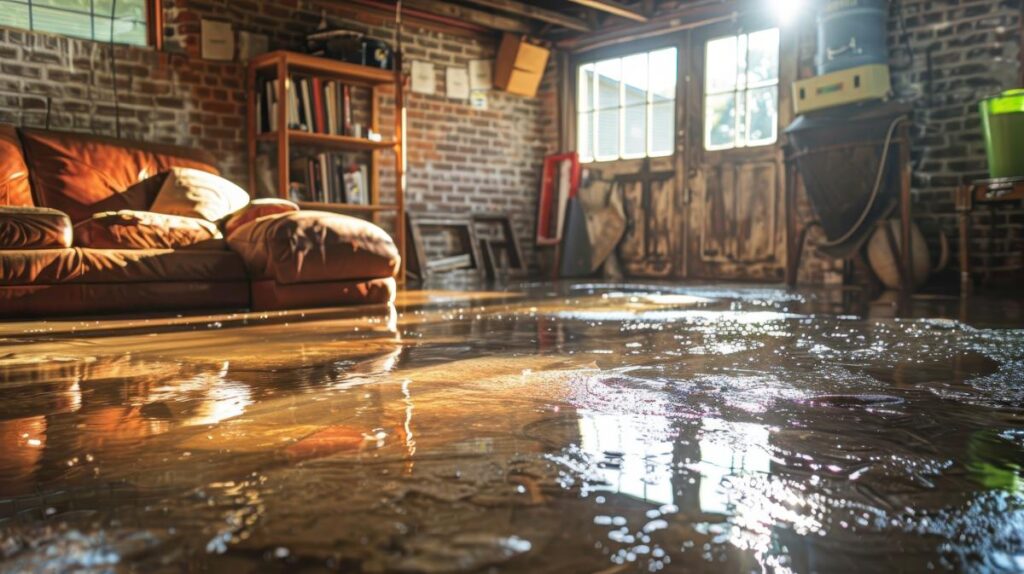
When facing basement flooding, understanding the underlying causes is vital for effective restoration. You need to act quickly to ensure that safety measures are in place before starting the restoration process. Employing the right water extraction methods and thorough drying techniques can greatly reduce damage. But it’s not just about immediate response; long-term solutions are essential to prevent future issues. What steps should you consider next to make certain your basement remains secure from future floods?
Key Takeaways
- Begin by ensuring safety: turn off electricity, wear PPE, and assess hazards before starting restoration.
- Use sump pumps and water vacuums to effectively extract standing water and prevent mold growth.
- Optimize drying with fans, dehumidifiers, and ventilation systems to enhance air circulation and reduce moisture.
- Inspect materials and structural components for damage, documenting findings to guide the restoration process.
- Implement long-term solutions like waterproofing, proper landscaping, and regular maintenance to mitigate future flooding risks.
Understanding the Causes of Basement Flooding
When you consider the factors contributing to basement flooding, it becomes clear that various environmental and structural elements play an essential role. Common flood causes include heavy rainfall, snowmelt, and poor drainage systems. Water can accumulate around your foundation, leading to seepage through cracks or porous materials.
Additionally, improper grading or landscaping can direct water toward your home, exacerbating the issue.
To combat these challenges, you should implement effective prevention methods. Start by ensuring your gutters and downspouts are clear and functioning properly, directing water away from your foundation.
Installing a sump pump can also help manage excess water. In addition, consider sealing basement walls and floors with waterproof coatings to create a barrier against moisture.
Regular inspections and maintenance will empower you to identify risks early, fostering a proactive approach to avoiding costly damage and creating a safer living environment for you and your family.
Initial Steps to Take After a Basement Flood
After experiencing a basement flood, immediate action is essential to mitigate damage and ensure safety. Following these initial steps will help you address the situation effectively:
- Turn Off Power: Confirm your safety by shutting off electricity to the affected area.
Use a flashlight instead of candles to avoid fire hazards.
Assess Damage: Carefully evaluate the extent of the flooding and document it with photos for your flood insurance claim.
Contact Your Insurance Provider: Notify your flood insurance company promptly to discuss your homeowner responsibilities and initiate the claims process.
Remove Water: Use a pump or wet-dry vacuum to extract standing water, preventing further damage and mold growth.
Essential Safety Precautions During Flood Restoration
Before you begin restoration, prioritize your safety by using appropriate personal protective equipment (PPE) like gloves and respirators.
You also need to assess electrical hazards, ensuring power is turned off to prevent shock or electrocution.
Taking these precautions will help create a safer environment as you work through the restoration process.
Personal Protective Equipment
As you commence on the challenging task of flood restoration, prioritizing personal protective equipment (PPE) is essential for ensuring your safety and health.
Following PPE guidelines protects you and fosters a sense of belonging within your restoration team.
Equip yourself with the following protective gear:
- Waterproof gloves: To shield your hands from contaminants and sharp objects.
- Rubber boots: High, durable boots keep your feet dry and protect against electrical hazards.
- N95 respirator: This mask filters out mold spores and harmful particles, safeguarding your lungs.
- Safety goggles: Protect your eyes from debris and chemicals that may cause irritation.
Electrical Safety Measures
When tackling flood restoration, it’s vital to recognize the potential electrical hazards that can arise. Before you start, make sure you turn off the circuit breaker at the main panel to eliminate any risk of electric shock.
Once you’ve done this, assess the condition of your electrical grounding system; it’s important that everything remains intact to prevent further issues. If water has damaged outlets or wiring, avoid direct contact and consult a professional.
Use a multimeter to check for any live currents if you’re experienced, but prioritize safety. Remember, it’s better to be cautious.
Following these steps protects you and ensures a thorough and safe restoration process for your basement.
Effective Water Extraction Methods
Although basement flooding can be overwhelming, implementing effective water extraction methods is essential for minimizing damage and preventing mold growth.
You’ll want to act quickly and use the right tools for the job. Here’s a systematic approach to water extraction:
Sump Pumps: Install and activate these to remove large volumes of water quickly, especially if your basement is deeply flooded.
Water Vacuums: Utilize these for smaller amounts of water. They’re great for soaking up residual moisture after the bulk is removed.
Extraction Wands: Employ these with your water vacuum to reach tight spaces and corners where water tends to accumulate.
Portable Pumps: Use these for areas that are hard to access or where you need extra power to pull water out efficiently.
Assessing and Documenting Damage
Once you’ve effectively extracted water from your basement, the next step is to assess and document the damage. A detailed damage assessment helps you understand the extent of the problem and guides your restoration process.
Use these documentation techniques to ensure you capture every detail:
| Damage Type | Severity Level | Notes |
|---|---|---|
| Walls | Moderate | Water stains visible |
| Flooring | Severe | Bubbling and warping |
| Electrical Systems | Critical | Exposed wires present |
| Furniture | Moderate | Wood swelling and mold |
Take photographs and write detailed descriptions of each affected area. This documentation helps you track progress and supports any insurance claims. By being methodical in your approach, you’ll ensure a thorough understanding of the damage, setting the stage for effective restoration.
Drying Techniques for Flooded Basements
When restoring a flooded basement, effective drying techniques are essential to prevent mold growth and structural damage.
You should focus on optimizing air circulation by using fans and opening windows, while also implementing dehumidification strategies to remove excess moisture.
Combining these methods will enhance the drying process and safeguard your space.
Air Circulation Methods
To effectively dry a flooded basement, employing proper air circulation methods is essential, as stagnant air can prolong moisture retention and foster mold growth.
Here are some techniques you can use:
Open windows to promote cross-ventilation; fresh air helps disperse humidity.
Utilize ventilation systems like exhaust fans to actively remove damp air and circulate drier air.
Position air purifiers strategically to filter airborne particles and enhance air quality while reducing moisture levels.
Employ high-velocity fans to create airflow, effectively evaporating water off surfaces and accelerating the drying process.
Dehumidification Strategies
While effective air circulation is essential, implementing dehumidification strategies is equally important for restoring a flooded basement.
Start by selecting the right dehumidifier types for your specific situation—refrigerant dehumidifiers are effective in warm conditions, while desiccant models excel in cooler environments.
Position your dehumidifier centrally to maximize moisture control, ensuring it can draw in damp air from all corners. Monitor humidity levels regularly with a hygrometer, aiming to keep them below 60%.
For larger spaces, consider using multiple units. Additionally, keep windows and doors closed to prevent outside humidity from re-entering.
Mold Prevention and Remediation Strategies
Mold thrives in damp, poorly ventilated spaces, making basement flood restoration a critical area for mold prevention and remediation.
To keep your basement free from mold spores and promote effective humidity control, follow these strategies:
Inspect regularly for water leaks or dampness; early detection is key.
Ventilate your basement by installing exhaust fans or opening windows when possible, reducing stagnant air.
Dehumidify the space using a quality dehumidifier, maintaining indoor humidity levels below 60%.
Clean surfaces with a mold-inhibiting solution to eliminate any existing spores and prevent future growth.
Repairing and Restoring Damaged Materials
To effectively restore your basement after a flood, you need to start by evaluating the extent of the damage.
Once you’ve identified the affected areas, choose the appropriate restoration techniques to address different materials.
If some materials are beyond repair, replacing them effectively will ensure your basement returns to a safe and usable condition.
Assessing Damage Extent
Before you can effectively repair and restore damaged materials in your basement, it’s crucial to assess the extent of the damage thoroughly.
A proper damage assessment and impact evaluation will guide your restoration process. Follow these steps:
Visual Inspection: Look for visible signs of water damage, such as discoloration or mold growth.
Material Testing: Check the integrity of flooring, drywall, and insulation for softness or peeling.
Moisture Measurement: Use a moisture meter to identify hidden damp areas that need attention.
Structural Evaluation: Inspect beams and supports to verify they haven’t been compromised.
Choosing Restoration Techniques
As you navigate the restoration process, selecting the right techniques for repairing and restoring damaged materials is essential for ensuring long-term effectiveness. Use these restoration techniques as part of your emergency response plan:
| Material Type | Restoration Technique |
|---|---|
| Drywall | Remove soaked sections, replace, and seal with waterproof paint. |
| Wooden Structures | Dry thoroughly, treat with anti-fungal solutions, and sand for refinishing. |
| Carpeting | Extract water, clean with specialized solutions, and apply deodorizers. |
| Insulation | Replace if saturated; consider moisture-resistant options. |
| Electrical Systems | Consult a professional to assess and repair wiring safely. |
Replacing Materials Effectively
While you assess the damage in your basement, understanding when and how to replace materials is essential for effective restoration.
Follow these steps for a successful replacement process:
Evaluate the Damage: Identify which materials are beyond repair and need replacement.
Choose Quality Materials: Focus on material selection that suits your basement’s environment, such as moisture-resistant options.
Employ Proper Installation Techniques: Make certain you follow manufacturer guidelines for installation to ensure durability.
Seal and Finish: Use sealants to protect against future moisture issues, completing the restoration with attention to detail.
Implementing Long-Term Water Mitigation Solutions
To effectively prevent future basement flooding, you need to implement long-term water mitigation solutions that address the root causes of water intrusion.
Start by evaluating your property’s drainage solutions. Confirm gutters and downspouts direct water away from the foundation. You might consider installing underground drainage systems to enhance water flow away from your basement.
Next, examine your sump pump system. Make sure it’s appropriately sized for your basement and functioning correctly. Regular maintenance, including testing the pump and replacing the battery backup, is essential. Additionally, install a sump pump alarm to alert you to any issues.
Consider waterproofing your basement walls and floor with sealants or membranes. This creates a barrier against moisture infiltration.
Finally, landscaping can play an important role; sloping the terrain away from your home can notably reduce water pooling near the foundation.
When to Seek Professional Help for Restoration
Determining when to seek professional help for basement flood restoration can greatly impact the effectiveness of your recovery efforts.
If you’re facing any of the following situations, consider scheduling a professional evaluation:
Severe Water Damage: If water levels exceed a few inches, it’s essential to involve experts who can assess structural integrity.
Mold Growth: If you notice mold or mildew, it can pose health risks that require specialized removal techniques.
Electrical Hazards: If water has come into contact with electrical systems, professionals can safely manage potential dangers.
Extended Restoration Timeline: If your DIY efforts stretch beyond a few days, professionals can expedite the process and ensure thorough restoration.
Frequently Asked Questions
How Can I Prevent Future Basement Flooding Occurrences?
To prevent future basement flooding, ensure proper water diversion away from your foundation. Install a reliable sump pump to manage excess water, and regularly check both systems for peak performance and maintenance. You’ll keep your basement dry.
What Insurance Coverage Is Available for Basement Flood Damage?
When disaster strikes, you’ll want to know your options. Flood insurance can cover significant damages, but be mindful of coverage limits. Thoroughly review your policy to ensure you’re protected against future flooding mishaps.
Are There Specific Tools Needed for Flood Restoration?
For effective flood restoration, you’ll need specific tools like water extraction pumps and drying equipment. These are essential for removing moisture and preventing mold, ensuring your space returns to a safe, livable condition quickly.
How Long Does the Entire Restoration Process Typically Take?
Restoration timelines can feel like an eternity, but typically you’ll finish in three to five days. Employing effective drying techniques expedites the process, ensuring your space returns to normal faster than you might expect.
Can I Live in My Home During the Restoration Process?
You can live in your home during the restoration, but make certain you follow safety precautions. Consider making temporary arrangements for personal space and comfort, as some areas may be hazardous or under construction during the process.
Wrap-Up
By mastering basement flood restoration techniques, you’ll transform a chaotic disaster into a controlled recovery process. While the initial shock of water damage can feel overwhelming, your systematic approach will ensure safety and efficiency. Balancing immediate actions like water extraction with long-term solutions like waterproofing creates a resilient foundation against future floods. Embracing this dual focus restores your basement and fortifies your home, turning vulnerability into strength. Your proactive measures will safeguard your space for years to come.