
When faced with residential flood damage, your immediate response can greatly impact the outcome. You’ll need to quickly assess the extent of the water intrusion and identify any safety hazards. With advanced extraction techniques at your disposal, you can prevent further damage and mold growth. But that’s just the beginning. Understanding the next critical steps can make all the difference in restoring your home effectively and safely.
Key Takeaways
- Quickly assess visible damage and prioritize safety by evacuating if necessary before starting restoration efforts.
- Begin immediate water extraction using submersible pumps and industrial vacuums to minimize further damage and mold growth.
- Utilize air movers and dehumidifiers to effectively dry out affected areas and maintain balanced humidity levels.
- Inspect and repair structural damage, replacing any compromised beams and installing moisture barriers to prevent future issues.
- Implement preventative measures such as installing flood barriers and upgrading drainage systems to mitigate the risks of future flooding.
Assessing the Damage and Initial Response
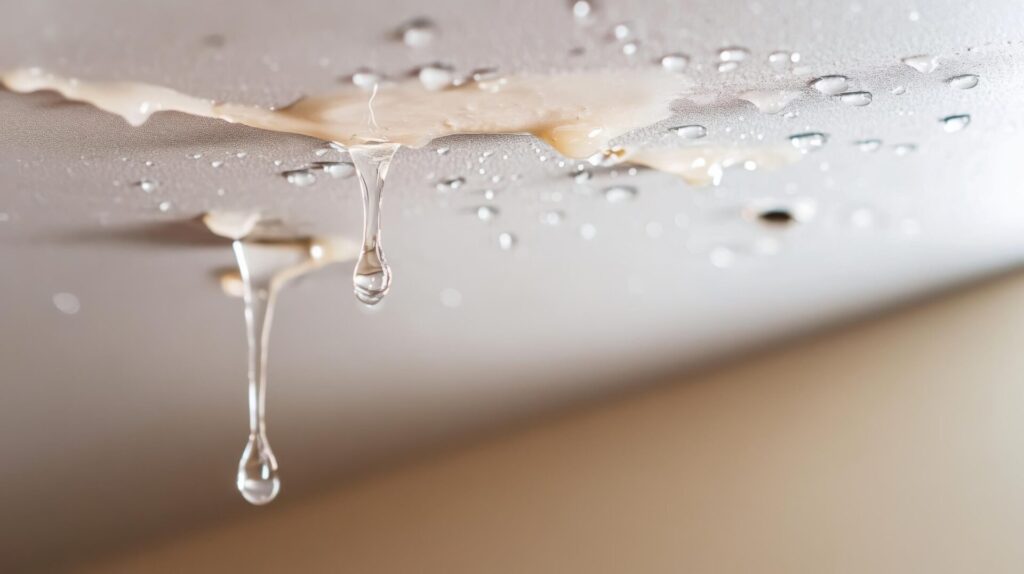
When you first step into a home affected by flooding, it’s essential to evaluate the damage quickly and thoroughly. Start your damage evaluation by looking for visible signs like water stains, warped flooring, or mold growth.
Check the walls, ceilings, and electrical systems carefully, as these can pose serious risks if compromised. Record your findings to guide your emergency response effectively.
It’s vital to prioritize safety; if you spot any structural damage or electrical hazards, evacuate immediately and contact professionals.
While evaluating, consider the emotional toll on the occupants. They need reassurance that help is on the way.
Document everything for insurance purposes, noting the extent of the damage and any personal items affected. This aids in recovery and fosters a sense of community support.
Water Extraction Techniques for Quick Relief
As soon as you’ve assessed the damage, it’s essential to begin water extraction to minimize further destruction and mold growth.
Using advanced equipment like submersible pumps and industrial vacuums, you can efficiently remove standing water. These tools are designed for rapid response in emergencies, ensuring you tackle the situation head-on.
Start by clearing the area of any debris or furniture to create a safe working space.
Once you’ve set up your equipment, monitor the extraction process closely. The goal is to get as much water out as possible, especially in hidden areas like crawl spaces or behind walls.
Drying and Dehumidification Processes
After completing the water extraction, the next step is drying and dehumidification, which are crucial to preventing mold growth and further structural damage.
You’ll want to employ effective drying techniques, like air movers and heaters, to circulate air and accelerate evaporation. These methods help ensure that moisture is thoroughly removed from floors, walls, and furniture.
Simultaneously, using dehumidification equipment can greatly reduce humidity levels in your home. Portable dehumidifiers work efficiently to extract moisture from the air, creating a safer environment.
It’s important to monitor humidity levels throughout this process, as maintaining a balance is key to preventing future issues.
You’re not alone during this challenging time; restoring your home is a shared journey. By prioritizing drying and dehumidification, you’re taking crucial steps to reclaim your space and protect your loved ones from potential health risks.
Repairing Structural Damage and Mold Prevention
While drying and dehumidification are essential first steps, addressing structural damage and preventing mold growth are equally important to restoring your home.
Begin by inspecting your foundation for any signs of weakness or cracks. Foundation reinforcement is vital; it ensures your home remains stable and secure after exposure to water.
Next, check for any damaged beams or joists, replacing them as needed to maintain structural integrity.
Mold thrives in damp environments, so installing moisture barriers is critical. These barriers prevent water from seeping into walls and floors, considerably reducing mold risk.
Additionally, consider applying mold-resistant paints and materials during repairs.
Always remember, you’re not alone in this process. Many homeowners have faced similar challenges and can empathize with your situation.
Preventative Measures for Future Flooding
To effectively safeguard your home against future flooding, it’s crucial to assess and enhance your property’s defenses proactively.
Taking preventive measures protects your investment and provides peace of mind for you and your family.
Here are three key strategies:
Install Flood Barriers: These can effectively block water from entering your home during storms. Consider both permanent and removable options based on your needs.
Upgrade Drainage Systems: Verify your gutters and downspouts direct water away from your foundation.
Installing a sump pump can also mitigate water accumulation in your basement.
- Landscape Smartly: Elevate the soil around your home and create swales to divert water flow.
Planting native vegetation can also absorb excess rainwater.
Recap
Acting quickly during a flood crisis is crucial to minimize damage and ensure safety. Flood-damaged homes often experience mold growth within 24 to 48 hours. By employing effective water extraction and drying techniques, you can greatly reduce this risk. Prioritizing structural repairs and implementing preventative measures restores your home and fortifies it against future flooding. Remember, a proactive approach is your best defense in safeguarding your home.