
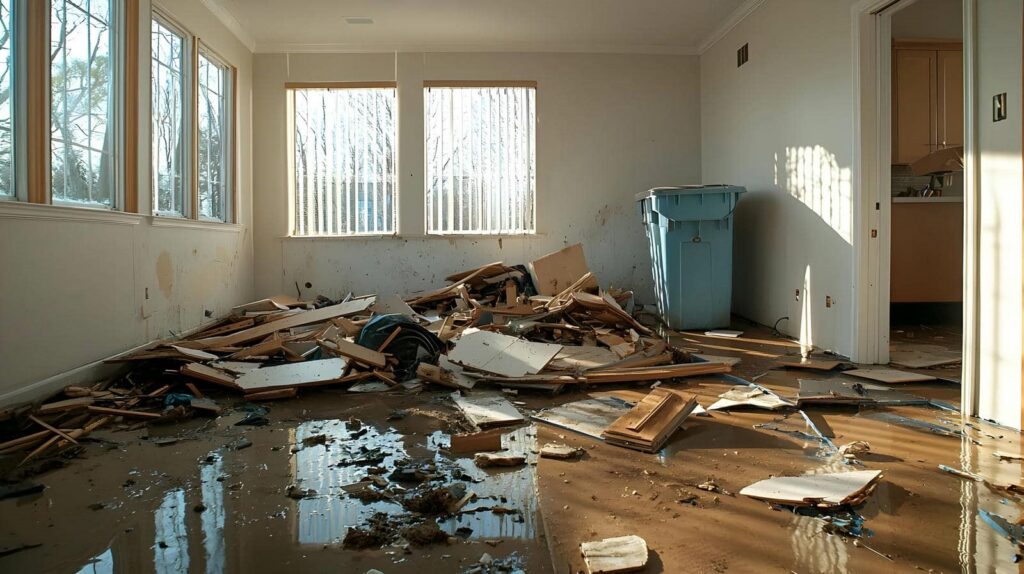
It might feel like your entire world has been turned upside down after a flood. In moments like these, it’s essential to take immediate action to restore your space and life. You need to assess the damage, prioritize safety, and engage professionals who understand the complexities of restoration. Each step is important for a successful recovery, but knowing where to start can be overwhelming. Let’s explore how to navigate this process effectively.
Key Takeaways
- Engage professional restoration services for expert assessment and specialized techniques to treat flood damage effectively.
- Prioritize safety by wearing protective gear and ensuring proper ventilation in affected areas before starting restoration.
- Document all damages thoroughly with photos and lists to support insurance claims and track recovery progress.
- Implement drying and dehumidification processes immediately to prevent mold growth and further deterioration of materials.
- Communicate regularly with restoration professionals to receive informed advice and updates on the restoration process.
Assessing the Damage Thoroughly
How can you ensure a thorough evaluation of your property after a flood? Start by documenting everything. Take photos of all affected areas, noting the extent of damage to walls, floors, and personal items. This damage evaluation is essential for your records and will support your insurance claims.
Engage professionals who specialize in flood assessments; their expertise assures you don’t miss hidden damage that could worsen over time.
Make a detailed list of damaged items, including their estimated value, as this will streamline your claims process. Remember, your goal is to restore your home, and thorough documentation is your ally.
Prioritizing Safety and Health
After evaluating the damage, your next priority should be ensuring the safety and health of your home.
Start by wearing personal protective equipment like gloves, masks, and boots to guard against contaminants. Mold and bacteria can flourish in damp conditions, so taking health precautions is vital. Confirm proper ventilation by opening windows and using fans to circulate air, which helps reduce moisture levels.
Next, assess any electrical hazards. Turn off the power to affected areas before entering to avoid shocks. Be cautious of structural damage—if you notice sagging ceilings or unstable walls, avoid those areas until they’re deemed safe.
Lastly, keep children and pets away from flooded areas. Their health and safety matter, and it’s best to avoid unnecessary risks.
Engaging Professional Restoration Services
When dealing with the aftermath of a flood, engaging professional restoration services can be essential in efficiently restoring your home. These experts bring specialized restoration techniques that ensure thorough and effective recovery.
They assess damage, remove contaminated materials, and implement drying and dehumidification processes, which are critical to preventing mold growth.
By relying on their expert advice, you can make informed decisions about which restoration steps to take. Professionals understand the unique challenges floods present and can tailor their approach to your specific situation, helping you feel supported throughout the process.
Moreover, working with a team of professionals fosters a sense of belonging, as they guide you through each step, alleviating the burden of restoration. You’re not alone in this; they’re there to help you reclaim your space and peace of mind.
Trusting their expertise ensures a safer, more efficient restoration process for your home.
Frequently Asked Questions
How Long Does the Post-Flood Restoration Process Typically Take?
The post-flood restoration process typically takes several weeks to months, depending on the extent of damage. You’ll navigate through recovery stages, ensuring every aspect of your home’s restoration follows a clear restoration timeline for ideal results.
Will My Insurance Cover Flood Restoration Costs?
Your insurance might cover flood restoration costs, but it depends on your specific insurance policies and coverage limits. You’ll want to review your policy carefully, ensuring you’re fully informed and prepared for the process ahead.
What Items Can Be Salvaged After a Flood?
After a flood, you can often salvage items like furniture, appliances, and some electronics if they’re properly dried and cleaned. Prioritize evaluating flood damage carefully to determine which salvageable items are worth restoring.
How Can I Prevent Mold Growth After a Flood?
To prevent mold growth after a flood, implement mold prevention techniques like using dehumidifiers and enhancing air circulation methods. For instance, Sarah’s home thrived with open windows and fans, keeping her space fresh and safe.
What Should I Do With Contaminated Water?
You should avoid contaminated water immediately. Assess water safety by testing it, and consider using protective gear. If contamination risks are high, contact professionals for safe removal and restoration to ensure your safety and health.
Final Thoughts
Tackling post-flood restoration effectively requires a strategic approach. While you might feel tempted to handle everything on your own, remember that professionals bring specialized skills and equipment that ensure safety and thoroughness, reducing long-term risks like mold. By engaging experts, documenting damage, and prioritizing health, you expedite the recovery process and protect your home and loved ones. Don’t underestimate the value of experienced help—it’s an investment in your peace of mind.