
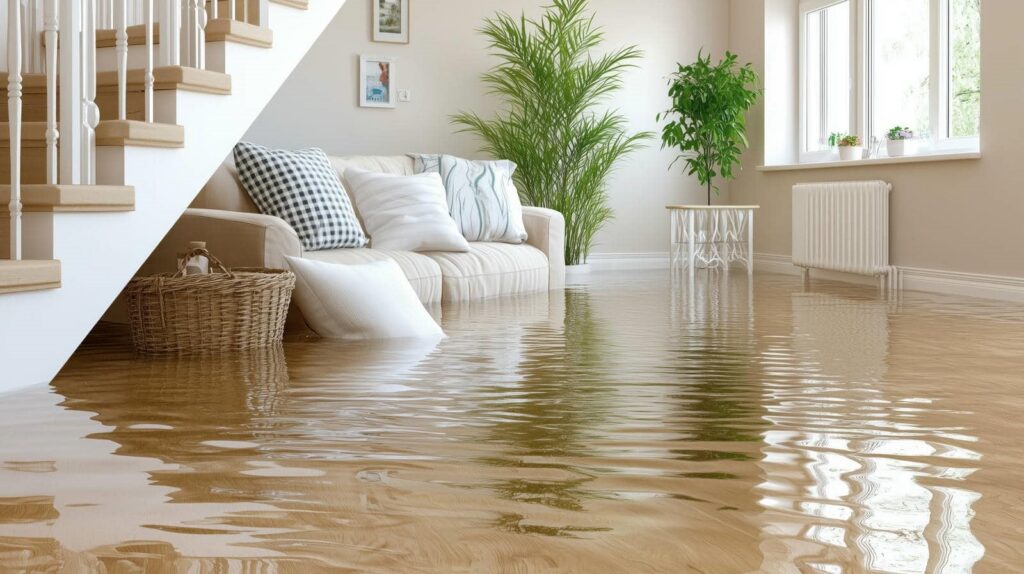
Many homeowners underestimate the complexities involved in water damage cleanup and the insurance claims process. You might not realize that immediate action can greatly reduce long-term damage and costs. From emergency water extraction to mold prevention, each step requires specialized knowledge and equipment. Understanding these services can make a world of difference in your recovery experience. So, what exactly should you expect from these critical services when disaster strikes?
Key Takeaways
- Emergency water extraction services provide immediate assistance to minimize damage and protect homes from mold growth.
- A comprehensive water damage assessment identifies the source and severity of damage, ensuring effective repair prioritization.
- Professional water damage restoration employs advanced techniques and equipment to restore properties to their pre-damage condition efficiently.
- Mold remediation and prevention services address moisture sources quickly to mitigate mold growth and ensure long-term safety.
- Insurance claims assistance helps homeowners navigate coverage details and documentation for a smoother claims process.
Emergency Water Extraction Services
When water damage strikes, you often need immediate assistance to prevent further destruction. That’s where emergency water extraction services come in.
Trained professionals follow established emergency protocols to swiftly assess the situation and act decisively. They use advanced extraction equipment, like powerful pumps and industrial vacuums, ensuring that excess water is removed quickly and efficiently.
You can feel reassured knowing that experts are there to minimize damage and protect your home. Their swift action helps prevent mold growth and preserves your belongings and structural integrity.
They’ll communicate with you throughout the process, emphasizing transparency and understanding, so you’re never left in the dark during this stressful time.
Comprehensive Water Damage Assessment
As water damage can escalate quickly, a thorough evaluation is vital to understanding the full extent of the problem. You need to start with water source identification, pinpointing where the moisture is coming from—be it a leaky roof, burst pipes, or flooding. This significant step helps prevent further damage and ensures the right solutions are implemented.
Next, conduct a damage severity analysis. This involves examining affected areas, checking for structural integrity, and determining potential mold growth.
Understanding the severity of the damage allows you to prioritize repairs and address the most pressing issues first.
Professional Water Damage Restoration
While you may feel overwhelmed by the aftermath of water damage, professional restoration services can efficiently restore your property to its pre-damage condition.
Understanding the various water damage causes—like flooding, leaks, or burst pipes—helps specialists assess the situation accurately. They employ advanced restoration techniques, including water extraction, drying, and dehumidification, ensuring no moisture lingers to cause further issues.
Restoration experts use specialized equipment, such as industrial fans and moisture meters, to thoroughly address the damage. They’ll meticulously clean and sanitize affected areas, offering you peace of mind as they work.
Their knowledge and experience mean you’re not alone in this challenging process; they’re there to support you every step of the way. By relying on professionals, you can reclaim your space and restore its welcoming atmosphere, allowing you to focus on healing and moving forward with your life.
Mold Remediation and Prevention
Since mold can develop rapidly in damp environments, timely remediation and prevention are essential after any water damage incident. You need to act quickly to mitigate mold growth, as it can lead to health issues and costly repairs.
Begin by identifying the source of moisture and addressing it immediately. Use dehumidifiers and fans to dry out affected areas thoroughly.
Consider employing professional mold remediation services if you notice signs of mold. They utilize specialized equipment and techniques to safely remove mold and prevent its return.
Implementing prevention techniques is vital—keep humidity levels below 60%, use exhaust fans in high-moisture areas, and regularly inspect your home for leaks or water damage.
Remember, your home should be a safe haven, and taking these steps will help you maintain a healthy environment for you and your loved ones.
Prioritize mold prevention to foster a space where you truly belong.
Structural Drying and Dehumidification
When water damage occurs, effective structural drying and dehumidification are vital for restoring your home and preventing further complications. You need to act quickly to preserve your home’s structural integrity.
By employing specialized equipment like high-capacity dehumidifiers and air movers, you can greatly accelerate the drying process. This ensures moisture levels drop rapidly, preventing warping, buckling, and mold growth that can compromise your living space.
Moisture control is imperative in this phase. It’s not just about drying; it’s also about maintaining a balanced environment to protect your home. After all, the comfort and safety of your family depend on it.
You might feel overwhelmed, but knowing that you’re taking proactive steps can provide peace of mind. Rely on professionals who understand the intricacies of drying techniques and are dedicated to restoring your home to its pre-damage condition.
Insurance Claims Assistance and Documentation
After addressing structural drying and dehumidification, the next step often involves maneuvering through the complex world of insurance claims. You may feel overwhelmed, but understanding the claim process can ease some of that stress.
Start by reviewing your policy to grasp coverage details.
Documentation requirements are essential; you’ll need to gather evidence of the damage. Take photos, keep repair estimates, and maintain records of any communications with your insurer. This organized approach supports your claim and demonstrates your diligence.
Consider seeking assistance from professionals who specialize in insurance claims. They can help you navigate the paperwork and ensure you don’t miss any critical details.
Content Cleaning and Restoration
While steering through the aftermath of water damage, addressing content cleaning and restoration is crucial to preserving your belongings. Your cherished items, from furniture to important documents, require immediate attention to prevent lasting damage.
Start with furniture restoration, which involves evaluating the extent of water exposure and utilizing specialized techniques like drying, cleaning, and reconditioning to revive your pieces.
For documents, document recovery is essential. Professionals can employ methods like freeze-drying and vacuum thermal drying to salvage important papers, ensuring invaluable memories and records aren’t lost.
Throughout this process, it’s important to act quickly, as mold and deterioration can set in rapidly. By investing in expert services, you restore your belongings and regain a sense of normalcy in your life.
Long-Term Prevention Strategies for Water Damage
Restoring your belongings after water damage is just the beginning; protecting your home from future incidents is equally important. Implementing effective waterproofing techniques is vital. Start by sealing your basement walls and floors with high-quality waterproofing membranes. This prevents water intrusion and safeguards your structural integrity.
Routine maintenance plays an important role in long-term prevention. Regularly inspect your gutters and downspouts to make sure they’re clear of debris, directing water away from your foundation.
Check for leaks in plumbing and repair them promptly to avoid small issues becoming major headaches.
Consider installing a sump pump if you live in a flood-prone area. This proactive measure can help manage excess water during heavy rains.
Frequently Asked Questions
How Quickly Should I Act After Discovering Water Damage?
You should act immediately when you discover water damage. Quick emergency response and effective water extraction can minimize lasting harm. Don’t hesitate; the sooner you address it, the better your chances of recovery and peace of mind.
Will My Insurance Cover All Water Damage Cleanup Costs?
Your insurance policy might not cover all cleanup costs, depending on coverage limits. It’s essential to review your policy details and consult your agent to understand what’s included and how to proceed effectively.
Can I Handle Water Damage Cleanup Myself?
Sure, you can tackle water damage cleanup yourself, but why not embrace the DIY water restoration challenge? Mastering water extraction techniques can be rewarding, yet it’s essential to recognize when professional help’s truly needed for safety.
What Are the Signs of Hidden Water Damage?
You’ll notice signs of hidden water damage through mold growth, musty odors, and warped walls. These issues threaten your home’s structural integrity, so it’s essential to address them quickly for your peace of mind and safety.
How Can I Prevent Future Water Damage in My Home?
To prevent future water damage in your home, implement waterproofing techniques and schedule regular maintenance. Inspect roofs, gutters, and plumbing regularly, ensuring everything’s sealed properly. These proactive steps can save you stress and costly repairs later.
Wrap-Up
In the aftermath of water damage, seeking professional help is like finding a lifeboat in a stormy sea. By utilizing exceptional extraction, restoration, and mold prevention services, you can navigate the recovery process with confidence. Coupled with expert assistance for insurance claims, you won’t have to face the intimidating task alone. Remember, taking swift action restores your home and protects your peace of mind, turning chaos into comfort once more.