
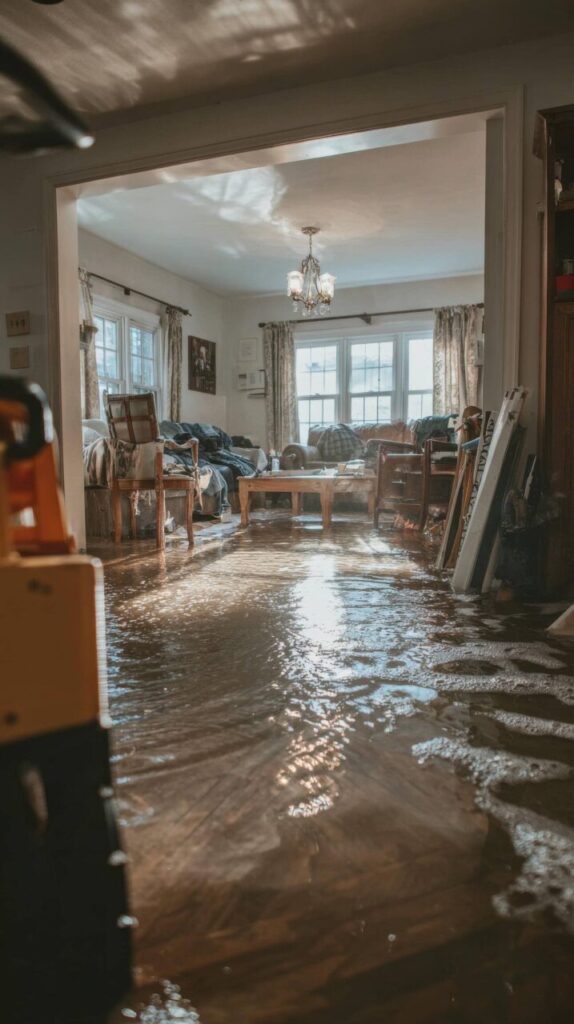
When evaluating stormwater damage, you’re faced with a range of techniques that can greatly impact your assessment accuracy. Visual inspection techniques can reveal important signs, but relying solely on them isn’t enough. Incorporating moisture detection tools and structural integrity assessments can provide a deeper understanding of the damage’s extent. Understanding these methods is essential for effective risk management strategies, as you’ll soon discover how each technique plays a vital role in your overall evaluation process.
Key Takeaways
- Conduct visual inspections to identify damage indicators like cracks, mold growth, and drainage issues around structures.
- Utilize moisture detection tools, including infrared thermography and moisture meters, to assess water content in materials.
- Analyze historical data to identify patterns in stormwater damage and inform future planning and resource allocation.
- Engage professional consultants for thorough site evaluations and tailored recommendations based on specific damage assessments.
- Implement community-driven mitigation strategies, such as green infrastructure, to enhance water absorption and reduce runoff effectively.
Visual Inspection Techniques
When evaluating stormwater damage, employing effective visual inspection techniques is essential for accurate evaluation.
Begin by identifying key visual indicators such as discoloration, mold growth, and erosion. These signs often reveal underlying damage patterns that can lead to more significant issues if left unaddressed.
As you examine the affected areas, pay attention to the structure’s foundation, walls, and roof. Look for cracks, peeling paint, or warped surfaces, which may suggest water infiltration.
Document your findings meticulously, as detailed records will aid in understanding the extent of damage and prioritizing repairs.
Additionally, consider the surrounding landscape; drainage issues can contribute to recurring damage. By analyzing both immediate and broader environmental factors, you’ll gain a thorough view of the situation.
Utilizing these visual inspection techniques enhances your assessment and fosters a sense of belonging within a community committed to effective stormwater management.
Moisture Detection Tools
To accurately assess stormwater damage, you need effective moisture detection tools.
Infrared thermography can reveal temperature differences that indicate moisture presence, while moisture meters provide precise measurements of water content in materials.
Understanding these tools enhances your ability to identify and address damage efficiently.
Infrared Thermography Applications
Infrared thermography serves as an essential tool in detecting moisture intrusion, enabling you to identify hidden water damage effectively.
By utilizing thermal imaging technology, you can visualize temperature variations on surfaces, pinpointing areas where moisture might be present. This non-invasive method allows for accurate damage identification without disrupting the structure.
With infrared thermography, you can assess roofs, walls, and floors, detecting issues before they escalate into costly repairs. The ability to interpret thermal images enhances your diagnostic capabilities, ensuring you make informed decisions.
By integrating this advanced technique into your evaluation process, you foster a proactive approach to moisture management, ultimately contributing to the overall safety and longevity of your property.
Embrace thermal imaging for efficient moisture detection and damage identification.
Moisture Meters Overview
Although various methods exist for detecting moisture, moisture meters stand out as vital tools for accurately measuring moisture content in materials.
You’ll find several moisture meter types, including pin and pinless models, each catering to specific needs. Pin meters penetrate surfaces to provide direct readings, while pinless meters utilize electromagnetic signals for non-invasive measurements.
Regardless of the type, proper calibration of the moisture meter is imperative to ensure accurate readings. Regular calibration helps maintain reliability, allowing you to confidently assess moisture levels in walls, floors, and other materials affected by stormwater damage.
Structural Integrity Assessment
To ensure the safety and longevity of structures affected by stormwater damage, you must conduct a thorough structural integrity assessment.
This process involves employing visual inspection techniques to identify visible signs of damage, utilizing material testing methods to evaluate the condition of construction materials, and analyzing load-bearing capacity to determine if the structure can safely support its intended loads.
Each step is essential for making informed decisions regarding repairs and rehabilitation.
Visual Inspection Techniques
When evaluating structural integrity following stormwater damage, employing effective visual inspection techniques is essential. You’ll want to conduct thorough site observations, focusing on key damage indicators. Look for cracks, shifting foundations, and discoloration, as these can reveal underlying issues.
Here’s a quick reference table to guide your inspection:
| Damage Indicators | Visual Cues |
|---|---|
| Cracks | Horizontal/vertical lines |
| Discoloration | Stains or fading areas |
| Foundation movement | Uneven surfaces |
Material Testing Methods
While visual inspections provide a foundation for evaluating stormwater damage, material testing methods are essential for a thorough assessment of structural integrity.
You should conduct laboratory analysis to determine soil permeability and other crucial properties that influence a structure’s resilience. By testing soil samples, you can identify drainage issues that may lead to further deterioration.
Techniques such as triaxial tests or unconfined compressive strength tests reveal how well the material can withstand pressure and stress. These insights help you make informed decisions about repairs and reinforcements.
Ultimately, employing these testing methods fosters a proactive approach to maintaining structural integrity, ensuring safety and longevity for your projects.
Don’t underestimate the power of precise analysis in safeguarding your investments.
Load-Bearing Capacity Analysis
After evaluating material properties through testing methods, the next step involves determining the load-bearing capacity of structures affected by stormwater damage.
You’ll need to analyze how load distribution varies across affected areas, considering factors like soil saturation and structural integrity. Use computational models to simulate stress responses, ensuring you identify potential weak points.
This process is essential for understanding structural resilience, allowing you to determine whether repairs or reinforcements are necessary. By accurately determining load-bearing capacity, you can make informed decisions that enhance safety and prolong the lifespan of the structure.
Engaging with these evaluations fosters a shared commitment to maintaining community infrastructure, ensuring everyone feels invested in the safety and durability of their environment.
Water Quality Testing
As you assess stormwater damage, understanding the importance of water quality testing becomes essential. Conducting thorough water sample analysis helps identify contamination sources that may affect your environment and community. Accurate testing allows you to take informed actions to mitigate risks and improve overall water quality.
Here’s a summary of common contaminants you might encounter:
| Contaminant | Source | Impact |
|---|---|---|
| Heavy Metals | Industrial runoff | Toxic to aquatic life |
| Nutrients | Fertilizer leaching | Causes algal blooms |
| Pathogens | Wastewater discharge | Health risks for humans |
Historical Damage Analysis
Understanding the historical context of stormwater damage provides valuable insights into patterns and trends that can inform future mitigation efforts. By analyzing historical records, you can identify recurring damage patterns and their correlation with specific weather events or urban development. This analysis helps you pinpoint vulnerabilities in infrastructure and areas prone to flooding.
You’ll want to assess past incidents to determine the frequency and severity of damage, which can guide your planning and resource allocation. Engaging with local history and community experiences can also enrich your understanding, fostering a sense of belonging among stakeholders.
Utilizing historical data not only aids in predicting future risks but also enhances community resilience by informing better design and policy choices. Ultimately, this approach empowers you to develop robust strategies tailored to your region’s unique challenges, ensuring effective long-term stormwater management.
Documentation and Reporting
While effective stormwater management relies heavily on historical data, accurate documentation and reporting of current incidents are equally vital. You need to conduct thorough damage assessments immediately after a storm event. This involves systematically recording the extent of the damage, identifying affected areas, and collecting relevant data such as photographs, measurements, and environmental conditions.
Once you’ve gathered the necessary information, focus on report generation. Create clear and concise reports that summarize your findings, as these documents are essential for decision-making and future planning. Use standardized formats to ensure consistency, making it easier for stakeholders to comprehend the situation.
Moreover, these reports should be shared promptly with relevant authorities and community members, fostering transparency and collaboration. By prioritizing documentation and reporting, you enhance the evaluation process and contribute to a collective understanding of stormwater impacts, ultimately promoting effective long-term solutions.
Professional Consultation Services
Following the documentation and reporting phase, engaging professional consultation services can greatly enhance the evaluation of stormwater damage.
These experts conduct a thorough site evaluation, bringing specialized knowledge that ensures no detail is overlooked. Their ability to assess damage accurately allows you to understand the full scope of the impact on your property.
Professional consultants provide expert recommendations tailored to your specific situation. They analyze the findings from your documentation, integrating their insights into actionable strategies for mitigation and repair.
This collaboration strengthens your understanding of the stormwater issues and fosters a sense of community among property owners facing similar challenges.
Risk Assessment and Management Strategies
Effective risk assessment and management strategies are essential for mitigating the impacts of stormwater damage on your property. Start by conducting a thorough evaluation of potential risks, focusing on areas prone to flooding or erosion.
Use risk prioritization techniques to identify which vulnerabilities pose the greatest threat. This systematic approach enables you to allocate resources effectively and ensures that the most critical issues are addressed first.
Next, develop an impact mitigation plan tailored to your specific property characteristics. This might include implementing green infrastructure solutions, such as rain gardens or permeable pavements, that enhance water absorption and reduce runoff.
Regularly update your risk assessments to account for changing weather patterns and urban development. Engaging with community resources and local experts can strengthen your strategies, fostering a sense of belonging as you work together to protect your property and neighborhood from future stormwater challenges.
Frequently Asked Questions
How Can I Prevent Future Stormwater Damage?
To prevent future stormwater damage, implement effective drainage solutions and ensure proper landscape grading. These measures channel water away from structures, minimizing risks and enhancing your property’s resilience against severe weather impacts.
What Are the Signs of Hidden Water Damage?
You’ll notice warped walls or peeling paint, signaling hidden leaks lurking beneath. Trust your instincts; if you smell mustiness, grab a moisture detection tool to uncover the unseen damage, ensuring your home stays safe and sound.
How Often Should I Conduct Storm Water Evaluations?
You should conduct stormwater evaluations regularly, ideally twice a year. Following frequency guidelines ensures you catch potential issues early. Create an evaluation scheduling plan that aligns with seasonal changes for best results and community safety.
Are DIY Methods Effective for Assessing Stormwater Damage?
“An ounce of prevention is worth a pound of cure.” DIY assessments can provide valuable insights for damage evaluation, but they lack professional precision. Make certain you’re thorough, as overlooking details might lead to further complications.
What Should I Do Immediately After a Flood Occurs?
Immediately after a flood, prioritize safety. Assess your surroundings, contact emergency services if needed, and document damages. Act quickly to secure your property and ensure you and others are safe from potential hazards.
Review
In the battle against stormwater damage, employing a blend of techniques is your best armor. Visual inspections reveal hidden threats, while moisture detection tools act as your vigilant scouts. By weaving together historical analysis and professional insights, you create a robust strategy that stands resilient against future storms. As you document and report findings, you’re not just evaluating damage—you’re building a fortress of knowledge that empowers your community to weather the storm and thrive.