
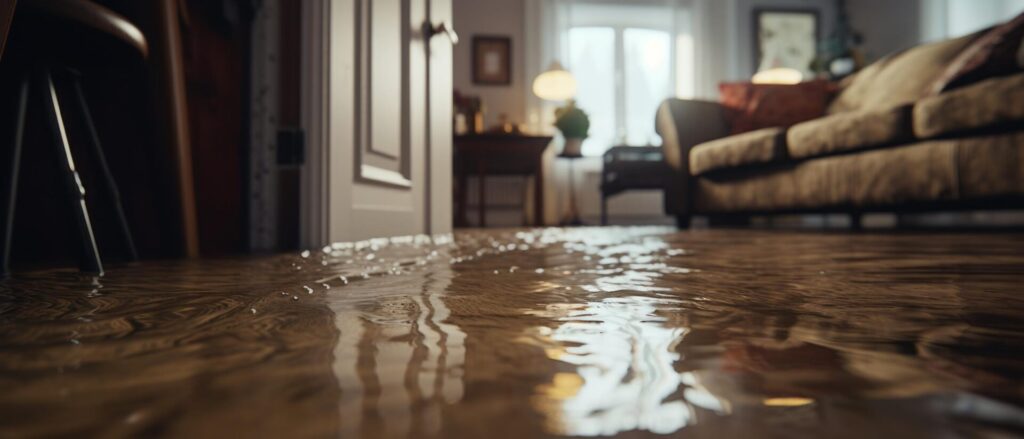
When faced with a leak, every moment counts. You need to act swiftly and methodically to minimize damage and prevent mold growth. Understanding the right techniques can make all the difference in your recovery efforts. By following some expert tips, you can streamline the water removal process effectively. Let’s explore the essential steps you should take to tackle this challenge.
Key Takeaways
- Quickly assess the situation to identify the source of water and the extent of damage, prioritizing immediate response to prevent further issues.
- Shut off electricity and gas in affected areas to ensure safety from electrical shocks and gas leaks during water removal.
- Use essential tools like wet/dry vacuums, sump pumps, and industrial fans to effectively remove water and control moisture levels.
- Remove high-value belongings promptly, protecting them from moisture and documenting their condition for insurance purposes.
- Monitor for mold growth within 24 to 48 hours and implement preventive measures to control humidity and ventilation in affected areas.
Assess the Situation Quickly
When faced with water damage, how quickly can you assess the situation? Your ability to perform a quick evaluation is vital in mitigating further damage. Start by identifying the source of the water—whether it’s a burst pipe, heavy rain, or a leaking appliance. This initial assessment helps you prioritize your response.
Next, evaluate the extent of the damage. Focus on affected areas, such as flooring, walls, and furniture. Take note of any visible mold or structural issues, which may need immediate attention. Time is of the essence, and a clear understanding of the situation allows you to make informed decisions.
Finally, document your findings with photos and notes; this can be invaluable when filing claims or seeking professional help.
Gather Essential Tools and Equipment
After evaluating the situation, it’s time to gather the right tools and equipment to tackle water removal effectively.
Start with an equipment checklist to ensure you have everything you need. Essential tools include a wet/dry vacuum for quick extraction, a mop and bucket for smaller spills, and towels for drying surfaces.
Don’t forget a sump pump if you’re dealing with standing water in basements or crawl spaces.
You’ll also want protective gear like gloves and boots to keep yourself safe and dry.
A dehumidifier is vital for eliminating residual moisture and preventing mold growth.
For larger areas, consider industrial fans to enhance airflow.
Shut Off Electricity and Gas
Before diving into water removal, it’s essential to ensure safety by shutting off electricity and gas. These safety precautions protect you from electrical shocks and potential gas leaks during an emergency.
First, locate your home’s main electrical panel and turn off the circuit breakers supplying power to affected areas. If water has reached outlets or appliances, avoid touching anything until you’ve cut off the electricity.
Next, turn off the gas supply at the main valve, typically found near your gas meter. This step is vital if you smell gas or suspect water damage to gas lines.
Remember, following these emergency procedures safeguards your well-being and prevents further damage to your home. Once you’re certain these utilities are off, you can focus on efficient water removal without the added risk of electrical hazards or gas leaks.
Your safety is the top priority—don’t skip this essential step.
Remove Furniture and Belongings
With the electricity and gas safely turned off, it’s time to tackle the removal of furniture and belongings from the affected areas. Swift action is key to minimizing damage.
Here’s how to proceed efficiently:
Prioritize High-Value Items: Identify and remove valuable belongings first. This includes electronics, art, and important documents.
Use Furniture Protection: Wrap furniture in plastic sheeting or blankets to shield it from moisture. If possible, elevate items on blocks or pallets to keep them above standing water.
Create a Belongings Inventory: As you remove items, document each one. Note their condition and take photos. This inventory will help in insurance claims and future recovery.
Start Water Extraction Immediately
Start extracting water as soon as you’ve cleared the area of furniture and belongings. An immediate response is essential to minimize water damage and protect your possessions.
Use a wet/dry vacuum or a submersible pump to remove standing water efficiently. If the water is deep, start with the pump, then switch to the vacuum for final touches.
Don’t overlook smaller amounts of water that can seep into carpets and flooring; every drop counts in the battle against damage.
Make sure you’re wearing protective gear, as contaminated water may pose health risks. While extracting, keep an eye on your surroundings; move quickly but methodically to avoid slipping or tripping hazards.
Use Dehumidifiers and Fans
Using dehumidifiers and fans is essential in the drying process after water extraction. Proper setup can notably speed up drying and prevent mold growth.
Here are three key tips to maximize effectiveness:
Dehumidifier Placement: Position your dehumidifier in the most damp areas. This allows it to extract moisture efficiently. If possible, elevate it to improve air circulation.
Fan Orientation: Direct fans toward the walls and corners of the room to create air movement. This helps moisture evaporate faster from surfaces and speeds up the drying process.
Combine Forces: Use both dehumidifiers and fans together. The dehumidifier removes moisture from the air, while the fans circulate the dry air, creating a dynamic drying environment.
Clean and Sanitize Affected Areas
Once you’ve removed excess water, it’s essential to assess the contamination levels in the affected areas.
Choose appropriate cleaning agents based on the materials involved and the type of contaminants.
Finally, ensure proper drying techniques to prevent mold growth and ensure a thorough sanitation process.
Assess Contamination Levels
When tackling water damage, it’s essential to assess contamination levels in affected areas to ensure a safe environment.
Identifying contamination sources early on will help you take the right measures for cleanup.
Here are three steps to effectively assess contamination:
Conduct Water Testing: Use simple kits to analyze water samples for harmful contaminants, ensuring you know what you’re dealing with.
Inspect Surrounding Materials: Check walls, flooring, and furnishings for mold or bacteria, as these can spread if not addressed promptly.
Evaluate the Area’s History: Consider previous water damage incidents or plumbing issues that might indicate ongoing risks.
Use Appropriate Cleaning Agents
Choosing the right cleaning agents is vital for effectively sanitizing areas affected by water damage. Start by selecting effective solutions that target mold, mildew, and bacteria.
Look for cleaning agents specifically designed for water damage, as they’ll penetrate surfaces and neutralize harmful contaminants. Bleach can be useful for non-porous surfaces, but consider eco-friendly alternatives to ensure safety for your family and pets.
Always follow the manufacturer’s instructions for proper dilution and application. Additionally, don’t forget to wear protective gear to safeguard yourself during the cleaning process.
Ensure Proper Drying Techniques
To effectively ensure proper drying techniques, immediately address the affected areas by removing excess moisture.
Start with a thorough moisture assessment to identify damp spots. Then, employ effective drying methods to ensure a clean and sanitized environment.
Follow these steps:
- Ventilation: Open windows and doors to create airflow, or use fans to circulate air.
- Dehumidifiers: Utilize dehumidifiers to extract moisture from the air, speeding up the drying process.
- Heat: Increase the temperature in the area to help evaporate moisture faster.
Monitor for Mold Growth
Although you may have successfully removed water from your space, it’s crucial to monitor for mold growth in the days that follow. Mold can develop quickly in damp conditions, often within 24 to 48 hours.
Regularly check areas that were affected, focusing on hidden spots like behind walls or under carpets.
Implement mold prevention strategies like keeping humidity levels below 60% and ensuring proper ventilation. Use dehumidifiers if necessary, especially in closed-off spaces.
If you spot any mold, act swiftly with mold remediation techniques, which include scrubbing surfaces with a mixture of water and detergent or using specialized mold removal products.
Being proactive protects your health and fosters a sense of community well-being.
By sharing your knowledge and experiences, you can help others in your network tackle mold issues effectively.
Stay vigilant, and you’ll maintain a safe, mold-free environment.
Summary
As you stand amidst the chaos, water pooling around your feet, remember that every second counts. Swiftly implement these techniques, and soon you’ll see the tide of disaster recede. The hum of dehumidifiers and the rush of industrial fans will become your allies, driving out moisture and the lurking threat of mold. But don’t let your guard down; vigilant monitoring is key. With each passing moment, you’re not just salvaging belongings—you’re reclaiming your space from the shadows of water damage.