
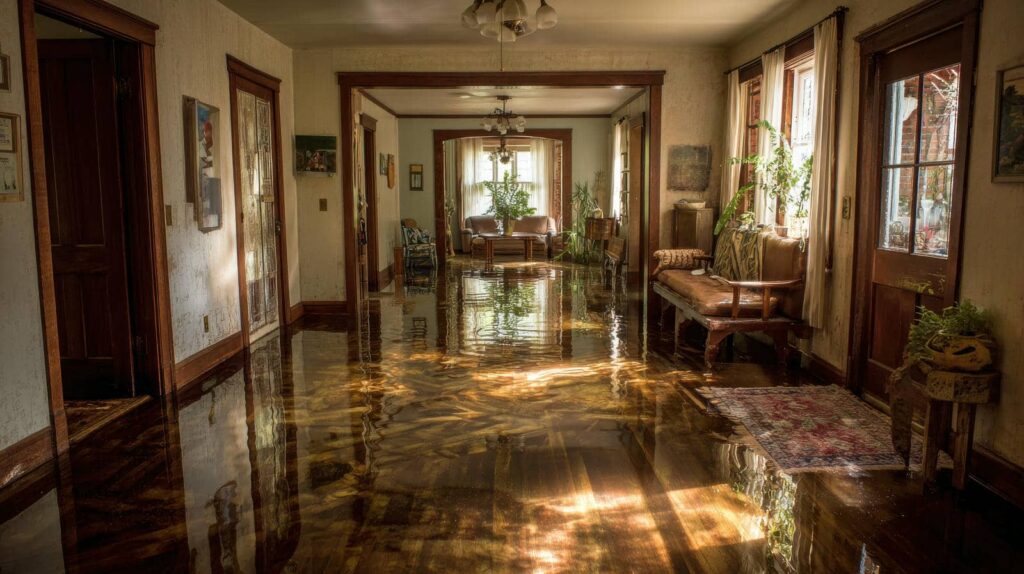
Understanding the intricacies of water damage insurance coverage is vital for safeguarding your home. From sudden leaks to the exclusions that could leave you vulnerable, knowing what’s covered can save you significant financial distress. As we explore the various aspects of water damage policies, you’ll discover essential insights that can inform your decisions and protect your investment.
Key Takeaways
- Homeowners insurance typically covers sudden and accidental water damage, but gradual damage and flood-related incidents often require separate policies.
- Understanding policy limits and deductibles is essential, as they determine the maximum payout and reduce claim amounts, respectively.
- Maintenance neglect can lead to denied claims, so regular upkeep of plumbing and appliances is crucial for coverage.
- Thorough documentation, including photographs and repair estimates, is vital for substantiating claims and influencing payout amounts.
- Comparing insurance policies helps identify coverage gaps, especially for flood-prone areas or homes with older plumbing systems.
Types of Water Damage Coverage
When you’re dealing with water damage, understanding the types of coverage available can greatly impact your recovery process. Homeowners insurance typically includes water damage coverage, but it often comes with policy limits that dictate the maximum payout.
Familiarizing yourself with these limits is essential; they can vary widely based on your specific policy.
There are generally two main types of coverage: sudden and accidental water damage, and gradual water damage. Sudden damage, like a burst pipe, is usually covered, while gradual damage, such as long-term leaks, often isn’t.
Additionally, water mitigation efforts play a significant role in your recovery. Taking prompt action to minimize damage can help you stay within policy limits, improving your chances of a successful claim.
Understanding these distinctions will empower you to navigate your options effectively, ensuring that you’re prepared when facing water damage challenges.
Common Exclusions in Water Damage Policies
When evaluating your water damage policy, it’s essential to understand common exclusions that could impact your coverage.
For instance, flood damage is often excluded, meaning you may need a separate policy for such events.
Additionally, maintenance neglect clauses can leave you responsible for damages resulting from a lack of proper upkeep.
Flood Damage Exclusion
Although many water damage insurance policies cover various types of damage, it’s crucial to understand that flood damage is often explicitly excluded. This exclusion means that if your property suffers from flooding, your standard water damage policy may not provide coverage.
To protect yourself from potential losses due to flooding, you’ll need to contemplate purchasing separate flood insurance. It’s important to review your policy limitations carefully, as relying solely on a water damage policy might leave you vulnerable to significant financial burdens.
Understanding these exclusions can help you make informed decisions about your coverage options and ensure you’re adequately protected against the unique risks associated with flooding in your area.
Maintenance Neglect Clause
Water damage insurance policies often include a Maintenance Neglect Clause, which can greatly impact your coverage. This clause typically excludes claims arising from your failure to uphold maintenance responsibilities. If you don’t address leaks or other issues in a timely manner, your insurer might deny your claim based on policy limitations.
Here’s a breakdown of common maintenance neglect scenarios:
| Scenario | Possible Impact | Coverage Outcome |
|---|---|---|
| Ignored plumbing leaks | Increased water damage | The claim may be denied |
| Unmaintained appliances | Risk of malfunction | Limited or no coverage |
| Structural damage | Costly repairs required | Potentially uncovered |
Understanding these aspects helps ensure you’re proactive in maintaining your property and safeguarding your insurance claims.
Understanding the Claims Process
Maneuvering the claims process for water damage insurance can feel overwhelming, especially if you’re unfamiliar with the necessary steps. To simplify this, start by understanding key claims terminology, such as deductible, coverage limits, and liability. Knowing these terms will help you navigate discussions with your insurance adjuster more effectively.
Next, familiarize yourself with the documentation requirements. You’ll need to provide evidence of the damage, which typically includes photographs, repair estimates, and a detailed inventory of affected items. These documents are essential for substantiating your claim and ensuring you’re compensated fairly.
Don’t hesitate to ask your insurer for clarification on any aspect of the process. Remember, you’re not alone in this; many policyholders face similar challenges.
Importance of Documenting Damage
Documenting damage is essential for substantiating your insurance claims, as it provides the necessary evidence to support your case.
By meticulously recording the extent of the damage, you can also help prevent similar issues in the future and streamline the restoration process.
This attention to detail aids in your current situation and reinforces the importance of being proactive in managing potential risks.
Evidence for Claims
When filing a water damage insurance claim, having solid evidence is essential. Effective claims documentation can greatly impact the outcome of your claim. You’ll need to focus on thorough evidence collection to support your case. This means taking pictures, keeping receipts, and documenting any correspondence with your insurance company.
Here’s a simple overview of what to collect:
| Evidence Type | Description |
|---|---|
| Photos | Take clear pictures of the damage |
| Receipts | Keep all relevant invoices |
| Repair Estimates | Get quotes from professionals |
| Communication Logs | Document conversations |
| Incident Reports | Write down the details |
Preventing Future Issues
After gathering all the necessary evidence for your water damage claim, the focus shifts to preventing future issues.
It’s essential to implement effective moisture control measures in your home. Start by installing water detection systems that alert you to leaks or excessive moisture, allowing for quick action.
Regularly inspect areas prone to water damage, such as basements and bathrooms, to catch potential problems early. Ensure proper drainage around your property to divert water away from your foundation.
Additionally, maintain your gutters and downspouts, keeping them clear of debris.
Supporting Restoration Efforts
To support your restoration efforts effectively, maintaining a detailed record of the damage is essential.
This documentation aids in your insurance claims and streamlines the restoration process.
Consider these key items to capture:
Photographic Evidence: Take clear pictures of the damage from multiple angles.
Inventory of Affected Items: List all damaged belongings, including their value and condition.
Emergency Services Reports: Keep copies of reports from professionals who assessed the damage or initiated restoration techniques.
Factors Affecting Insurance Payouts
Understanding the intricacies of water damage insurance payouts requires you to contemplate several key factors that can considerably impact the amount you receive. Your policy limits play a significant role, as they determine the maximum payout available for claims. Additionally, claim adjusters assess damages, influencing the final amount you’re awarded. Here’s a summary of factors affecting your insurance payouts:
| Factor | Impact on Payouts | Notes |
|---|---|---|
| Policy Limits | Cap on total payout | Higher limits = more coverage |
| Deductibles | Amount deducted from claim | Lower deductibles = more money |
| Type of Damage | Coverage specifics | Some damages may not be covered |
| Claim Adjuster’s Evaluation | Determines claim legitimacy | Influences the final payout amount |
| Timeliness of Claim | Can affect payout speed | Prompt claims often get quicker responses |
How to Choose the Right Coverage
Choosing the right coverage for water damage insurance involves a careful evaluation of your specific needs and potential risks. To make an informed decision, consider the following factors:
Assess Your Property: Understand the vulnerabilities of your home, such as its location and age, which can influence your risk of water damage.
Review Coverage Comparisons: Examine different policies from various insurers. Look for extensive coverage that includes protection against common water damage causes like plumbing failures or natural disasters.
Understand Policy Limitations: Familiarize yourself with the exclusions and limitations in each policy. Some may not cover certain types of water damage, leaving you unprotected.
Tips for Preventing Water Damage
Preventing water damage requires proactive measures that address potential risks before they escalate. Start by investing in water leak detection systems, which can alert you to leaks before they cause significant damage. Regular inspection of pipes and appliances can also help identify vulnerabilities early.
Additionally, ensure proper sump pump maintenance to keep your basement dry during heavy rains. A well-functioning sump pump can be your first line of defense against flooding.
Here’s a quick reference table to help you remember key preventive actions:
| Preventive Measure | Frequency |
|---|---|
| Inspect plumbing | Monthly |
| Test water leak detection | Quarterly |
| Clean gutters | Biannually |
| Maintain the sump pump | Annually |
| Check appliance hoses | Every six months |
When to Consider Additional Coverage Options
While standard homeowners insurance typically covers some types of water damage, it often falls short in addressing specific risks that could impact your property.
To ensure your home is fully protected, consider additional policy options when:
You live in a flood-prone area: Standard policies usually don’t cover flood damage, so it’s wise to assess risks specific to your location.
You have older plumbing: Aging pipes can lead to leaks and water damage that may not be covered under a standard policy.
You run a home-based business: Water damage in your workspace could jeopardize your livelihood, making additional coverage essential.
Frequently Asked Questions
Will My Water Damage Coverage Vary by State?
Yes, your water damage coverage can vary by state due to differing state regulations. These regulations often influence coverage limits, so it’s essential to review your policy and understand the specific rules in your state.
How Do I File a Claim for Water Damage?
When it rains, it pours, so start your claim process by documenting the damage. Contact your insurer, schedule a damage assessment, and submit the necessary paperwork to ensure a smooth claims experience.
Can I Get Coverage for Mold Caused by Water Damage?
You might get coverage for mold remediation if it results from covered water damage, but watch out for insurance exclusions. Always review your policy details to understand specific coverage limits related to mold damage.
Are There Waiting Periods Before Coverage Starts?
When considering coverage initiation, you’ll often encounter waiting periods. These delays can vary by policy, so it’s essential you review your terms. Understanding these aspects helps you navigate your insurance options effectively and confidently.
Does My Homeowners Policy Automatically Include Water Damage Coverage?
Your homeowners’ policy may not automatically include water damage coverage. You’ll need to review specific water damage types and their coverage limits, as policies vary widely. Make certain you understand your options to protect your home effectively.
Recap
In the world of water damage insurance, a single leaky pipe can release chaos, turning your home into a soggy disaster zone. By understanding your coverage, you can dodge financial nightmares and keep your sanctuary intact. Don’t let a lack of maintenance lead to denied claims—think of it as fortifying your castle against an impending flood. With the right strategies, you won’t just survive the storm; you’ll thrive in a fortress of protection tailored to your needs.