
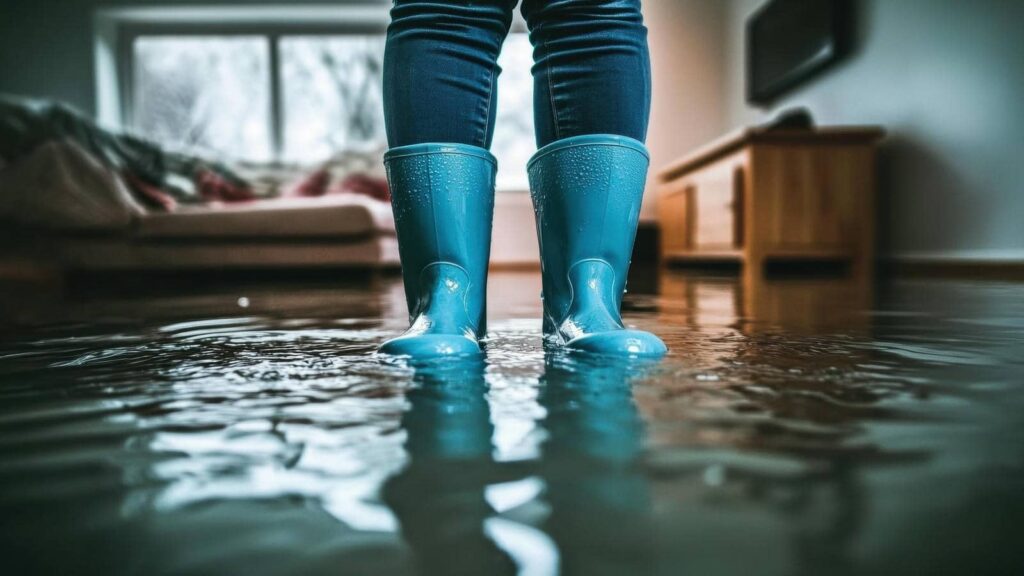
Imagine your home as a sponge, soaking up every drop of water from a storm. When faced with storm damage, understanding the extent of the water intrusion is essential. It’s not just about mopping up a mess; it’s about implementing effective repair solutions that ensure your property’s integrity. From emergency extraction to preventative measures, each step plays a significant role in safeguarding your home. What are the key strategies that can truly make a difference?
Key Takeaways
- Conduct a thorough assessment of water damage to determine severity and document findings for insurance claims.
- Implement emergency water extraction techniques to remove water quickly and minimize damage.
- Utilize drying and dehumidification methods to control moisture levels and prevent mold growth.
- Repair structural damage using high-quality materials and consult professionals for complex repairs.
- Engage in regular maintenance practices, such as gutter cleaning and drainage inspections, to prevent future storm damage.
Assessing the Extent of Water Damage
When you face water damage from a storm, evaluating the extent of that damage is vital for effective repair. Start with a thorough water damage assessment, inspecting visible areas like walls, floors, and ceilings.
Don’t overlook hidden spaces, such as behind appliances and inside cabinets, where moisture might linger.
Once you’ve identified the affected areas, categorize the damage severity evaluation. Classify the damage into categories: minor, moderate, or severe. This classification helps prioritize repairs and determine the necessary resources.
It’s important to document your findings with photographs and notes, as this information can be invaluable for insurance claims.
Remember, you’re not alone in this process; many face similar challenges, and sharing your experiences can foster a sense of community.
Emergency Water Extraction Techniques
When facing water damage from a storm, your immediate response can greatly impact the outcome.
Knowing how to utilize the right equipment and prioritize safety precautions is essential in minimizing further damage.
Let’s explore effective emergency water extraction techniques that can help you regain control of the situation.
Immediate Response Procedures
Although flooding can be overwhelming, taking immediate action is essential to mitigate damage effectively.
Start by conducting quick assessments of the affected areas, identifying the source of water and the extent of the damage. Your immediate actions should focus on prioritizing safety—turn off electricity and avoid wading into deep water.
If possible, remove valuable items from the flooded area to minimize loss. Use towels and mops to soak up excess water, but remember that professional extraction may be necessary for larger quantities.
Document the damage with photos for insurance claims. By swiftly addressing the situation, you protect your property and foster a sense of control and community support during this stressful time.
Equipment Utilization Strategies
To effectively tackle water damage, harnessing the right equipment for emergency extraction is essential. Your success hinges on having the best tools and ensuring they’re well-maintained and up-to-date with technology advancements.
By employing effective extraction techniques, you can minimize damage and restore affected areas efficiently.
Consider these key strategies for ideal equipment utilization:
- Invest in high-quality pumps for rapid water removal.
- Utilize industrial fans and dehumidifiers to dry out spaces and prevent mold growth.
- Regularly perform equipment maintenance to ensure everything operates smoothly when you need it most.
Safety Precautions Importance
Prioritizing safety precautions during emergency water extraction isn’t just a best practice; it’s crucial for protecting both you and those affected by the damage.
Wearing appropriate safety gear, such as gloves and waterproof boots, minimizes your risk of injury or illness. It’s important to be aware of potential hazards, like electrical issues or contaminated water, which can pose serious threats.
Adhering to established emergency protocols ensures you’re prepared for unexpected situations. Familiarizing yourself with these protocols boosts your confidence and fosters a sense of community among those working together.
Drying and Dehumidification Processes
When water damage occurs, understanding the drying and dehumidification processes is vital for effective restoration. You’ll want to focus on two key elements: air circulation and moisture control. By ensuring proper airflow, you can greatly speed up the drying process and mitigate further damage.
Here are some effective strategies to take into account:
Use fans: Position fans strategically to promote air circulation around damp areas.
Dehumidifiers: Invest in dehumidifiers to lower humidity levels, helping to draw moisture from the air and surfaces.
Open windows: If the weather permits, open windows to enhance airflow, allowing for a natural exchange of air.
These techniques assist in drying out your space and create a more comfortable environment.
Mold Prevention and Remediation
When storm damage causes water intrusion, it creates ideal conditions for mold growth, which can pose serious health risks.
Understanding effective remediation techniques and implementing prevention strategies are vital to safeguarding your home and well-being.
Let’s explore how you can tackle mold issues head-on and keep your environment safe.
Mold Growth Conditions
Although storm damage can leave your property vulnerable, understanding the conditions that foster mold growth is important for effective prevention and remediation.
Mold thrives in specific environments, so it’s essential to recognize these factors and act quickly. Here are key conditions to watch for:
- High humidity: Maintaining levels below 60% can deter mold.
- Water intrusion: Address leaks and standing water immediately.
- Poor ventilation: Ensuring air circulation limits moisture buildup.
Utilizing mold identification techniques helps pinpoint issues early, while moisture control methods are critical for maintaining a dry environment.
Remediation Techniques Overview
Understanding the conditions that promote mold growth sets the stage for effective remediation techniques. You’ll need to focus on improving water quality and addressing moisture quickly. Here’s a concise overview of the key techniques:
| Technique | Description |
|---|---|
| Containment | Isolate affected areas to prevent spread. |
| Removal | Safely remove mold-infested materials. |
| Cleaning | Use specialized cleaners on surfaces. |
| Drying | Employ dehumidifiers to reduce moisture. |
| Monitoring | Regularly check humidity levels. |
Prevention Strategies Essential
To effectively prevent mold growth, it’s crucial to implement proactive strategies that address moisture and environmental control in your space.
By focusing on stormproofing homes and enhancing your emergency preparedness, you can greatly reduce the risk of mold after water damage.
Here are three key strategies to contemplate:
Control Humidity: Keep indoor humidity below 60% by using dehumidifiers and ensuring proper ventilation.
Seal Leaks: Regularly inspect your home for leaks and seal any gaps to prevent moisture intrusion during storms.
Regular Maintenance: Clean gutters and downspouts, and make sure drainage systems work effectively to divert water away from your foundation.
Repairing Structural Damage
Repairing structural damage after a storm is essential to ensure your home’s safety and integrity. You need to assess the extent of the damage thoroughly. Look for signs like cracks in walls or sagging roofs, which can compromise your home’s structural integrity.
Utilize effective repair techniques such as reinforcing beams, replacing damaged trusses, or even adding additional support to affected areas.
Don’t hesitate to consult professionals who can provide insight into the best methods for your specific situation. They can help you navigate the complexities of structural repairs, ensuring that your home remains a safe haven for you and your family.
Replacing and Restoring Affected Materials
After a storm, addressing the replacement and restoration of affected materials is essential for both safety and aesthetic appeal. You’ll want to assess the damage carefully and determine which materials need replacing and which can be restored using effective restoration techniques.
Consider the following steps:
Identify damaged materials: Check for mold, water damage, or structural instability in walls, flooring, and ceilings.
Choose the right material replacement: Opt for high-quality materials that can withstand future storms and integrate well with your existing structure.
Implement restoration techniques: Consider options like refinishing, cleaning, or treating materials to restore their original condition when replacement isn’t necessary.
Taking these steps helps maintain your home’s integrity and fosters a sense of community pride in your living space.
Preventative Measures for Future Storm Damage
While storms can be unpredictable, implementing preventative measures can considerably reduce the risk of damage to your home. Start by considering stormproofing tips, like reinforcing your roof and securing windows. These measures help minimize wind damage, making your home safer during intense storms.
You might also explore flood-resistant designs, such as elevating your home or using flood barriers. These adaptations create a buffer against rising waters, protecting not just your property but your peace of mind as well.
Regular maintenance is essential; clear gutters and downspouts to ensure proper drainage, and inspect your landscaping for potential erosion issues.
Frequently Asked Questions
How Can I Identify Hidden Water Damage in My Home?
To identify hidden water damage in your home, check for water stains on walls and ceilings. Conduct a mold inspection in damp areas, as mold often indicates underlying moisture issues that need immediate attention.
What Should I Do Before Professionals Arrive?
Before professionals arrive, you should conduct an initial assessment of the damage. Prioritize safety and emergency preparedness by documenting the situation and turning off utilities to prevent further issues while waiting for expert assistance.
How Much Does Storm Damage Water Repair Typically Cost?
Storm damage water repair costs can vary widely based on factors like severity and location. You should gather insurance quotes to understand your financial responsibility and explore options to ease the burden during this challenging time.
Will My Insurance Cover Storm Damage Water Repair?
Your insurance policies might cover storm damage and water repair, but it depends on your coverage limits. Review your policy carefully, and consider contacting your insurer to clarify what’s included. You’re not alone in maneuvering through these complexities.
How Long Does the Entire Repair Process Usually Take?
The repair timeline varies, but typically includes restoration phases like assessment, drying, and repairs. You can expect the entire process to take days to weeks, depending on the extent of the damage and your specific situation.
Wrap-Up
You might think that storm damage is too overwhelming to handle, but with the right approach, it’s manageable. By evaluating the extent of the damage, extracting excess water, and drying your space thoroughly, you can prevent further issues like mold. Repairing structural damage and replacing affected materials ensures your property remains safe and sound. Taking proactive steps now safeguards your home for the future, and it gives you peace of mind during stormy weather.