
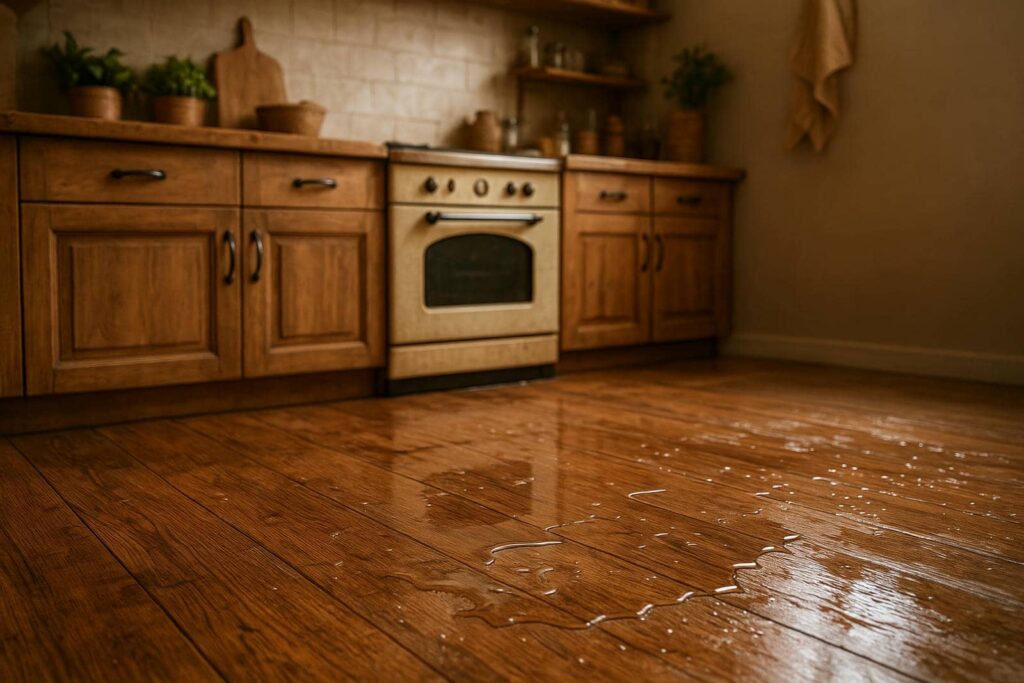
After Hurricane Harvey, thousands faced the intimidating task of evaluating flood damage to their homes. To navigate this complex process, you’ll need to employ a variety of techniques that identify visible destruction and uncover hidden issues. From moisture mapping to thermal imaging, each method plays an essential role in forming a complete picture of the damage. So, how do you ensure a thorough and effective assessment?
Key Takeaways
- Conduct thorough visual inspections to identify flood damage and prioritize areas based on the severity of water intrusion signs.
- Utilize moisture mapping and thermal imaging technology to detect hidden moisture and assess structural integrity effectively.
- Implement water level measurement sensors for accurate data collection on flood impacts and analyze trends for future preparedness.
- Collect samples from affected materials to test for contamination and document findings using standardized protocols for reliable assessments.
- Collaborate with insurance adjusters by documenting damages meticulously and outlining immediate response actions for effective claims and recovery planning.
Visual Inspection of Affected Areas
When evaluating flood damage, conducting a thorough visual inspection of affected areas is essential. Start by focusing on flood zone identification, noting the specific regions impacted. This will help you understand the extent of the flooding and prioritize your assessment.
As you move through the area, look for signs of water intrusion, such as discoloration, mold growth, or structural damage. Pay particular attention to basements, crawl spaces, and areas around foundations, as these often suffer the most.
Next, engage in damage severity evaluation. Classify damage into categories: minor, moderate, and severe. This systematic approach allows for a clearer understanding of the situation and informs your next steps, whether that’s seeking professional assistance or initiating repairs.
Moisture Mapping Techniques
Following a thorough visual inspection, the next step in evaluating flood damage involves implementing moisture mapping techniques.
These techniques utilize advanced moisture detection and mapping technology to identify hidden water intrusion that’s not visible to the naked eye. You’ll want to employ devices like moisture meters, which can penetrate materials and provide precise readings of moisture levels.
By systematically mapping moisture content across affected areas, you can create a detailed overview of the damage. This method allows you to distinguish between saturated and dry zones, making sure that no areas are overlooked.
Additionally, moisture mapping provides valuable data that helps in evaluating the potential for mold growth and structural integrity.
As you engage in this meticulous process, you’re not just evaluating damage; you’re also cultivating a deeper understanding of the restoration needed.
This collective approach fosters a sense of belonging, as you work alongside others to create a safe and healthy environment.
Thermal Imaging Technology
Thermal imaging technology plays an essential role in detecting hidden moisture within structures after a flood.
By using infrared cameras, you can identify temperature variations that indicate water intrusion, allowing for a more accurate assessment of damage.
This method helps you locate moisture and aids in evaluating the structural integrity of affected areas, ensuring thorough remediation efforts.
Detecting Hidden Moisture
A crucial aspect of effective flood damage assessment involves detecting hidden moisture, which can lead to long-term structural issues if overlooked.
Utilizing thermal imaging technology is one of the most efficient methods for moisture detection. This technique allows you to identify temperature variations in surfaces, indicating moisture presence behind walls or under floors.
During your humidity assessment, you’ll want to focus on areas that are typically prone to leaks, such as around windows, doors, and plumbing fixtures. By pinpointing these hidden pockets of moisture early on, you can take proactive measures to mitigate damage and prevent mold growth.
Investing time in thorough moisture detection ensures a safer environment, fostering a sense of security for you and your community.
Assessing Structural Integrity
While evaluating flood damage, understanding the structural integrity of a building is essential, and thermal imaging technology plays a vital role in this evaluation. This technology allows you to conduct a thorough structural analysis by revealing temperature variations that indicate potential weaknesses.
As you assess areas of concern, you can pinpoint moisture accumulation, which may compromise load evaluation. By identifying these hidden issues early, you can prevent further deterioration and ensure the safety of occupants.
Utilizing thermal imaging enhances your assessment and fosters a sense of community responsibility, as you protect those who inhabit the affected structures. Ultimately, integrating thermal imaging into your assessment toolkit empowers you to make informed decisions regarding repairs and restorations.
Water Level Measurement and Analysis
Accurate water level measurement is crucial for effective flood damage assessment, as it provides essential data for understanding the extent of inundation.
Using water level sensors is key to gathering this data. By analyzing the readings, you can interpret how much water has impacted various areas.
Here are five important techniques to enhance your water level measurement and analysis:
- Install water level sensors in strategic locations to capture real-time data.
- Regularly calibrate sensors to ensure accurate readings.
- Utilize data interpretation tools for analyzing collected data effectively.
- Monitor water levels continuously during flood events for timely responses.
- Document historical data for trend analysis and future preparedness.
Structural Integrity Assessment
Following water level measurements, evaluating structural integrity becomes crucial in understanding the impact of flooding on buildings and infrastructure.
You need to assess the condition of load-bearing walls and foundation stability to determine how well a structure can withstand future stresses. Begin by inspecting walls for cracks, warping, or any signs of compromise. Check for water infiltration, which can weaken materials and lead to further damage.
Next, evaluate the foundation; any signs of settling or shifting indicate serious concerns. Document any irregularities meticulously, as this information is essential for remediation efforts.
You’ll want to collaborate with structural engineers who can provide expert insights into the extent of damage and necessary repairs. By prioritizing these assessments, you protect the integrity of the structures and ensure the safety of those who rely on them, fostering a sense of community resilience in the face of adversity.
Sampling and Testing of Contaminated Materials
As floodwaters recede, evaluating the contamination of materials becomes essential for ensuring the safety and health of occupants.
You need to implement effective sampling and testing protocols for contaminated material to assess risks accurately. Here’s a methodical approach to guide you:
- Identify potential sources of contamination, like sewage or chemicals.
- Collect samples from affected materials, ensuring to use proper protective gear.
- Utilize standardized testing protocols to determine the presence of harmful pathogens or toxins.
- Analyze the samples in a certified laboratory for precise results.
- Document findings thoroughly, noting the extent of contamination and necessary remediation steps.
Use of Drones for Aerial Assessments
Drones have revolutionized flood damage assessments by providing real-time aerial insights that ground crews may miss. With advanced drone technology, you can quickly gather extensive aerial imagery, allowing for a thorough evaluation of affected areas. Using drones enhances safety, as you can survey hazardous zones without putting personnel at risk.
| Benefits of Drone Assessments | Traditional Methods |
|---|---|
| Real-time data collection | Slower, manual assessments |
| Access to hard-to-reach areas | Limited visibility |
| Enhanced accuracy and detail | Higher risk of human error |
Utilizing drones speeds up the assessment process and provides a clearer picture of the situation. By integrating this technology, you can ensure more informed decision-making, ultimately benefiting your community’s recovery efforts. Embracing aerial assessments fosters a deeper connection as you contribute to the restoration and resilience of affected neighborhoods.
Documentation and Reporting Methods
When evaluating flood damage, effective documentation and reporting methods are essential for accuracy and clarity.
You’ll want to focus on collecting visual evidence, crafting detailed written damage descriptions, and utilizing digital reporting tools to streamline the process.
Each of these components plays an important role in ensuring thorough and reliable assessments.
Visual Evidence Collection
Visual evidence collection is essential for accurately evaluating flood damage and informing recovery efforts. By gathering thorough visual data, you ensure that assessments are reliable and actionable.
Here are key methods to take into account:
Photographic documentation: Capture clear images of affected areas, focusing on structural damage.
Video analysis: Record footage to provide a dynamic view of the flood’s impact and the environment.
Before-and-after comparisons: Use previous images to highlight changes and damage severity.
Geotagging: Include location data to support assessments and claims.
Organized archives: Maintain a structured system for storing visual evidence for easy access during reporting.
Written Damage Descriptions
Accurate written damage descriptions play an essential role in the assessment process, as they provide a clear and detailed account of the impact floods have on properties and infrastructure.
To ensure thorough documentation, adhere to written assessment guidelines, which outline the necessary elements to include. Start by using damage report templates that help structure your findings, ensuring you capture critical information such as the extent of flooding, the affected areas, and any structural damage.
Digital Reporting Tools
Digital reporting tools have revolutionized the way flood damage assessments are conducted, streamlining the documentation and reporting processes.
With mobile applications, you can capture and manage data more efficiently, ensuring accuracy and speed.
Here are some key benefits you can experience:
- Instant data capture: Record damage details on-site, minimizing errors.
- Visual documentation: Use photos and videos to illustrate damage effectively.
- Cloud storage: Access reports anytime, anywhere, enhancing collaboration.
- Automated reporting: Generate thorough reports quickly, saving you time.
- User-friendly interfaces: Simplify the process, making it accessible for all team members.
Collaboration With Insurance Adjusters
Collaboration with insurance adjusters is crucial for effectively evaluating flood damage and securing the necessary funds for recovery. To navigate this process, you should focus on clear insurance policy interpretation, ensuring you understand the coverage applicable to your situation. This understanding empowers you to engage confidently with adjusters.
Utilizing effective adjuster communication strategies is essential. Start by documenting all damages meticulously and presenting this information in a structured format. When you communicate, be concise yet thorough, highlighting critical issues that affect your claim.
Listening actively to adjusters can also foster a cooperative relationship, allowing for a smoother claims process. Don’t hesitate to ask questions; this shows your commitment to understanding the nuances of your policy.
Post-Assessment Restoration Planning
Once you’ve completed the flood damage assessment, it’s essential to outline your immediate response actions to address urgent needs.
You’ll need to develop long-term recovery strategies that focus on sustainable rebuilding efforts while prioritizing resource allocation effectively.
This planning phase will streamline recovery efforts and ensure that your community can return to normalcy quickly and efficiently.
Immediate Response Actions
After evaluating flood damage, you must prioritize immediate response actions to effectively plan for restoration. Implementing emergency protocols is essential, ensuring a swift and organized approach to recovery.
Begin with a rapid assessment to identify the most urgent needs. Consider the following actions:
- Secure the area to prevent further damage or safety hazards.
- Document all damages with photos and notes for insurance claims.
- Communicate with local authorities for resources and support.
- Remove water and debris to reduce health risks and facilitate repairs.
- Engage professionals as needed for specialized restoration tasks.
These steps support a smoother recovery process and foster a sense of community and cooperation among affected individuals.
Long-term Recovery Strategies
With immediate response actions in place, the focus shifts to long-term recovery strategies, which are essential for restoring properties and the community’s overall resilience.
You’ll want to prioritize community engagement, ensuring that residents are actively involved in the planning process. This involvement fosters a sense of belonging and shared purpose.
Financial assistance becomes critical here, as many may struggle to rebuild without support. Establishing clear channels for aid can alleviate financial burdens, enabling families to recover faster.
Collaborate with local organizations to create workshops that educate residents about available resources. By fostering a supportive network, you help build a stronger, more resilient community, ultimately enhancing the collective spirit necessary for enduring recovery efforts.
Resource Allocation Priorities
Evaluating flood damage provides a clear picture of the immediate needs, but effective resource allocation is crucial for successful post-assessment restoration planning.
To ensure a streamlined recovery process, focus on these priority assessment areas:
Safety measures: Prioritize securing structures and clearing debris.
Essential services: Allocate resources to restore water, electricity, and sanitation.
Housing solutions: Identify temporary shelters for displaced individuals.
Community support: Provide mental health resources and counseling services.
Long-term recovery: Invest in infrastructure improvements to prevent future flooding.
Frequently Asked Questions
How Long Does a Flood Damage Assessment Usually Take?
A flood damage assessment usually takes several hours to a few days, depending on flood duration and the complexity of the assessment process. You’ll find detailed evaluations essential for understanding the full extent of the damage.
What Qualifications Should an Assessor Have?
Imagine a certified assessor with years of experience evaluating extensive flood damage. You should verify that your assessor meets certification requirements and possesses relevant experience to ensure thorough and accurate assessments that foster trust and community resilience.
Can Homeowners Perform Their Own Assessments?
As a homeowner, you can perform your own assessments using proper assessment tools. With homeowner preparedness, you’ll identify damage effectively, ensuring safety while contributing to community resilience and fostering a sense of belonging among neighbors.
How Often Should Assessments Be Conducted Post-Flood?
After the storm passes, you should conduct post-flood evaluations frequently, ideally within the first few weeks and then every few months. This assessment frequency helps you catch hidden damages and ensures your home’s safety and resilience.
What Are Common Mistakes During Flood Damage Assessments?
During flood damage assessments, you might overlook details or ignore safety protocols. These common mistakes can lead to inaccurate evaluations and jeopardize your team’s well-being. Always prioritize thoroughness and caution for effective recovery efforts.
Wrap-Up
In the wake of a flood, understanding the top techniques for damage assessment isn’t just beneficial—it’s essential. By employing visual inspections, moisture mapping, and advanced technologies such as drones, you can ensure a thorough evaluation. Collaborating with insurance adjusters and maintaining meticulous documentation further streamlines your recovery efforts. Ultimately, every detail counts, transforming a challenging process into a pathway for resilient rebuilding. After all, isn’t it better to build back stronger than before?