
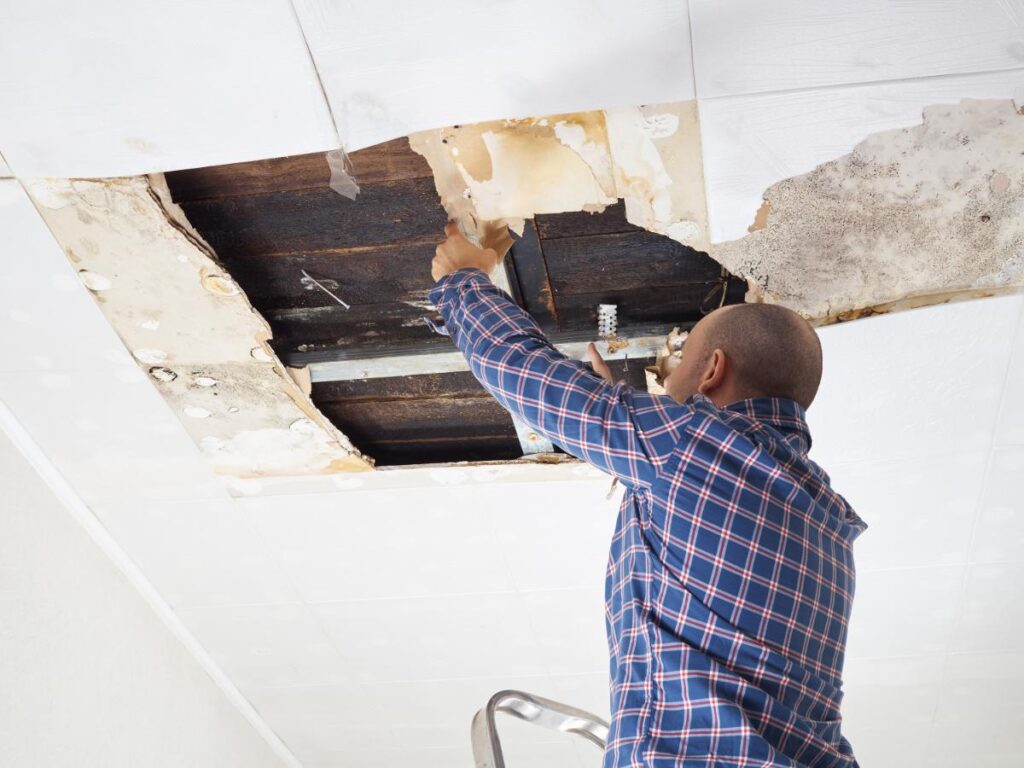
Imagine a home where the walls swell and floors buckle under the weight of water damage. Professional water damage cleanup isn’t just about drying out a space; it’s a meticulous process aimed at restoring safety and integrity. You need to understand what this involves, from initial assessments to specialized techniques. What steps ensure your property can withstand future challenges?
Key Takeaways
- Professional water damage cleanup involves assessing the extent and source of water damage to determine the appropriate response.
- The process includes securing the area, extracting standing water, and drying affected spaces to prevent mold growth.
- Cleanup services utilize specialized equipment, such as dehumidifiers and air movers, for effective restoration.
- Timely response is crucial to mitigate health risks, preserve property integrity, and reduce repair costs.
- Reputable companies are licensed, insured, and experienced, ensuring safe and efficient cleanup and restoration.
Understanding Water Damage and Its Causes
Water damage can occur suddenly or gradually, often catching homeowners off guard. Understanding the main water sources is vital in preventing this issue. Common culprits include burst pipes, leaking roofs, and overflowing appliances.
Each source can lead to different damage categories, which are essential to identify for effective remediation.
There are three primary damage categories: Category 1, which involves clean water from a safe source; Category 2, involving grey water that may contain contaminants; and Category 3, known as black water, which poses serious health risks.
Recognizing the category of water damage helps you determine the appropriate response and necessary cleanup measures.
The Importance of Timely Water Damage Cleanup
When water damage occurs, acting quickly is essential to mitigate health risks from mold and bacteria.
Prompt cleanup helps preserve your property’s structural integrity and can save you significant costs in repairs.
Health Risks Mitigation
Prompt action is essential in mitigating health risks associated with water damage, as prolonged exposure to moisture can quickly lead to mold growth and structural deterioration. You need to prioritize mold prevention and conduct health assessments to safeguard your home and well-being.
Here’s a quick overview of common health risks from water damage:
| Health Risk | Symptoms | Prevention Measures |
|---|---|---|
| Mold Exposure | Allergies, Respiratory Issues | Timely Cleanup, Ventilation |
| Bacteria Growth | Infections, Illness | Regular Inspections |
| Structural Damage | Injury, Collapse Risk | Immediate Repair Work |
Structural Integrity Preservation
Neglecting timely water damage cleanup can lead to severe structural issues in your property.
When water seeps into walls, floors, and foundations, it compromises the structural integrity of your home. A thorough structural assessment is essential to identify compromised areas before they worsen.
If left untreated, even minor damage can escalate into significant problems, such as mold growth and weakened supports.
Cost Efficiency Benefits
Timely water damage cleanup protects your property and saves you money in the long run. By addressing issues immediately, you reduce the risk of extensive damage that could lead to costly repairs.
A thorough cost analysis reveals that prompt action often results in lower overall expenses, especially when it comes to mold remediation and structural repairs. Additionally, insurance considerations play an essential role; many policies require timely reporting and cleanup to cover damages fully.
Delaying restoration efforts can result in denied claims or reduced coverage. Ultimately, investing in professional cleanup services now can greatly decrease your financial burden later, ensuring peace of mind and a secure living environment.
Steps Involved in Professional Water Damage Cleanup
When water damage strikes, understanding the steps involved in professional cleanup can make all the difference in restoring your property efficiently.
First, a thorough damage assessment is essential; professionals evaluate the extent of the water damage and identify the source. This assessment helps in determining the appropriate cleanup protocols to follow.
Next, the area is secured to prevent further damage and ensure safety.
After that, water extraction begins, using specialized equipment to remove standing water. Once the bulk of the water is gone, technicians focus on drying and dehumidifying the affected areas. This step is critical to prevent mold growth.
Finally, professionals will clean and sanitize the affected surfaces, restoring your property to a safe and healthy condition.
Equipment Used in Water Damage Restoration
When tackling water damage restoration, having the right equipment is vital.
You’ll encounter various types of restoration tools, effective drying techniques, and essential safety gear that ensure a thorough and safe cleanup.
Understanding these components will enhance your approach to managing water damage effectively.
Types of Restoration Equipment
As effective water damage restoration hinges on the right tools, understanding the types of restoration equipment is fundamental for successful cleanup.
You’ll encounter various dehumidifier types, including refrigerant and desiccant models, each tailored to specific humidity levels and spaces.
Extraction methods play an important role, too; you’ll use portable extractors or truck-mounted systems to remove standing water efficiently.
Additionally, air movers help circulate air and speed up drying processes.
It’s essential to choose the right equipment for your situation to ensure thorough restoration.
By familiarizing yourself with these tools, you’ll enhance your restoration efforts and build confidence in handling water damage scenarios effectively.
Your ability to select the right equipment will greatly impact the outcome.
Drying Techniques and Tools
To effectively combat water damage, employing the right drying techniques and tools is essential.
First, moisture detection tools help identify hidden water sources, ensuring you target the problem areas. After pinpointing these spots, you can utilize various drying methods.
Air movers, for instance, increase airflow, greatly speeding up evaporation. Dehumidifiers work alongside these fans, removing excess moisture from the air and surfaces.
For more complex situations, you might employ heat drying methods, which elevate temperatures to enhance evaporation rates.
Combining these techniques ensures thorough drying and prevents mold growth and further damage.
Safety Equipment Essentials
Effective water damage restoration requires the right drying techniques and the proper safety equipment. When dealing with water-damaged areas, you must prioritize your safety.
Start with protective gear, including gloves, goggles, and masks, to shield yourself from contaminants. Waterproof boots are essential for traversing wet environments safely.
Adhering to safety protocols is vital; make certain your workspace is free from electrical hazards before entering. Use moisture meters to assess the extent of the damage without compromising your safety.
It’s also wise to have first-aid supplies on hand in case of emergencies. By equipping yourself with the right safety gear and following established protocols, you can protect yourself while effectively restoring water-damaged spaces.
Choosing the Right Water Damage Cleanup Company
How do you find the right water damage cleanup company when disaster strikes? Start by researching companies with a solid reputation. Look for those that have been in business for several years, as longevity often indicates reliability.
Next, read service reviews to gauge customer satisfaction. Pay attention to comments about promptness, professionalism, and thoroughness—these factors are critical during a stressful time.
Ensure the company you choose is licensed and insured, protecting you from potential liabilities. Ask for references and don’t hesitate to contact them to inquire about their experiences.
A good company will provide a detailed assessment and transparent pricing upfront. Finally, consider their response time; a swift response can minimize damage and save you money in the long run.
Preventative Measures After Water Damage Cleanup
After choosing the right water damage cleanup company, your focus should shift to implementing preventative measures.
Start with regular preventive maintenance on your plumbing and appliances to catch leaks before they escalate. Inspect your roof, gutters, and downspouts to ensure proper drainage, preventing water from pooling and causing damage.
Moisture control is essential; use dehumidifiers in damp areas to maintain ideal humidity levels.
Invest in waterproof barriers for basements and crawl spaces. Ascertain proper ventilation in high-moisture areas like bathrooms and kitchens to reduce condensation and mold growth.
Frequently Asked Questions
How Can I File an Insurance Claim for Water Damage?
To file an insurance claim for water damage, gather your claim documentation, including photos and repair estimates. Submit your claim through the insurance process, ensuring you follow the guidelines provided by your insurer.
Will My Home Smell After Professional Water Damage Cleanup?
After professional cleanup, effective odor removal and moisture control techniques can minimize any smells, ensuring your home feels fresh and welcoming again.
Can I Stay in My Home During the Cleanup Process?
You might not want to stay in your home during the cleanup process. Cleanup safety often requires addressing hazardous conditions, and it’s best to prioritize your health over comfort until the environment is safe again.
What Is the Average Cost of Water Damage Cleanup?
The average cost of water damage cleanup varies based on cost factors like the extent of damage and the cleanup methods used. Typically, you might expect expenses ranging from a few hundred to several thousand dollars.
How Long Does Professional Water Damage Cleanup Typically Take?
Professional water damage cleanup typically takes a few days, depending on the extent of damage. The drying process is essential, often requiring specialized equipment to expedite cleanup duration and ensure your space is safe again.
Wrap-Up
Professional water damage cleanup is essential for restoring your property and preventing long-term issues. For instance, consider a homeowner who faced extensive flooding after a burst pipe. They quickly called in a professional team, who assessed the damage, extracted water, and dried the area. This swift action saved their home from mold and minimized repair costs. By understanding and addressing water damage promptly, you protect your investment and ensure a safer living environment.