
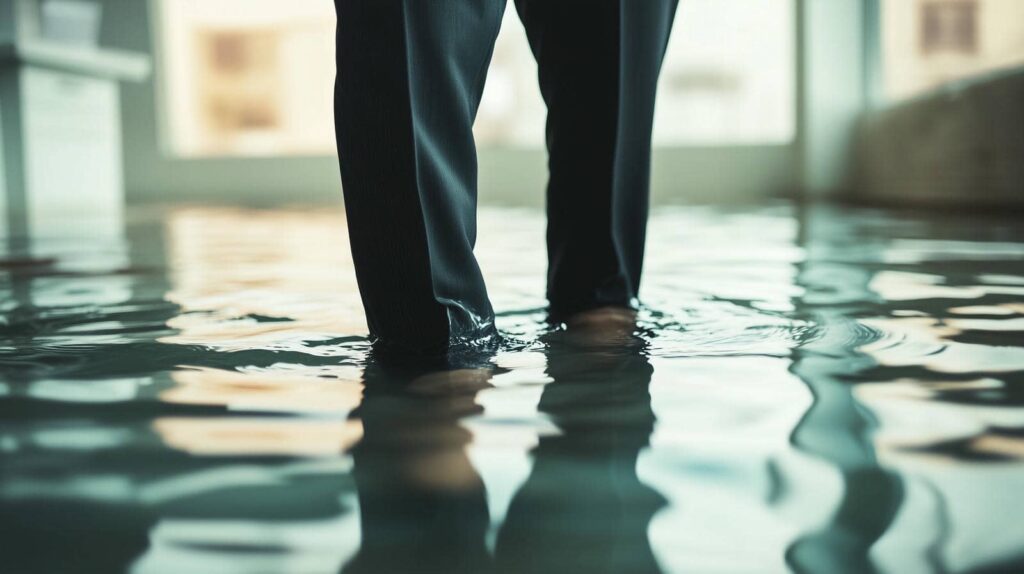
Understanding professional water damage cleanup for offices is essential for maintaining a safe and functional workspace. This process involves precise assessment, effective water removal, and thorough restoration to prevent long-term issues. What specific steps should you expect in a professional cleanup, and how can they safeguard your business against future incidents?
Key Takeaways
- Professional water damage cleanup involves assessing and repairing damage to walls, flooring, and furniture caused by water intrusion.
- Experts use specialized equipment like water extraction machines and industrial dehumidifiers to efficiently remove water and promote drying.
- The process includes addressing mold growth and filing insurance claims to cover restoration costs.
- Quick response is essential to minimize repair costs and maintain a safe work environment for employees.
- Regular inspections and preventative measures can help identify issues early and protect the office from future water damage.
Understanding Water Damage in Office Environments
When water damage occurs in office environments, it can lead to significant disruptions and costly repairs if not addressed promptly. Understanding the common water sources is essential for prevention.
Leaky office plumbing, broken pipes, or malfunctioning appliances can introduce unwanted moisture into your workspace. Identifying these potential hazards allows you to take proactive measures.
Regular inspections of your plumbing systems can help detect issues before they escalate. Be aware of water stains on ceilings or walls and monitor humidity levels, as these can indicate underlying problems.
Ascertain that your employees know how to report leaks immediately, fostering a culture of vigilance.
The Importance of Prompt Water Damage Cleanup
Prompt water damage cleanup is vital to minimizing the impact on your office environment. When water damage occurs, it can rapidly compromise the integrity of your workspace, leading to structural issues, mold growth, and health hazards. Acting quickly ensures that you mitigate these risks and maintain office safety.
The longer you wait to address water damage, the more severe the consequences can become. Delayed cleanup may result in increased repair costs and extended downtime, disrupting your business operations. By prioritizing prompt action, you protect your physical assets and foster a safe, healthy environment for your employees.
Engaging professional services for water damage cleanup helps ensure that all affected areas are thoroughly addressed. They employ specialized equipment and techniques to restore your office efficiently, reinforcing your commitment to a secure workplace.
Don’t underestimate the importance of immediate action; it’s vital for your office’s longevity and overall well-being.
Signs of Water Damage in Commercial Spaces
Recognizing the signs of water damage in commercial spaces is essential for maintaining a safe and functional work environment. One of the most common indicators is the presence of water stains on ceilings, walls, or floors. These discolorations often signal underlying moisture issues that need immediate attention.
Additionally, you should be on the lookout for mold growth, which can develop in damp areas and pose serious health risks to employees. Musty odors are another red flag; if you notice an unusual smell, it may indicate hidden water damage.
Pay attention to warped or buckled flooring, as this can also suggest prolonged exposure to moisture. Finally, check for peeling paint or wallpaper, which can indicate water infiltration. By staying vigilant for these signs, you can help ensure a healthier and safer workspace for everyone involved.
Initial Steps in Water Damage Assessment
After identifying the signs of water damage in your office, the next step is to conduct a thorough assessment.
Begin with water source identification; pinpoint where the moisture is coming from, whether it’s a leaky roof, burst pipes, or a faulty appliance. This essential step helps you understand the ongoing risk and guides your cleanup efforts.
Next, perform a damage impact evaluation. Inspect affected areas to determine the extent of the damage—check walls, flooring, and furniture for structural integrity and potential mold growth.
Documenting this information is important for insurance claims and future prevention strategies.
Involve your team in this process, as their insights can prove invaluable.
Professional Equipment Used in Water Damage Cleanup
Effective water damage cleanup relies heavily on specialized equipment designed to tackle various aspects of the restoration process.
You’ll find that professional teams utilize powerful water extraction machines, which efficiently remove standing water from affected areas. These machines are essential in minimizing further damage and facilitating drying.
Moisture detection tools, like infrared cameras and hygrometers, play a significant role too. They help identify hidden moisture pockets within walls, floors, and ceilings, ensuring that no dampness remains that could lead to mold growth.
Additionally, industrial-grade dehumidifiers and air movers are employed to expedite the drying process, creating an environment that promotes effective restoration.
The Water Extraction Process
When addressing water damage, your first step is conducting an initial assessment to identify the extent and source of the water.
You’ll then utilize specialized equipment, such as pumps and vacuums, to remove the standing water efficiently.
Finally, thorough drying techniques are critical to prevent further damage and mold growth.
Initial Assessment Steps
Although water damage can disrupt business operations, conducting an initial assessment is essential for an effective extraction process.
Start with an initial evaluation to identify the extent of the damage. This involves inspecting affected areas and determining the source of the water intrusion. Documenting the damage thoroughly is imperative; take photos and note the type of materials affected, as this will be critical for insurance claims and future repairs.
You’ll want to assess any potential hazards, including electrical issues or structural instability. Engaging with a professional team during this phase ensures no detail is overlooked, paving the way for a successful water extraction and minimizing further disruptions to your business.
Accuracy in this stage sets the foundation for effective recovery.
Specialized Equipment Utilization
To ensure a thorough water extraction process, the use of specialized equipment is essential. High-powered pumps and vacuums effectively remove standing water from your office space, minimizing damage.
Advanced drying technology, such as industrial dehumidifiers and air movers, accelerates the drying process, ensuring that moisture doesn’t linger and cause further issues.
Additionally, moisture detection devices play a critical role in identifying hidden pockets of water within walls and flooring, preventing mold growth and structural damage.
When you rely on professional services, you’re ensuring that every aspect of water extraction is handled with precision, ultimately safeguarding your office environment.
This investment protects your property and fosters a sense of security and well-being for your team.
Thorough Drying Techniques
After the initial water extraction, thorough drying techniques are implemented to eliminate any remaining moisture. This process utilizes advanced drying equipment, such as high-velocity air movers and dehumidifiers, which work in tandem to expedite evaporation.
You’ll notice that moisture control is essential in preventing mold growth and structural damage. Technicians will strategically position equipment to ensure ideal airflow throughout your office space, addressing areas that may retain moisture, such as carpets and walls.
Regular monitoring of humidity levels helps gauge the effectiveness of the drying process. By committing to these thorough drying techniques, you protect your workspace and foster a healthy environment for your team, making sure everyone feels secure and comfortable in their surroundings.
Drying and Dehumidification Techniques
When dealing with water damage in an office, employing effective drying and dehumidification techniques is essential to prevent further structural damage and mold growth.
Start by evaluating the extent of moisture present. Utilize high-capacity air movers to enhance air circulation, promoting faster evaporation of water from surfaces. This step is critical for moisture control, as stagnant air can hinder the drying process.
Next, deploy commercial dehumidifiers to extract excess humidity from the air. These machines work efficiently to maintain ideal humidity levels, greatly reducing the risk of mold development.
Verify that you monitor humidity regularly during this process, adjusting equipment as necessary to maintain effective moisture control.
Finally, consider using thermal imaging technology to identify hidden moisture pockets. This proactive approach can help you address potential issues before they escalate, ensuring a safer and healthier office environment for everyone involved.
Restoration and Repair Following Water Damage
Once you’ve completed the drying and dehumidification process, the next critical step involves restoration and repair following water damage. This phase ensures your office returns to its original state and minimizes further disruptions.
You’ll want to take into account the following office restoration techniques:
Assess Damage: Evaluate all affected areas, including walls, flooring, and furniture.
Replace Materials: Remove and replace damaged drywall, carpeting, or insulation as needed.
Mold Remediation: Address any mold growth promptly to ensure a safe environment.
Water Damage Insurance: File claims with your insurance provider to cover restoration costs.
Preventative Measures for Future Water Damage
Restoration and repair can restore your office to its original state, but preventing future water damage is equally important. Implementing effective waterproofing strategies is crucial for safeguarding your workspace.
Consider installing sump pumps, sealing basement walls, and using waterproof materials in vulnerable areas. These proactive measures reduce the risk of water intrusion during heavy rains or flooding.
Additionally, conducting routine inspections can help identify potential issues before they escalate. Regularly check for leaks in plumbing, inspect roofs for damage, and verify that gutters are clear and functioning properly.
Create a schedule for these inspections to maintain consistency.
Involving your team in these efforts fosters a culture of awareness and responsibility, making everyone part of the solution. By prioritizing waterproofing and routine inspections, you protect your assets and create a safe, welcoming environment for your employees and clients.
Frequently Asked Questions
How Much Does Professional Water Damage Cleanup Typically Cost?
The cost of professional water damage cleanup typically ranges from $1,000 to $5,000. Cleanup pricing varies based on cost factors like the extent of damage, materials needed, and labor involved in restoring your space effectively.
Will My Insurance Cover Water Damage Cleanup Expenses?
Will your insurance cover water damage cleanup expenses? It depends on your insurance policies and their coverage limits. Review your policy details, and don’t hesitate to contact your provider for clarification on specific coverage options.
How Long Does the Entire Cleanup Process Usually Take?
The cleanup duration typically ranges from a few hours to several days, depending on damage severity. A thorough restoration timeline ensures that all areas are addressed, preventing mold growth and ensuring your space is safe and functional.
Can I Stay in the Office During the Cleanup?
You shouldn’t stay in the office during the cleanup. Office safety is a priority, and cleanup protocols often require restricted access to ensure a safe environment while professionals address the water damage effectively.
What Should I Do Immediately After Discovering Water Damage?
Once you spot water damage, act fast! Call for emergency response, shut off utilities, and document the damage. Start mitigation steps by removing excess water and protecting belongings to prevent further harm.
Summary
Professional water damage cleanup for offices is essential for maintaining a safe and productive work environment. Just as a well-oiled machine runs smoothly, timely intervention can prevent extensive damage and costly repairs. By understanding the signs of water damage and utilizing specialized equipment, you can ensure your office is restored efficiently. Taking preventative measures will help safeguard your workspace, ensuring it remains a healthy place for employees to thrive.