
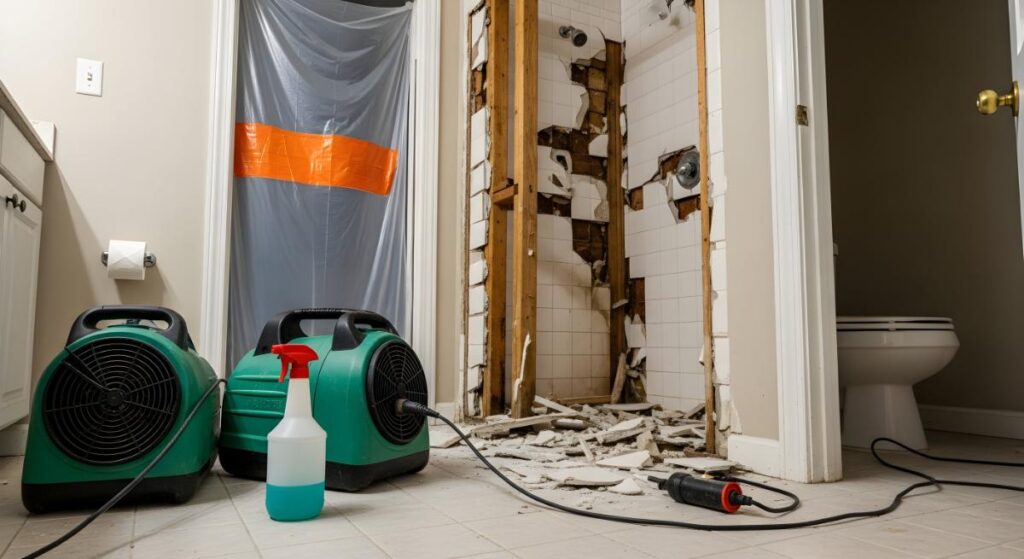
When it comes to protecting your home from water damage, choosing top water mitigation strategies is vital. Effective methods minimize costly repairs and also safeguard your health by preventing mold growth. Understanding the impact of water intrusion and the importance of timely intervention can make a significant difference. As you explore various approaches, you’ll discover essential techniques that can transform your home’s resilience against water-related issues.
Key Takeaways
- Top water mitigation strategies minimize damage from leaks and floods, preserving home integrity and reducing repair costs.
- Timely intervention prevents mold growth and health risks, ensuring a safe living environment for homeowners.
- Professional expertise in water mitigation provides comprehensive assessments and advanced techniques for effective damage control.
- Effective water mitigation strategies assist with insurance claims, easing homeowner stress during recovery.
- Regular maintenance and preventative measures help avoid future water damage incidents, safeguarding home value and stability.
Understanding Water Damage and Its Impact on Homes
When you experience water damage in your home, it can lead to serious structural issues and health risks if not addressed promptly. Understanding the various water sources—such as burst pipes, roof leaks, and flooding—helps you identify potential threats.
Each of these damage types can affect different areas of your home, creating a range of concerns from mold growth to weakened foundations. For instance, a leaky roof might cause ceiling damage and promote mold, while flooding can saturate your floors and walls, leading to rotting materials.
Being aware of these risks allows you to take proactive steps to protect your home and your family. It’s vital to assess the damage quickly and determine the right course of action to prevent further deterioration.
The Importance of Timely Water Mitigation
Timely water mitigation is essential for preventing structural damage to your home.
Acting quickly can greatly reduce mold growth, which poses health risks and further damages your property.
Additionally, addressing water issues promptly minimizes repair costs, saving you money in the long run.
Prevent Structural Damage
Though water damage might seem minor at first, taking swift action is crucial to prevent significant structural issues in your home.
Ignoring even small leaks can compromise your foundation stability, leading to costly repairs down the road. Water infiltrating your walls, floors, or ceilings can weaken structural integrity, causing beams to warp or floors to sag.
This jeopardizes your home’s safety and diminishes its value. By addressing water issues promptly, you help ensure that your home remains a secure and welcoming environment for you and your family.
Implementing effective water mitigation strategies can safeguard your investment and maintain the comfort of your living space.
Don’t underestimate the importance of acting quickly to protect your home from water-related threats.
Reduce Mold Growth
Since water damage can create a perfect environment for mold growth, addressing moisture issues promptly is crucial for maintaining a healthy home. Quick action aids in mold prevention and ensures effective moisture control. Here’s a brief overview of the critical steps you can take to mitigate mold risks:
| Action | Purpose | Frequency |
|---|---|---|
| Inspect for leaks | Identify moisture sources | Monthly |
| Use dehumidifiers | Reduce humidity levels | During humid seasons |
| Confirm proper ventilation | Improve air circulation | Daily |
| Clean gutters | Prevent water pooling | Biannually |
| Monitor indoor humidity | Maintain ideal levels | Weekly |
Minimize Repair Costs
Addressing moisture issues promptly prevents mold growth and considerably impacts repair costs.
By acting quickly, you can save on extensive repairs and possibly enhance your insurance coverage. Here are key factors to take into account in your cost analysis:
Early Detection: Identifying leaks or water damage can prevent larger problems.
Professional Help: Hiring experts can ensure effective mitigation and avoid DIY mistakes.
Insurance Claims: Prompt action can improve your chances of a successful claim.
Material Preservation: Timely intervention protects structures and materials from deterioration.
Long-term Savings: Reducing future damage leads to lower overall costs.
Investing in timely water mitigation protects your home and strengthens your financial position.
Effective Emergency Water Extraction Techniques
When water damage strikes, your immediate response actions are vital for minimizing loss.
Utilizing the right equipment and tools can expedite the extraction process, while professional expertise ensures thorough and effective results.
Understanding these techniques will empower you to tackle emergencies with confidence.
Immediate Response Actions
Although water damage can escalate quickly, taking immediate action can greatly mitigate its effects. Your emergency response should focus on immediate measures to reduce damage and ensure safety.
Here’s what you can do right away:
- Turn off the electricity to affected areas.
- Identify and stop the source of the water intrusion.
- Remove any valuables or important documents from the affected area.
- Use towels or mops to soak up excess water.
- Ventilate the space by opening windows and doors.
These steps are essential for minimizing damage while you await professional help. Acting promptly protects your property and fosters a sense of community as you take charge of the situation.
Your proactive approach makes a significant difference.
Equipment and Tools
Effective emergency water extraction relies on utilizing the right equipment and tools to quickly remove standing water and prevent further damage. Having access to high-quality water extraction and drying equipment can make all the difference in mitigating water-related issues in your home.
Here’s a quick overview of essential tools:
| Equipment | Purpose |
|---|---|
| Submersible Pumps | Remove large volumes of water |
| Wet/Dry Vacuums | Extract water from carpets |
| Dehumidifiers | Reduce humidity for faster drying |
| Air Movers | Circulate air to speed up drying |
Professional Expertise Benefits
Having access to professional expertise can greatly enhance your emergency water extraction efforts, as trained specialists are equipped with advanced techniques and knowledge.
By relying on these experts, you ensure effective water removal and minimize potential damage to your home.
Here’s how expert advice from trained professionals benefits you:
Rapid Response: They act quickly to mitigate damage.
Advanced Techniques: Specialists use proven methods for effective extraction.
Comprehensive Assessment: Professionals evaluate all affected areas, ensuring nothing is overlooked.
Preventative Measures: They provide guidance on preventing future issues.
Insurance Support: Experts often assist with claims, easing your stress.
With their skills and tools, you can rest assured that your home will be restored efficiently and effectively.
Essential Steps for Residential Water Damage Cleanup
When faced with water damage in your home, acting quickly is essential to minimize further issues and ensure effective cleanup. Start with a thorough damage assessment to identify the extent of the problem. This helps prioritize your next steps. Next, initiate water removal to prevent mold growth and structural damage.
Here’s a quick reference table to guide you through the cleanup process:
| Step | Action | Notes |
|---|---|---|
| Damage Assessment | Inspect affected areas | Look for hidden moisture |
| Water Removal | Use pumps and wet vacuums | Ascertain complete extraction |
| Drying | Utilize fans and dehumidifiers | Monitor humidity levels |
Following these essential steps ensures that you tackle water damage effectively, fostering a sense of belonging and safety in your home. Don’t hesitate to reach out for professional help if the situation escalates.
Basement Flood Restoration Best Practices
Though basement floods can be overwhelming, following best practices for restoration can greatly reduce damage and restore your space efficiently.
Start by ensuring you have flood insurance to protect your investment. After a flood, act quickly to minimize damage.
- Turn off the electricity to prevent hazards.
- Remove standing water using a sump pump to expedite the drying process.
- Dry out the space using fans and dehumidifiers to prevent mold growth.
- Inspect for structural damage to walls and foundations to address issues promptly.
- Clean and disinfect all surfaces to eliminate contaminants.
Choosing the Right Water Mitigation Services
After dealing with the immediate aftermath of a basement flood, selecting the right water mitigation services is critical to ensuring long-term recovery and prevention.
Start with a thorough water damage assessment to understand the extent of the damage. This evaluation should cover structural integrity, affected materials, and potential mold growth.
Next, when considering mitigation service selection, look for companies with proven expertise, certifications, and positive customer reviews. They should offer a detailed approach, including water extraction, drying, and restoration.
Make sure they use advanced equipment and techniques to effectively manage the situation. Additionally, inquire about their response time and availability, as prompt action can greatly reduce damage.
Preventative Measures to Avoid Future Water Damage
To effectively prevent future water damage, homeowners must implement a combination of proactive measures and regular maintenance.
By focusing on moisture control and ensuring your drainage systems function optimally, you can significantly reduce the risk of water intrusion.
Here’s what you can do:
- Inspect and maintain gutters and downspouts regularly to ensure proper water flow.
- Install or repair drainage systems to divert water away from your foundation.
- Seal cracks in walls and foundations to prevent moisture entry.
- Use dehumidifiers in areas prone to high humidity, like basements.
- Conduct routine checks for leaks in plumbing and appliances.
Frequently Asked Questions
How Can I Identify Hidden Water Damage in My Home?
To identify hidden water damage, check for water stains on walls and ceilings, and inspect for mold growth in damp areas. Pay attention to musty odors, as they can indicate underlying moisture issues that need addressing.
What Insurance Policies Cover Water Damage Mitigation?
Most homeowner coverage includes water damage mitigation, but it’s essential to check your policy for specific mitigation limits. Understanding these details ensures you’re adequately protected against unexpected water damage expenses. Always review your coverage regularly.
How Long Does It Take to Dry Out a Water-Damaged Area?
Drying out a water-damaged area typically takes 3 to 7 days, depending on drying techniques and thorough moisture assessment. Quick action greatly reduces the risk of mold and further damage, ensuring your space stays safe and healthy.
Are DIY Water Mitigation Methods Effective?
DIY water mitigation methods can be effective, but they also carry homeowner risks. Without proper knowledge and equipment, you might miss hidden moisture, leading to mold growth and further damage. Always assess your capabilities before proceeding.
What Are the Costs Associated With Professional Water Mitigation Services?
Water damage can cost homeowners an average of $3,000 in repairs. Professional mitigation costs typically range from $1,500 to $5,000, depending on the severity, ensuring you effectively address the issue and prevent future damage.
Summary
Prioritizing top water mitigation strategies is vital for safeguarding your home from the devastating impacts of water damage. By acting swiftly, utilizing effective extraction techniques, and seeking professional help, you can protect your property and health like a superhero defending against disaster. Don’t underestimate the importance of preventative measures; they can save you from future headaches and costly repairs. Stay proactive, and ensure your living space remains safe and comfortable for you and your family.