
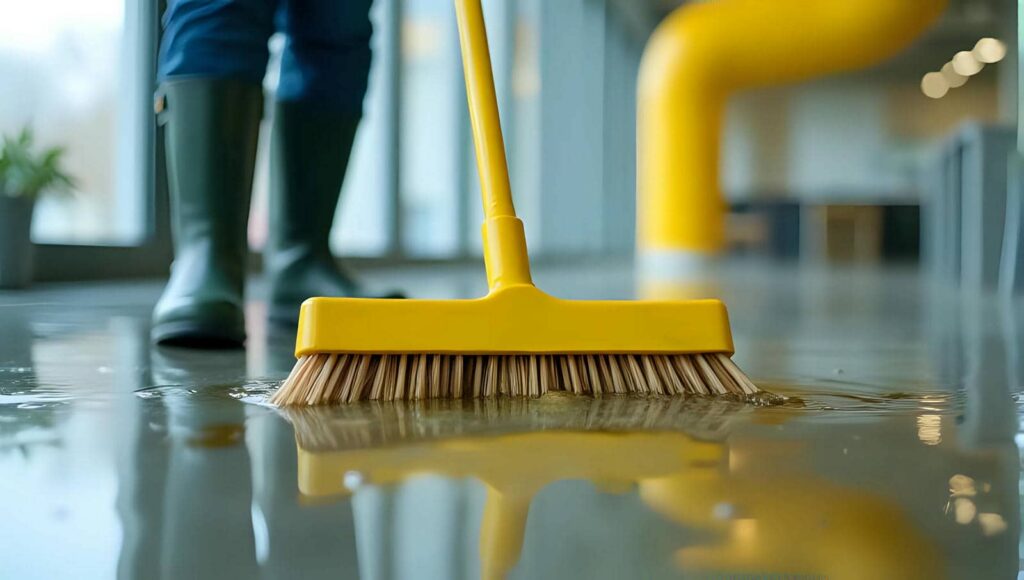
When faced with water damage, you might underestimate the importance of following remediation best practices. Acting swiftly can greatly reduce structural harm and health risks from mold, which can sprout in as little as 24-48 hours. Implementing safety precautions protects you from hidden hazards, while proper documentation can streamline your insurance claims. Understanding the steps involved in effective remediation is crucial, but the real question is: what specific actions should you take to ensure long-term safety and prevention?
Key Takeaways
- Following best practices minimizes structural damage and health risks associated with mold growth after water exposure.
- Immediate response reduces restoration costs and prevents further loss of personal belongings.
- Safety protocols protect individuals from electrical hazards and contaminated water during cleanup.
- Proper documentation ensures successful insurance claims and adequate compensation for damages.
- Engaging professionals ensures effective remediation techniques tailored to specific types of damage.
Understanding Water Damage Types
Water damage can be classified into three main categories, each with distinct characteristics and implications for remediation. The first type is flood damage, often resulting from heavy rainfall or overflowing rivers, which can lead to significant structural issues.
Next, sewage backup presents serious health risks due to water contamination, making immediate attention vital. Storm damage can cause roof leaks, exposing your home to further moisture intrusion.
The second category includes appliance leaks and burst pipes, common issues that can lead to extensive water damage if not addressed promptly.
Finally, groundwater intrusion typically occurs during heavy rainfall, leading to damp basements and potential mold growth.
Understanding these types of water damage—whether it’s from storm impacts, sewage issues, or appliance failures—helps you identify the necessary remediation steps to protect your home and ensure your family’s safety.
Importance of Immediate Response
When dealing with water damage, acting quickly is essential to minimize both structural harm and health risks.
An immediate response can make all the difference. Timely action preserves your property and helps safeguard your loved ones.
Consider the potential consequences of delay:
- Mold growth within 24-48 hours
- Structural weakening of walls and floors
- Damage to electrical systems
- Loss of personal belongings
- Increased restoration costs
Safety Precautions During Remediation
When you’re tackling water damage remediation, prioritizing safety is essential.
Make certain you’re equipped with the right personal protective equipment, stay alert to electrical hazards, and handle contaminated water with care.
These precautions protect you and ensure a more efficient remediation process.
Personal Protective Equipment
Although remediation can be a complex process, prioritizing personal protective equipment (PPE) is essential for ensuring safety during water damage cleanup.
Using the right protective gear keeps you safe and aligns with established safety protocols.
Here are five key items to include:
- N95 respirators to filter out harmful particles
- Gloves to protect your hands from contaminants
- Goggles to shield your eyes from irritants
- Waterproof boots to keep your feet dry and safe
- Coveralls to prevent skin exposure to hazardous materials
Electrical Hazard Awareness
Understanding electrical hazards is essential during water damage remediation, as water and electricity can create dangerous conditions that lead to serious injuries or fatalities.
To ensure electrical safety, always start by identifying potential hazards. Before entering a water-damaged area, check for downed power lines and verify that the electricity is turned off at the circuit breaker.
Use insulated tools and wear rubber-soled boots to further protect yourself. Regularly inspect for any signs of damaged wiring or equipment, and never assume a circuit is safe without testing.
Clear communication with your team about these hazards fosters a culture of safety and awareness. By prioritizing hazard identification and electrical safety, you can confidently proceed with remediation while minimizing risks.
Contaminated Water Handling
After ensuring electrical safety, the next critical step in water damage remediation involves handling contaminated water.
It’s crucial to recognize the risks associated with contaminated water sources, and you must take safety precautions seriously.
Here are some key practices to follow:
- Wear proper personal protective equipment (PPE), including gloves and masks.
- Identify and assess the type of contamination present.
- Use designated containers for safe disposal methods.
- Sanitize affected areas thoroughly after water removal.
- Follow local regulations regarding hazardous waste disposal.
Assessing the Extent of Water Damage
When you face water damage, accurately evaluating its extent is essential for effective remediation. Start with a thorough water damage assessment, checking all affected areas, including walls, floors, and ceilings. Look for visible signs like discoloration, warping, or mold, as these indicators help gauge the severity of damage.
Don’t forget to examine hidden spaces, such as behind appliances and under carpets, where moisture can linger unnoticed. Use moisture meters to measure levels in materials, giving you a clearer picture of how deeply the water has penetrated.
Document your findings meticulously, as this information is imperative for insurance claims and ensuring a detailed approach to the remediation process.
Effective Water Removal Techniques
Once you’ve assessed the extent of water damage, the next step is to implement effective water removal techniques to mitigate further issues.
Utilizing proper water extraction methods is essential in preventing mold growth and structural damage. Here are some techniques to keep in mind:
- Submersible pumps for large pools of water
- Wet vacuums to clean up smaller areas
- Squeegees for hard surfaces
- Dehumidifiers to aid in moisture detection
- Air movers to enhance airflow
Each method plays an important role in ensuring thorough moisture removal.
Be sure to monitor the affected areas continuously, as lingering moisture can lead to future complications.
By following these effective techniques, you’ll create a safer, healthier environment for everyone involved.
Drying and Dehumidification Methods
Once you’ve removed the water, effective drying techniques are essential to prevent further damage.
You’ll want to contemplate various dehumidification equipment options to efficiently eliminate moisture from the air and surfaces.
Selecting the right methods and tools can markedly impact the overall success of your remediation efforts.
Effective Drying Techniques
Effective drying techniques are essential in water damage remediation to prevent further complications like mold growth and structural damage.
By conducting a thorough moisture assessment, you can determine the best drying equipment for your situation.
Here are some effective drying techniques to take into account:
- Air movers: They increase airflow and speed up evaporation.
- Dehumidifiers: These remove excess moisture from the air.
- Heat sources: Applying warmth can enhance drying rates.
- Water extraction: Use pumps or vacuums to remove standing water.
- Surface drying: Employ towels or mops to soak up residual moisture.
Utilizing these techniques effectively will help safeguard your property and ensure a swift recovery.
Dehumidification Equipment Options
As you navigate the complexities of water damage remediation, choosing the right dehumidification equipment is essential for achieving ideal drying results.
Understanding various dehumidifier types can greatly enhance your moisture control efforts. For smaller spaces, refrigerant dehumidifiers effectively extract moisture by cooling air, while desiccant dehumidifiers excel in low-temperature environments.
If you’re dealing with extensive damage, consider industrial-grade options that offer higher capacities and faster drying times. Each type has its unique benefits, so assess your specific needs carefully.
Remember, effective moisture control prevents further damage and safeguards your health and property.
Mold Prevention Strategies
Although mold is a common consequence of water damage, you can implement several strategies to prevent its growth and protect your property. Effective moisture control is essential for stopping mold spores from settling and thriving.
Here are some practical steps you can take:
Ensure proper ventilation in your home, especially in humid areas like bathrooms and kitchens.
Fix leaks promptly to eliminate sources of moisture that can encourage mold growth.
Use mold-resistant products during construction or renovations to enhance your property’s defenses.
Regularly inspect and clean gutters to prevent water from accumulating near your foundation.
Maintain indoor humidity levels below 60% with dehumidifiers, especially in damp climates.
Repairing Structural Damage
When water damage occurs, addressing structural damage promptly is essential to ensure the safety and integrity of your property. Ignoring this issue can lead to severe consequences, including compromised structural integrity that puts you and your loved ones at risk.
Begin by evaluating the affected areas; look for warped beams, weakened foundations, or compromised walls. Utilizing effective repair techniques, such as reinforcing with steel supports or replacing damaged wood, can restore stability.
Ensure proper drying of the structure to prevent future issues like mold growth. Engage professionals when necessary, as they’ve the expertise to implement the best repair techniques tailored to your situation.
Documentation for Insurance Claims
Documentation is essential for maneuvering the complexities of insurance claims after water damage. Proper insurance documentation supports your claim submission and ensures you receive the compensation you deserve.
To strengthen your case, make sure to gather the following:
- Photographs of all affected areas and items
- Receipts for any repairs or replacements
- Estimates from repair professionals
- Correspondence with your insurance adjuster
- Detailed descriptions of the damage and losses
When to Seek Professional Help
If you’re facing severe water damage, it’s essential to recognize when to call in the experts.
Mold growth can escalate quickly, posing health risks, and electrical hazards can create dangerous conditions.
Don’t hesitate to seek professional help when these issues arise to ensure a safe and effective remediation process.
Severe Water Damage
While minor water damage can often be addressed with DIY methods, severe cases require immediate professional intervention to prevent further complications.
Recognizing when to seek help can save you time and money in property restoration. Look for these signs of severe water damage:
- Saturated carpets or flooring
- Bubbling or peeling paint and wallpaper
- Warped or buckled walls and ceilings
- Moldy odors or visible mold growth
- Increased humidity levels in your home
If you notice any of these issues, don’t hesitate to reach out to professionals.
They’ve the expertise and tools to handle severe water damage effectively, ensuring your property is restored safely and efficiently.
Prioritize your home’s health and well-being by acting promptly.
Mold Growth Concerns
Mold growth can escalate quickly after water damage, making it essential to act swiftly when you notice signs of infestation.
If you see discoloration on walls or a musty odor, don’t hesitate to investigate further. Mold spores thrive in damp environments, and without proper humidity control, your home can become a breeding ground.
If you’re unsure about the extent of the problem or if mold is spreading rapidly, it’s time to seek professional help. Experts have the tools and knowledge to assess the situation accurately, ensuring a thorough remediation process.
Electrical Hazards Present
When water damage occurs, it’s vital to be aware of potential electrical hazards that may arise in your home. Ignoring these risks can lead to serious injuries or property damage.
When you notice any of the following, it’s time to seek professional help:
- Exposed wiring or outlets
- Water pooling near electrical appliances
- Flickering lights or tripped circuits
- Strange odors emanating from outlets
- Discolored or charred outlets or switches
Prioritizing electrical safety is important during water remediation. A thorough circuit inspection by a qualified professional can ensure your home is safe.
Don’t take chances; it’s better to be cautious and protect your loved ones and property from electrical dangers.
Frequently Asked Questions
How Can I Prevent Water Damage in My Home?
To prevent water damage in your home, implement preventive measures like checking for leaks, maintaining gutters, and ensuring proper drainage. Regular routine maintenance keeps your home safe, secure, and comfortable for you and your family.
What Are the Costs Associated With Water Damage Remediation?
Water damage remediation’s like steering through a stormy sea; costs vary based on damage extent, materials needed, and labor. Understanding these cost factors helps you brace for remediation expenses, ensuring your home’s safe harbor remains intact.
Can I Handle Water Damage Remediation Myself?
You can handle DIY remediation, but prioritize safety precautions. Assess the damage thoroughly, use protective gear, and ensure you have the right equipment. If it feels overwhelming, don’t hesitate to call in professionals for assistance.
How Long Does the Water Damage Remediation Process Take?
The water damage timeline varies, but it typically takes days to weeks. Remediation factors like severity, area affected, and moisture levels influence duration. You’ll appreciate knowing every detail ensures thorough restoration and your peace of mind.
What Insurance Coverage Is Available for Water Damage?
You can obtain flood insurance separately, as most homeowners’ policies don’t cover water damage from floods. Reviewing your policy ensures you’re protected and can help you avoid unexpected costs during a water damage event.
Final Thoughts
Following water damage remediation best practices protects your property, preserves your health, and promotes peace of mind. By understanding the types of water damage, responding swiftly, ensuring safety, thoroughly evaluating the damage, employing effective removal techniques, preventing mold growth, repairing structures properly, and documenting claims, you safeguard both your investment and the well-being of those who occupy the space. Prioritizing these practices is essential for a resilient recovery and a secure living environment.