
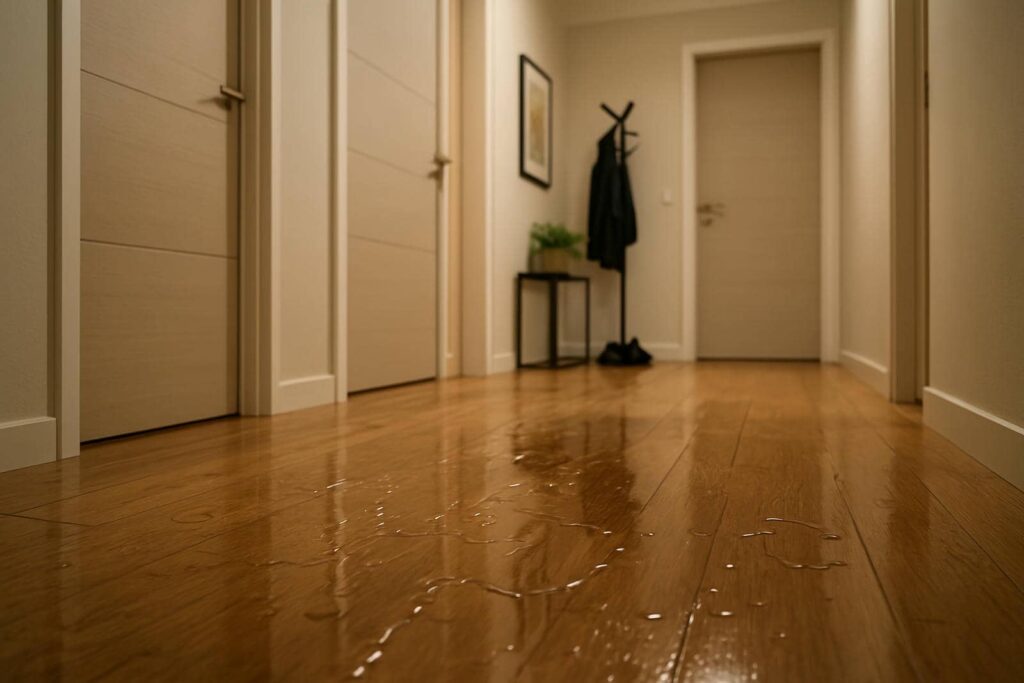
Water damage emergencies happen every single day across the U.S. They often strike without warning, leaving families and businesses facing costly repairs and significant stress. The unpredictable nature of these incidents makes them one of the most challenging property issues to deal with. Without water damage restoration insurance, you might find yourself facing hefty repair bills and potential long-term consequences. Understanding the importance of this coverage is vital, especially when maneuvering through the complexities of claims and potential risks. What should you consider before choosing a policy?
Key Takeaways
- Water damage restoration insurance protects against significant financial burdens caused by unexpected water damage events, ensuring you can afford necessary repairs.
- Adequate coverage provides peace of mind, enabling homeowners to focus on recovery rather than worrying about repair costs.
- Insurance helps cover various water damage types, including clean, gray, and black water, based on the specific policy chosen.
- Quick and efficient claims processing ensures prompt restoration, reducing the risk of further complications like mold growth.
- Understanding policy exclusions and coverage limits can prevent unexpected out-of-pocket expenses during restoration efforts.
Understanding Water Damage and Its Implications
When you think about water damage, it’s essential to recognize its potential to cause significant structural and financial issues. There are several water damage types, including clean water, gray water, and black water, each presenting unique challenges for restoration. Clean water from a burst pipe may be less hazardous, while black water from sewage poses serious health risks.
Understanding these distinctions helps you prioritize appropriate restoration techniques. Effective restoration involves prompt water extraction, drying, and repairs, minimizing long-term damage. Techniques such as dehumidification and mold remediation are vital in preventing further complications.
Knowing the specific type of water damage you’re dealing with can guide you in choosing the right professionals. By comprehending water damage implications, you’re better equipped to make informed decisions about repairs and restoration, ensuring your property remains safe and sound.
Being proactive can save you time, money, and stress in the long run.
The Importance of Having Insurance Coverage
Having adequate insurance coverage is crucial, as it protects you from the financial burdens associated with water damage. Without this coverage, you risk facing substantial out-of-pocket expenses for repairs and restoration.
Understanding the various coverage types available can help you choose the right policy for your needs. For instance, some policies include specific insurance benefits for water damage, while others may focus on broader protections. It’s essential to assess what risks your property faces and select a plan that addresses those vulnerabilities.
Moreover, having thorough insurance provides peace of mind and fosters a sense of community belonging, knowing you’re prepared for the unexpected.
You’ll find that investing in the right coverage types offers long-term financial security, enabling you to recover quickly and efficiently from water-related incidents. Ultimately, proper insurance ensures you can focus on rebuilding rather than worrying about mounting costs.
Common Causes of Water Damage
Water damage can result from various sources, and understanding these causes is essential for effective prevention.
Burst pipes and appliance malfunctions often lead to unexpected leaks, while natural flooding events can overwhelm even the best-prepared homes.
Identifying these risks helps you take proactive measures to protect your property.
Burst Pipes Issues
What causes pipes to burst, leading to significant water damage? Several factors contribute to this issue, and understanding them is crucial for effective pipe maintenance and emergency preparedness.
Here are four common causes:
Temperature Fluctuations: Extreme cold can freeze water inside pipes, causing them to expand and crack.
Corrosion: Aging pipes can weaken over time, making them susceptible to bursts.
High Water Pressure: Excessive pressure can stress pipes, leading to failures.
Improper Installation: Poorly fitted pipes can create weak spots, increasing the risk of bursting.
Natural Flooding Events
Burst pipes can cause significant damage, but natural flooding events present an even greater risk to properties. Flooding can occur due to heavy rainfall, hurricanes, or rapid snowmelt, often overwhelming drainage systems and leading to extensive water damage.
To mitigate this risk, flood preparedness is essential. You should stay informed about weather alerts and have an emergency plan in place. Having flood insurance can also ease the financial burden of repairs and restoration.
In the unfortunate event of flooding, a well-structured disaster recovery plan can help you efficiently navigate the aftermath, ensuring your property is restored swiftly. Understanding these risks empowers you to protect your home and fosters a sense of community among those facing similar challenges.
Appliance Malfunctions Risks
While many homeowners focus on external threats like flooding, appliance malfunctions can also pose significant risks for water damage.
Understanding the common causes of appliance leaks can help you mitigate these malfunction risks:
Worn Hoses: Over time, hoses connected to appliances can degrade and rupture, leading to leaks.
Faulty Seals: Dishwashers and refrigerators often rely on seals that can wear out, resulting in water pooling.
Clogged Drain Lines: If drain lines in washing machines or refrigerators become clogged, they can overflow and cause damage.
Old Appliances: Aging appliances are more prone to failure, increasing the likelihood of water-related issues.
How Insurance Claims Work for Water Damage
How can you navigate the complexities of insurance claims for water damage? Understanding the insurance process is essential for getting the coverage you need. Start by documenting the damage with photos and notes, then notify your insurer promptly. Each claim will typically follow these stages:
| Stage | Action Required | Timeframe |
|---|---|---|
| Initial Report | Contact your insurance company | Within 24 hrs |
| Investigation | Schedule an adjuster visit | 1-2 weeks |
| Claim Assessment | Review damage and estimate costs | 1-2 weeks |
| Approval/Denial | Receive decision on your claim | 1-4 weeks |
| Payment | Receive funds for restoration | Varies |
Factors That Affect Water Damage Insurance Premiums
When you consider water damage insurance premiums, several key factors play a role in determining your costs.
Your property’s location can greatly impact your risk profile, while your claim history may influence your insurer’s perception of your likelihood to file future claims.
Additionally, the coverage limits you choose can directly affect your premium rates, highlighting the importance of understanding these elements in your policy selection.
Property Location Impact
The location of your property greatly influences the premiums you pay for water damage insurance, as various geographic and environmental factors come into play.
Understanding these elements can help you navigate your insurance options effectively. Here are four key factors that impact your premiums:
Flood Zones: Properties in high-risk areas may face higher premiums.
Climate: Regions prone to heavy rainfall or storms can increase your insurance costs.
Property Value: Higher property values often lead to increased premiums due to potential loss.
Local Infrastructure: Areas with poor drainage systems are more susceptible to water damage, affecting rates.
Claim History Considerations
While understanding your claim history is vital for managing water damage insurance premiums, it’s important to recognize how past claims can dramatically influence your rates.
Insurers evaluate both claim frequency and claim severity to determine your risk profile. If you’ve filed multiple claims, the frequency can signal to insurers that you’re more likely to file again, leading to higher premiums.
Similarly, severe claims—those involving extensive damage—can result in significant rate increases. It’s essential to maintain a clean claim history; even small claims can accumulate and affect your overall standing.
Coverage Limits Influence
Your claim history isn’t the only factor that shapes your water damage insurance premiums; coverage limits play a significant role as well. Understanding how these limits interact with your policy can help you make informed decisions.
Here are four key elements to take into account:
Coverage Types: Different types of coverage, like replacement cost versus actual cash value, influence premiums.
Policy Exclusions: Be aware of what’s not covered, as it can affect your overall risk.
Limit Amounts: Higher coverage limits typically result in higher premiums.
Deductibles: A higher deductible can lower your premium, but it’s essential to weigh this against potential out-of-pocket costs during a claim.
Tips for Choosing the Right Water Damage Insurance Policy
How can you ensure that your water damage insurance policy meets your specific needs? Start by evaluating your property and understanding potential risks. Compare different policies and focus on key policy features and coverage options that align with your situation.
| Feature | Considerations |
|---|---|
| Coverage Type | Actual cash value vs. replacement cost |
| Deductibles | Higher deductibles can lower premiums |
| Exclusions | Look for specific exclusions related to water damage |
| Limits of Coverage | Verify limits are adequate for your property value |
Know what’s included and what’s not, and don’t hesitate to ask for clarification. Engaging with a trusted insurance agent can help you navigate complex terms. By being informed, you’ll find a policy that meets your needs and provides peace of mind for your home.
Frequently Asked Questions
What Types of Water Damage Are Typically Covered by Insurance?
Most policies cover flood damage from natural disasters and pipe bursts due to wear and tear. However, specifics vary, so you should review your policy to understand what’s included and any potential exclusions.
How Can I Reduce My Water Damage Insurance Premium?
Like a sturdy dam holding back a flood, you can reduce your water damage insurance premium by implementing effective water damage prevention strategies and conducting an insurance policy comparison to find the best coverage for your needs.
Are There Any Exclusions for Mold Damage in Policies?
Yes, many policies have exclusions for mold coverage, often citing policy limitations related to pre-existing conditions or neglect. It’s essential you review your policy carefully to understand what’s covered and what isn’t regarding mold damage.
Can I Purchase Water Damage Insurance Separately From Homeowners Insurance?
Yes, you can purchase water damage insurance separately from homeowners’ insurance. It’s crucial to explore various insurance options to ensure you’re adequately covered against potential water-related incidents that could impact your property and finances.
What Should I Do Immediately After Experiencing Water Damage?
When water damage strikes, don’t let it drown you in chaos. Immediately assess the situation, shut off the water source, document the damage, and call for emergency response to mitigate further issues and protect your home.
Final Thoughts
Having water damage restoration insurance isn’t just a safety net—it’s an essential investment in your property’s future. With the potential for costly repairs and unforeseen disasters, can you really afford to take the risk of being uninsured? By understanding the nuances of your policy and the common causes of water damage, you can safeguard your home effectively. Don’t leave your financial security to chance; prioritize your insurance coverage today to ensure peace of mind tomorrow.