
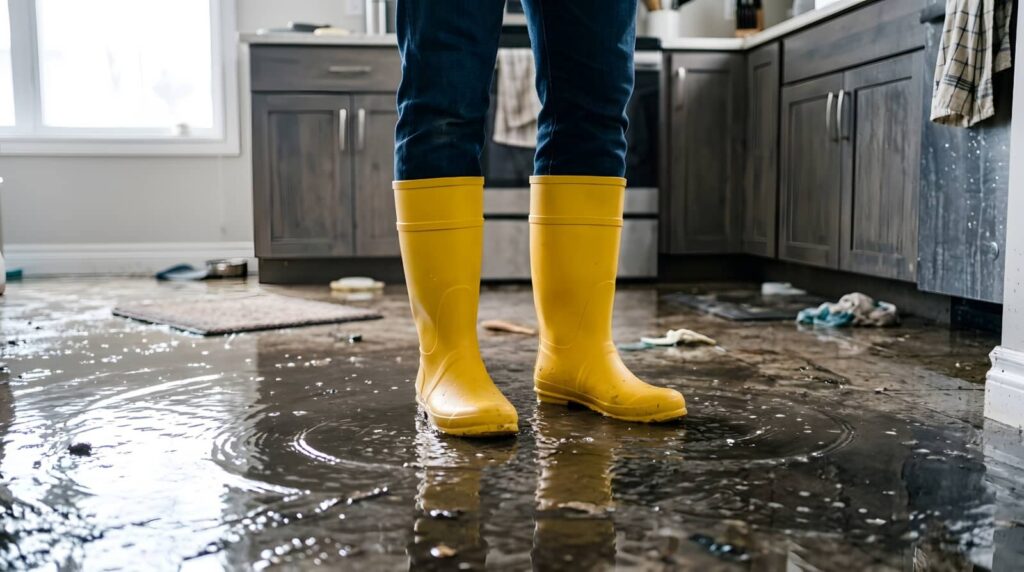
What you may not know is that burst pipe damage can keep spreading long after the water stops. Moisture moves into insulation, subfloors, and wall cavities within minutes, where it weakens materials and creates mold conditions fast. If you don’t shut off water and power correctly, the damage can escalate and cleanup gets more complex. The next steps you take determine whether you contain the loss or face a much larger repair.
Key Takeaways
- Water damage restoration matters because rapid extraction limits saturation and reduces structural damage to floors, walls, insulation, and subfloors.
- Fast cleanup lowers mold growth risk, which can begin within 24 to 48 hours after moisture spreads.
- Professional restoration finds hidden moisture and damage that homeowners often miss behind drywall, flooring, and fixtures.
- Early restoration helps protect indoor safety by addressing contamination risks, musty odors, and unsafe wet electrical conditions.
- Prompt action reduces repair costs by preventing small water intrusions from becoming major structural or plumbing problems.
What to Do Immediately After a Burst Pipe
Act fast when a pipe bursts: shut off your home’s main water supply immediately, then cut power to any affected areas if water is near outlets, appliances, or your electrical panel.
Next, open cold-water faucets to drain pressure from the line and limit additional discharge.
Then document the break with photos, move valuables to a dry area, and place towels or containers to control pooling.
Call a licensed plumber for pipe repair right away, and tell your household what zones are off-limits so everyone stays safe.
Use emergency kits with flashlights, gloves, batteries, and basic shutoff tools; every prepared home should keep them accessible.
If temperatures are low, warm nearby plumbing cautiously with safe airflow, not open flame.
You’re protecting your home the way responsible neighbors do, with clear, immediate action.
Why Burst Pipe Damage Spreads So Fast
Once you’ve stopped the immediate flow, it helps to understand why a burst pipe can damage a home within minutes. Pressurized water moves fast, follows framing cavities, soaks insulation, and saturates subfloors before you can see the spread.
Different pipe materials fail differently, but all release water under force when water pressure spikes or temperature fluctuations weaken vulnerable sections.
You protect your home best through pipe insulation, routine plumbing maintenance, and leak detection that catches small failures early.
Seasonal preparedness matters because hidden lines in attics, crawl spaces, and exterior walls freeze first. Smart renovation planning can reduce weak connections and improve drainage paths.
Keep emergency kits ready, document conditions for insurance coverage, and act as part of a prepared household community to limit structural loss.
How to Shut Off Water and Power Safely
Before you begin cleanup, shut off the home’s main water valve to stop continued flow, then cut electrical power only if you can reach the breaker panel without stepping into standing water or touching wet surfaces.
Locate your water shutoff now, not later; every household should know it. Turn the valve clockwise until it stops, and confirm flow has ended at the nearest faucet.
For power safety, keep both feet on a dry surface, use one hand, and switch off individual breakers before the main if labels are clear. Don’t use extension cords, appliances, or light switches in damp areas.
If the panel is wet, sparking, warm, or inaccessible, stay out and isolate the room. Acting fast protects your home, your people, and your shared sense of security today.
When to Call a Plumber or Restoration Pro
If you see active leaks, a sudden pressure drop, sewage backup, or water near wiring, you need professional help immediately.
You should call a plumber to stop pipe, fixture, drain, or supply-line failures at the source.
You should call a restoration pro when water has spread into drywall, flooring, insulation, or framing, because rapid extraction, drying, and moisture control prevent structural damage and mold.
Signs You Need Help
While small spills dry quickly, persistent moisture, contaminated water, fast-rising flooding, warped materials, electrical hazards, or a musty odor signal conditions that need immediate professional help.
If you notice new water stains, bubbling paint, soft drywall, buckling floors, or damp odors that return after cleaning, your building materials are likely holding hidden moisture.
Don’t wait for visible spreading. Moisture migrates behind baseboards, under flooring, and into insulation, where mold can establish within 24 to 48 hours.
You should also act fast if outlets are near wet areas, if water keeps reappearing, or if humidity stays elevated despite ventilation.
These warning signs mean the problem has moved beyond routine cleanup. Calling for help protects your home, your air quality, and everyone who depends on the space staying safe and dry daily.
Plumber Vs. Restoration Pro
Because plumbing repairs and water mitigation solve different parts of the same emergency, you need to call the right professional fast.
A plumber stops the source: burst pipes, failed valves, clogged drains, leaking supply lines. That plumber expertise protects your system and prevents continued discharge.
A restoration pro handles what happens after the leak spreads. You need extraction, moisture mapping, humidity control, structural drying, and sanitation before hidden damage worsens.
These restoration techniques target soaked drywall, flooring, insulation, and framing where mold can establish quickly.
If water is still flowing, call a plumber first, then restoration immediately. If the source is already fixed but materials remain wet, call restoration now.
Acting decisively protects your home, your health, and your place in a safe, well-cared-for community around you.
How Emergency Water Cleanup Limits Damage
You need emergency water cleanup fast because rapid water extraction reduces saturation in flooring, drywall, and structural materials before damage spreads.
When you remove standing water immediately, you lower the moisture load that accelerates material breakdown and hidden contamination.
You also cut the conditions mold needs to colonize, which helps you prevent secondary damage and more complex restoration.
Rapid Water Extraction
Rapid water extraction stops moisture from spreading into drywall, subfloors, insulation, and structural framing, which sharply reduces the risk of swelling, staining, corrosion, and mold growth.
When you act immediately, you limit water damage before saturated materials lose strength or contaminants migrate farther through connected building layers.
You protect your home and everyone depending on it by using professional extraction techniques designed for speed, reach, and pressure control.
High-capacity pumps remove standing water fast, while weighted extractors pull trapped moisture from carpet, pad, and seams.
This targeted response lowers replacement costs, stabilizes vulnerable surfaces, and keeps hidden dampness from undermining finishes, fasteners, and floor assemblies.
When your community expects safe, reliable spaces, rapid extraction helps you meet that standard and restore order with confidence quickly.
Mold Growth Prevention
When water remains in building materials for even a short window, mold can begin colonizing drywall, wood, insulation, and carpet backing before visible damage appears. You can’t wait, because mold spores spread fast through humid air and settle into porous surfaces, HVAC components, and hidden cavities.
Emergency cleanup stops that cycle by removing standing water, lowering relative humidity, and restoring moisture control before microbial growth accelerates.
You protect your structure when you dry subfloors, wall assemblies, and contents to target moisture levels with air movers, dehumidifiers, and meter-guided monitoring. Fast sanitation also reduces organic residue that feeds growth.
Acting immediately helps you preserve indoor air quality, avoid costly demolition, and keep your home or facility safe, stable, and welcoming for everyone who depends on it daily.
Why Fans Alone Won’t Dry Your Home
Although box fans can move surface air, they can’t remove the hidden moisture trapped inside drywall, insulation, subfloors, and framing after a leak or flood.
You need more than visible airflow because water migrates through porous materials and settles in cavities fans can’t reach.
Relying on fan effectiveness alone creates serious drying limitations. Fans may evaporate moisture at the surface, but they don’t control humidity, measure material moisture content, or extract water from deep structural layers.
If you want your home restored safely and thoroughly, you need targeted equipment like dehumidifiers, air movers, and moisture meters.
These tools work together to stabilize conditions and verify drying progress. Acting fast protects your space, supports your household, and helps you feel confident that your home is truly dry and secure.
How Proper Drying Helps Prevent Mold
Because mold can begin growing within 24 to 48 hours after water exposure, proper drying is one of the most important steps in protecting your home after a leak or flood.
If moisture stays trapped in flooring, drywall, or framing, mold spores can activate fast and spread through your living space.
You need targeted drying techniques that remove hidden moisture, not just surface dampness.
Dehumidifiers pull water vapor from the air, while air movers increase evaporation across wet materials. This controlled process lowers humidity, stabilizes building materials, and interrupts the conditions mold needs to colonize.
When you dry thoroughly and quickly, you protect indoor air quality, preserve structural integrity, and help keep your home safe, healthy, and welcoming for everyone who belongs there, including your family each day.
What Pros Inspect After Burst Pipe Damage
After a burst pipe, you need pros to locate hidden moisture fast, using meters and thermal imaging to catch water you can’t see.
They also assess structural damage in drywall, subfloors, framing, and insulation so weakened materials don’t fail later.
Just as critical, they evaluate mold risk immediately, because trapped moisture can trigger growth within 24 to 48 hours.
Hidden Moisture Detection
Where does water go once a burst pipe stops spraying? It migrates fast—behind baseboards, under flooring, into insulation, and inside wall cavities you can’t see.
You need hidden moisture detection immediately because trapped water keeps spreading after the visible leak ends. Pros use moisture mapping and thermal imaging to trace wet zones without opening every surface, helping your home get the right response before contamination and indoor air issues escalate.
You confirm the moisture boundary, so drying targets the whole affected area.
You catch cold, damp pockets early, before microbial growth gains a foothold.
You protect your home’s healthy environment and stay aligned with a restoration team that knows what to look for.
When you act quickly, you protect the spaces your household depends on every day and night.
Structural Damage Assessment
Inspect structural conditions next, because burst pipe water can weaken framing, subfloors, drywall, fasteners, and load-bearing connections long before the damage looks severe on the surface.
You need a focused damage assessment to protect your home’s structural integrity before hidden failures spread.
Pros check floor deflection, wall bowing, swollen sheathing, rusting connectors, nail withdrawal, and soft spots around joists, sill plates, and stair supports.
They measure moisture content, probe material density, and trace where water migrated behind finishes.
If insulation collapsed or drywall lost strength, they flag sections for removal so drying and repairs actually work.
Acting fast helps your household stay safe, keeps repair scopes accurate, and ensures you’re making decisions with the same disciplined standards trusted across the restoration community and insurance process today.
Mold Risk Evaluation
Because burst pipe water can create mold growth within 24 to 48 hours, restoration pros evaluate contamination risk immediately by checking how long materials stayed wet, how far moisture traveled, and whether porous materials like drywall, insulation, and subflooring retained enough water to support colonization.
You need moisture mapping, humidity readings, and thermal imaging to locate hidden reservoirs before mold types establish active growth.
You protect your home and everyone in it when pros remove saturated materials, isolate affected zones, and apply targeted mold prevention controls fast.
You gain confidence knowing your restoration team checks HVAC pathways, crawlspaces, and wall cavities, where spores spread quietly and reconnect contamination across shared living spaces.
That rapid evaluation keeps your space safer, cleaner, and ready for full drying and recovery.
When to Repair or Replace Damaged Materials
How do you decide whether to repair or replace water-damaged materials? You start with a precise material assessment. Check porosity, structural integrity, contamination level, and exposure time. Non-porous surfaces like metal or tile can often be restored with targeted restoration techniques.
Porous materials, including drywall, insulation, and carpet padding, usually require replacement once they absorb contaminated water or lose strength.
You protect your home and everyone in it by acting fast. If wood swells but remains sound, drying and refinishing may work. If it warps, delaminates, or supports microbial growth, replace it immediately.
Watch for staining, soft spots, persistent odors, and corrosion; they signal deeper damage. When you make informed decisions early, you help keep your space safe, stable, and ready for the people who count on it.
How Professional Burst Pipe Restoration Saves Money
When a pipe bursts, professional restoration saves you money by stopping secondary damage before it spreads through framing, insulation, flooring, and electrical systems. You protect your home and your place in it when experts respond fast with moisture mapping, extraction, drying, and targeted restoration techniques that reduce repair scope and downtime.
You avoid structural decay, mold growth, and hidden corrosion through preventative measures that catch trapped moisture early.
You gain cost-effective solutions because trained crews salvage materials, document losses, and limit demolition while addressing insurance implications accurately.
You create long-term savings by restoring systems to safe operating conditions, preventing electrical faults, indoor air issues, and repeat pipe failures.
Act quickly, and you’ll keep damage contained, claims stronger, and your household confidently protected together.
Frequently Asked Questions
Can Burst Pipes Affect My Home Insurance Coverage or Claim Process?
Yes, burst pipes can affect your coverage and claims process; you’ll face insurance implications and possible claim adjustments. Act fast: document damage, mitigate water immediately, and review exclusions so you protect your home and community standing.
How Long Does Water Damage Restoration Usually Take?
You can expect a restoration timeline of 3–7 days; surprisingly, drying cuts secondary damage risk. You’ll protect your home faster when professionals use advanced drying techniques immediately, keeping your household safely on track.
Is It Safe to Stay in the House During Restoration?
Sometimes, you can stay, but you must verify restoration safety first. You risk exposure to contaminants, structural hazards, and poor air quality. Protect your home environment by following containment rules, inspections, and your contractor’s clearance guidance.
Can Water Damage Lower My Home’s Resale Value?
Yes—like rust on a reputation, water damage can slash your property value. You’ll face serious resale implications if you don’t document repairs, eliminate moisture, and prevent mold; buyers and inspectors in your market won’t overlook risks.
What Health Risks Can Result From Untreated Water Damage?
Untreated water damage exposes you to mold growth, respiratory issues, bacterial contamination, and structural decay that can worsen indoor air quality. You protect your household and community by acting fast, stopping microbial spread before health hazards escalate.
Conclusion
When a burst pipe turns your home into a cold, rising tide, every minute counts. You need to shut off utilities, remove water fast, and start structural drying before moisture seeps deeper into walls, floors, and air. If you act quickly and call qualified professionals, you can stop mold, limit material failure, and reduce repair costs. Swift restoration protects your property’s framework, your indoor air, and the safety of everyone inside.