
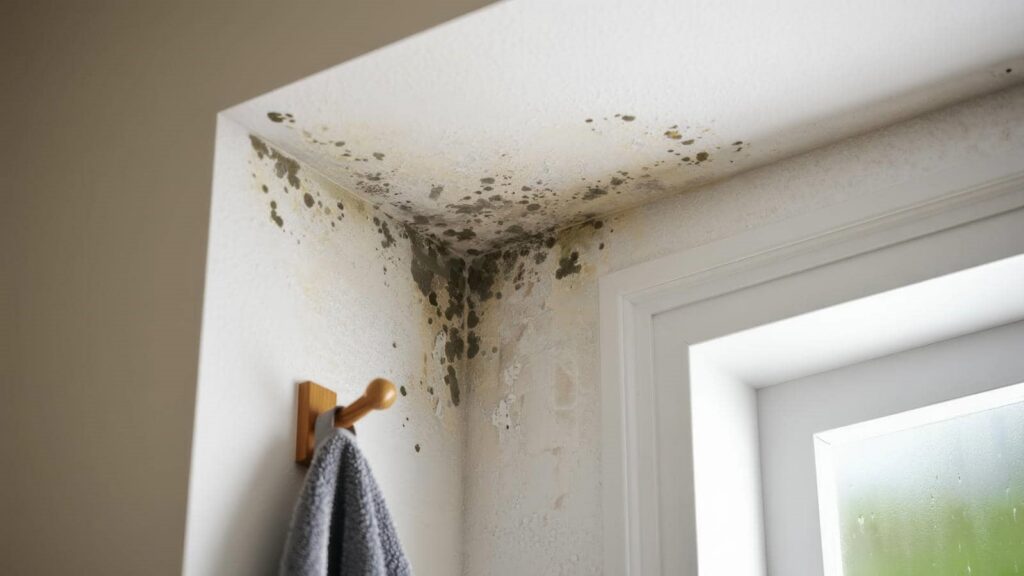
After the recent floods in your area, homes faced significant risks from mold growth, which can lead to health issues and structural damage. Addressing moisture promptly is critical, yet many overlook hidden areas where mold can thrive. Understanding the steps for effective mold remediation is essential. In the following sections, you’ll discover practical strategies to tackle mold efficiently and ensure your space remains safe and dry.
Key Takeaways
- Act Quickly: Begin mold cleanup within 24 to 48 hours after moisture exposure to prevent rapid growth and damage.
- Use Protective Gear: Always wear N95 masks, gloves, and disposable coveralls to protect yourself from mold spores during remediation.
- Thorough Inspection: Check walls, ceilings, carpets, and hidden areas for mold, documenting damage for effective remediation prioritization.
- Effective Water Removal: Use pumps and wet/dry vacuums to extract standing water efficiently and reduce moisture levels.
- Call Professionals if Needed: For extensive mold growth or health symptoms, hire experts to ensure safe and effective remediation.
How to Act Quickly: Timing Your Mold Cleanup
When you discover mold in your home, acting quickly is essential to prevent further damage and health risks. Mold growth can begin within 24 to 48 hours of moisture exposure, so timing your cleanup is vital.
Start by identifying the source of moisture and addressing it immediately; otherwise, the mold will continue to thrive. Establish a clear cleanup timeline, aiming to remove visible mold within a few days.
Utilize appropriate protective gear and cleaning solutions to ensure safety during the process. If the infestation is extensive, consider hiring professionals who can effectively manage the situation.
Assessing Damage: Identifying Affected Areas and Materials
Before you begin the cleanup process, it’s essential to assess the damage by identifying all affected areas and materials.
Start by conducting a thorough inspection using various methods, like visual checks and moisture meters, to pinpoint potential mold growth.
Look for common mold types that thrive in damp conditions, such as black mold and Aspergillus.
Check walls, ceilings, carpets, and furniture, as these are often primary targets after flooding.
Document any damage you find, as this will help you prioritize your remediation efforts.
Safety First: Essential Protective Gear for Mold Remediation
When tackling mold remediation, using the right protective gear is essential for your safety.
Proper respirators and masks shield you from harmful spores, while protective clothing prevents skin contact with mold.
Don’t overlook eye protection, as it safeguards your vision from irritants during the remediation process.
Proper Respirators and Masks
How can you ensure your safety during mold remediation? Choosing the right respirators and masks is essential. Different respirator types and mask materials offer varying levels of protection against mold spores. Here are key considerations:
Respirator Types: Opt for N95 respirators or higher-rated masks, which filter out at least 95% of airborne particles.
Mask Materials: Look for masks made from durable, breathable materials that assure comfort during prolonged use.
Fit and Seal: Ensure a proper fit; gaps can allow harmful spores to enter.
Protective Clothing Requirements
Protective clothing is a critical component in ensuring safety during mold remediation. When tackling mold, you need the right protective gear to shield yourself from harmful spores.
Start with disposable coveralls, which prevent mold from contacting your skin. Choose clothing types that are non-porous and easy to remove, like rubber or vinyl gloves, to protect your hands.
Don’t forget waterproof boots—these keep your feet dry and safe from contaminants. A snug-fitting hood or head covering can also help prevent mold exposure to your hair and scalp.
It’s essential to wear these items throughout the remediation process, ensuring you minimize health risks. By prioritizing protective gear, you’re not just safeguarding yourself; you’re fostering a culture of safety among your team.
Eye Protection Importance
While you focus on removing mold, eye protection is often an overlooked but essential aspect of your safety gear. Proper eye protection helps prevent irritation and injury from mold spores and debris.
It’s vital to choose the right protective eyewear options and eye protection materials to ensure safety. Here are three important factors to reflect on:
Types of Eyewear: Use goggles that seal around your eyes to prevent spores from getting in.
Lens Material: Opt for polycarbonate lenses, which are impact-resistant and provide UV protection.
Comfort: Make sure your eyewear fits well and is comfortable for extended use.
Remove Standing Water: Effective Methods for Water Extraction
When addressing standing water, it’s essential to implement effective extraction methods.
You can utilize pumping techniques for larger volumes, explore natural drainage solutions for minor issues, or rely on a wet/dry vacuum for quick cleanup.
Each method has its advantages, so choosing the right one will help ensure thorough water removal and prevent mold growth.
Pumping Techniques for Extraction
To effectively tackle standing water during mold remediation, understanding various pumping techniques is essential. Improving pumping efficiency can greatly enhance your extraction methods.
Here are three effective techniques to evaluate:
Submersible Pumps: Ideal for deep water, these pumps are submerged and can handle large volumes quickly, making them efficient for considerable flooding.
Sump Pumps: Best for shallow areas, sump pumps can remove water from basements or crawl spaces, ensuring moisture levels drop quickly.
Vacuum Pumps: These are handy for smaller amounts of water or residual moisture, offering precision and minimizing damage to surrounding materials.
Using the right method speeds up the extraction process while reducing the risk of mold growth, promoting a healthier environment.
Natural Drainage Solutions
Additionally, landscape grading plays a critical role in natural drainage. By sloping your yard away from your foundation, you encourage water to flow away rather than pool near your home.
Regularly inspect and maintain these systems to make sure they function at their best, especially after heavy rains. Implementing these strategies protects your property and fosters a sense of community by promoting healthier living environments for everyone.
Together, we can combat mold and safeguard our homes.
Wet/Dry Vacuum Usage
Utilizing a wet/dry vacuum is one of the most effective methods for removing standing water from your property. To achieve ideal results, follow these wet/dry vacuum techniques:
Preparation: Clear the area of debris and verify your vacuum’s filter is appropriate for liquid extraction.
Vacuuming: Slowly move the vacuum across the affected area, making multiple passes to ensure thorough water removal.
Vacuum Maintenance: After use, clean the vacuum tank and filter to prevent mold growth and make sure it’s ready for future use.
Dry Out Your Space: Best Practices for Moisture Control
When moisture infiltrates your space, it creates a perfect environment for mold growth, making effective moisture control crucial.
Start by conducting a thorough structural assessment to identify areas needing attention. Install moisture barriers to prevent future infiltration.
Enhance air circulation by using fans, and consider dehumidifier usage to maintain ideal humidity levels. Confirm your ventilation systems are functioning properly to facilitate airflow throughout your home.
Pay special attention to insulation care, as wet insulation can harbor mold. Opt for mold-resistant materials during repairs to further minimize risk.
Finally, regulate temperature control to deter mold proliferation, keeping spaces cooler and drier.
Mold Remediation: How to Clean and Disinfect Contaminated Surfaces
To effectively clean and disinfect contaminated surfaces, you’ll need specific supplies and techniques.
Gather vital cleaning agents that target mold spores and ensure your disinfection methods are thorough and effective.
Understanding these elements is fundamental for achieving a mold-free environment.
Essential Cleaning Supplies Needed
Effective mold remediation hinges on having the right cleaning supplies at your disposal. To effectively tackle mold and prevent its return, you’ll need essential items that ensure thorough cleaning.
Focus on these three key supplies:
Cleaning Agents: Use a mix of water and detergent or specialized mold cleaners to remove visible mold. Look for those with strong efficacy against mold spores.
Mold Inhibitors: After cleaning, apply mold inhibitors to surfaces to prevent future growth. These products can provide lasting protection.
Protective Gear: Equip yourself with gloves, masks, and goggles to safeguard against harmful spores while you work.
With these supplies, you’ll be better prepared to handle mold issues effectively and reclaim your space.
Effective Disinfection Techniques
Cleaning and disinfecting contaminated surfaces is essential for successful mold remediation. To effectively eliminate mold spores, you’ll need to choose appropriate disinfection methods.
Begin with soap and water to remove visible mold, then apply a suitable disinfectant like a diluted bleach solution or commercial mold cleaner. Make sure you follow the manufacturer’s instructions for concentration and contact time.
For porous surfaces, consider specialized surface treatments designed to penetrate and kill mold at its source.
Don’t forget to ventilate the area during and after cleaning to reduce moisture levels and improve air circulation.
Finding Hidden Mold: Key Areas to Check
While you may think your home is mold-free, hidden mold can lurk in unexpected places, posing health risks and structural damage.
To effectively carry out mold detection, focus on areas where hidden moisture often accumulates:
Behind walls: Inspect areas where plumbing runs, as leaks can create damp environments.
Under carpets and rugs: Water can seep into flooring, leading to mold growth beneath the surface.
In attics and basements: These spaces are prone to humidity and poor ventilation, making them ideal for mold development.
Regularly checking these areas can help you stay ahead of mold issues, ensuring a safer and healthier home environment for you and your loved ones.
What Equipment Do You Need for Mold Removal?
When tackling mold removal, having the right equipment is essential to ensure a thorough and safe process.
Start with an equipment checklist that includes personal protective gear like gloves, masks, and goggles to keep you safe from spores. You’ll need a HEPA vacuum to capture mold particles effectively and a dehumidifier to reduce humidity levels, which helps prevent future growth.
Mold removal techniques often require scrubbing brushes and specialized cleaning solutions to eliminate stubborn mold. Don’t forget containment materials like plastic sheeting to prevent spores from spreading.
Finally, a moisture meter can help you monitor damp areas and verify your space is mold-free. With the right tools, you can confidently tackle the challenge of mold removal.
When to Call in Mold Remediation Experts?
Recognizing the signs of significant mold growth can be challenging, especially if it’s hidden behind walls or under flooring.
If you notice any of the following, it’s time to call in mold remediation experts:
Extensive Mold Growth: If mold covers more than 10 square feet, professional help is crucial.
Persistent Musty Odors: A strong, persistent smell may indicate hidden mold and potential health risks.
Health Symptoms: If you or your family experience respiratory issues, headaches, or allergic reactions, it’s time to seek expert assistance.
Ignoring these signs can lead to further damage and serious health risks.
Trusting professionals ensures safe and effective mold removal, safeguarding your home and well-being.
Prevent Future Mold Growth: Tips for Ongoing Prevention
To prevent future mold growth, it’s vital to proactively manage moisture levels in your home. Regular preventive maintenance is key. Start by ensuring proper humidity control; maintain indoor humidity below 60%. Use dehumidifiers in damp areas, like basements, and ensure proper ventilation in bathrooms and kitchens.
Here’s a quick reference table for effective strategies:
| Action | Frequency |
|---|---|
| Check for leaks | Monthly |
| Clean gutters | Biannually |
| Inspect HVAC systems | Annually |
Frequently Asked Questions
How Long Does It Take for Mold to Grow After Flooding?
Mold growth can start within 24 to 48 hours after flooding. To prevent it, focus on moisture control by promptly drying affected areas and maintaining low humidity levels. You’ll create a healthier environment for everyone.
Can I Use Bleach to Kill Mold Effectively?
You can use bleach to kill mold, but it’s not always effective on porous surfaces. Consider mold alternatives like vinegar or hydrogen peroxide for better results. Always prioritize safety and thorough cleanup to prevent regrowth.
What Health Risks Are Associated With Mold Exposure?
Oh sure, mold’s just nature’s way of throwing a party! But if you breathe it in, you might face mold allergies, respiratory issues, toxic effects, and an immune response that’s anything but welcoming. Stay cautious!
Are There Specific Mold Types to Watch Out For?
You should watch out for common mold types like Stachybotrys and Aspergillus. Implementing effective prevention techniques, such as controlling humidity and ensuring proper ventilation, can greatly reduce your risk of exposure and health complications.
How Can I Tell if Mold Is Completely Removed?
You can tell mold’s completely removed by conducting mold testing, just as you’d check for hidden leaks. If air quality improves and no visible signs reappear, you’ve likely achieved a successful remediation.
Review
In tackling mold remediation after floods, timely action and thoroughness are essential. By following these tips, you can effectively mitigate health risks and prevent further damage. Think about it: wouldn’t you rather take proactive steps now than deal with a larger problem later? Remember, evaluating damage, ensuring proper safety, and drying out your space are vital steps. Stay vigilant, and your home will recover and thrive in a mold-free environment.