
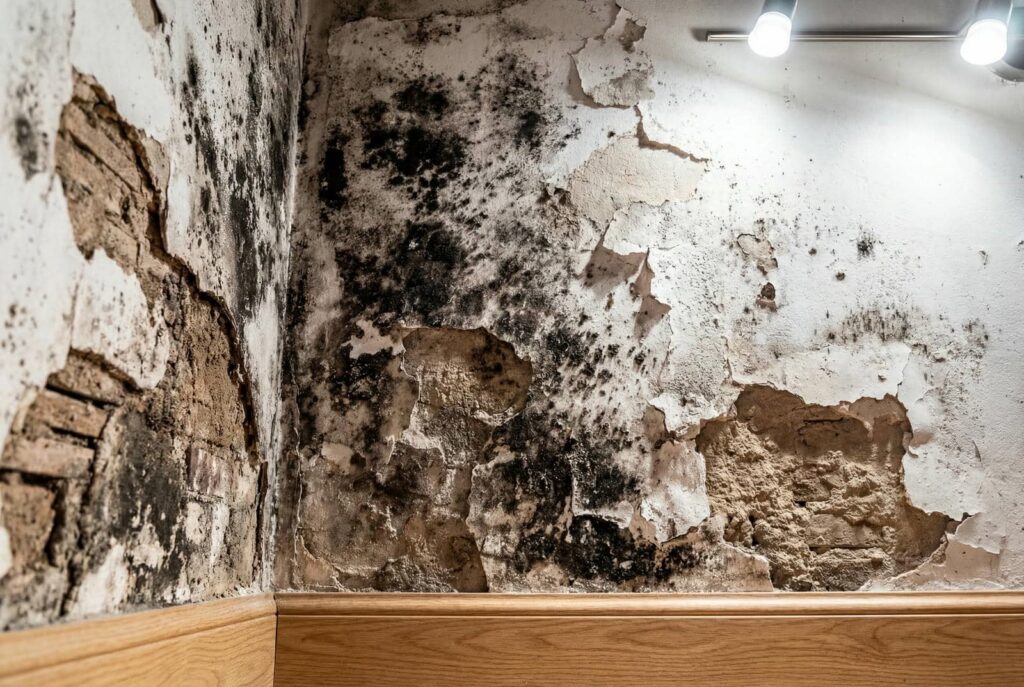
After experiencing water damage, you might not realize how quickly mold can start to develop. Within just 24 to 48 hours, hidden moisture can create an environment ripe for mold growth, threatening both your health and your home’s structure. Understanding the risks involved is essential, but knowing how to effectively prevent mold is even more critical. What strategies can you implement to safeguard your space and well-being?
Key Takeaways
- Mold spores can thrive in damp environments created by water damage, leading to rapid growth within 24-48 hours if not addressed.
- High humidity levels following water damage can accelerate mold spread, making effective prevention essential to maintain a healthy environment.
- Regular inspections of damp areas help identify hidden moisture, reducing the risk of mold growth and associated health issues.
- Early intervention in mold prevention can prevent extensive damage to the home and mitigate the risk of serious health problems.
- Maintaining indoor humidity below 60% and ensuring proper ventilation are critical strategies for effective mold prevention after water damage.
Top 5 Strategies to Prevent Mold Growth
When you experience water damage, taking immediate action is essential to prevent mold growth.
First, utilize a dehumidifier to reduce moisture levels in affected areas. This can greatly lower the humidity that promotes mold development.
Second, improve ventilation by opening windows and using fans to circulate air, helping moisture evaporate faster.
Third, clean and dry any damp materials, such as carpets or walls, within 24 to 48 hours.
Fourth, seal any leaks or cracks in your home’s exterior to prevent future water intrusion.
Finally, consider using mold-resistant products when making repairs or renovations.
How to Spot Mold in Your Home
How can you effectively identify mold in your home? Spotting mold early is vital for maintaining a healthy living environment. Look for visible signs, such as black or green patches on walls and ceilings. Pay attention to musty odors, which often indicate mold presence. Be aware of mold symptoms, like respiratory issues or allergic reactions, which can arise from exposure.
Implementing moisture control is essential; check areas prone to dampness, such as bathrooms and basements.
| Indicator | Location | Action |
|---|---|---|
| Visible mold | Walls, ceilings | Clean or remove |
| Musty odor | Basements, closets | Investigate source |
| Water stains | Ceilings, walls | Inspect for leaks |
| Allergic reactions | Throughout the home | Consult a professional |
Understanding Mold Risks After Water Damage
After experiencing water damage, understanding the risks of mold growth is essential for safeguarding your home. Mold spores thrive in damp environments, and if you don’t address the moisture promptly, you create a breeding ground for them.
High humidity levels can exacerbate the problem, allowing mold to spread rapidly. It’s vital to control humidity by using dehumidifiers and ensuring proper ventilation in affected areas.
Even after visible water is removed, hidden moisture can linger, leading to mold growth within 24-48 hours. Regularly inspect areas prone to dampness, such as basements and bathrooms, to catch potential issues early.
When to Call in Mold Removal Experts?
Determining the right moment to call in mold removal experts can be vital for your home’s health. If you notice visible mold growth, don’t hesitate—it’s time to reach out.
Similarly, if you detect a musty odor despite no visible signs, a professional assessment is essential. Mold can hide in walls and under floors, posing serious risks if left unchecked.
Additionally, if someone in your household experiences allergy-like symptoms that worsen indoors, this could indicate a mold issue.
Remember, addressing mold early can prevent more extensive damage and health problems later on. Trusting professionals for mold removal ensures a thorough job, allowing you to breathe easier in your home.
Don’t wait until it becomes a bigger problem; act promptly.
Long-Term Tips for a Mold-Free Home
To maintain a mold-free home, you need to adopt proactive strategies that address moisture control and ventilation.
Start with humidity control; aim to keep indoor levels below 60%. Use dehumidifiers where necessary.
Ventilation improvement is essential, so make certain bathrooms and kitchens are well-ventilated to reduce moisture buildup.
Regular surface cleaning with mold-inhibiting solutions helps prevent spores from settling.
Consider your material choices; opt for mold-resistant products, especially in damp areas.
Don’t overlook the importance of regular inspections; check for leaks, water stains, or any signs of mold growth.
Frequently Asked Questions
How Quickly Can Mold Start Growing After Water Damage?
Mold can start growing within 24 to 48 hours after water damage, depending on factors like humidity, temperature, and material type. Understanding this mold growth timeline helps you act quickly to prevent further issues.
Can Mold Grow in Hidden Areas of My Home?
Yes, mold can thrive in hidden areas of your home, like behind walls or under floors. Implementing effective prevention strategies ensures you keep those sneaky spores at bay, fostering a healthier environment for everyone.
What Are the Health Effects of Mold Exposure?
Mold exposure can trigger mold allergies, respiratory issues, and skin irritation. You might experience chronic fatigue or neurological effects as your immune response reacts to the toxins, making it essential to address mold promptly.
Is DIY Mold Removal Safe and Effective?
DIY mold removal can be effective, but you must prioritize safety precautions. Using proper mold removal techniques and protective gear ensures you tackle the problem without risking your health or worsening the situation. Choose wisely!
How Does Humidity Affect Mold Growth Indoors?
Humidity levels directly influence mold growth indoors; higher humidity encourages mold spores to thrive. Keeping your indoor humidity below 60% can greatly reduce mold risks, creating a healthier living environment for you and your loved ones.
Recap
In the battle against mold, every moment counts—waiting even a day can feel like inviting a freight train of spores into your home. By implementing effective prevention strategies and staying vigilant, you can safeguard your health and property. Remember, the sooner you act, the less likely you are to face a mold crisis. Keep your living environment dry, well-ventilated, and clean to ensure a safe haven for you and your loved ones.