
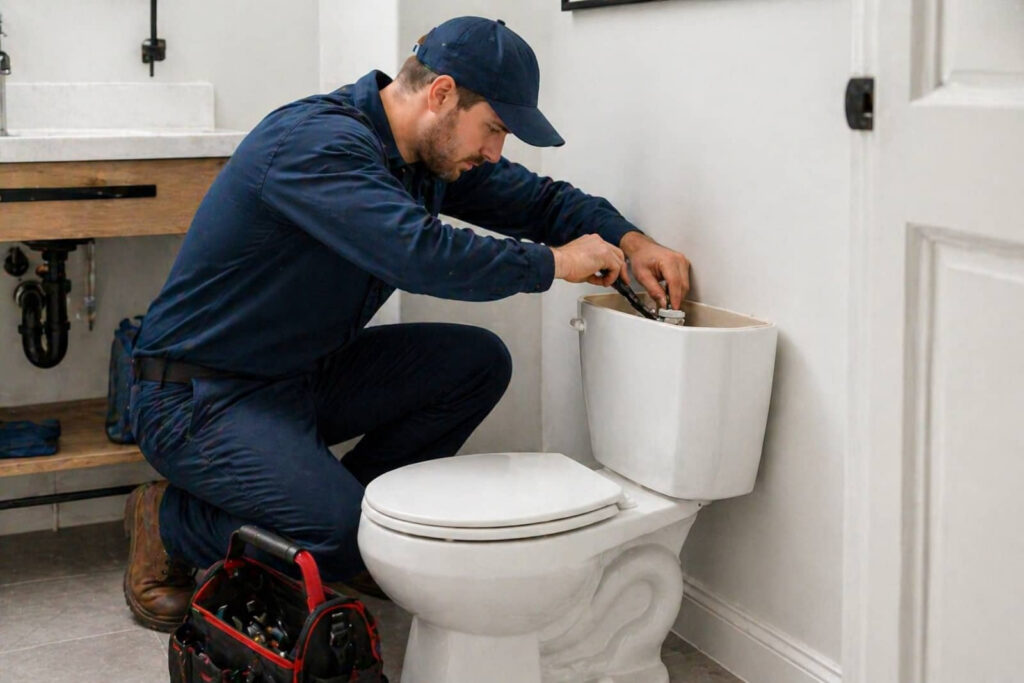
Sewage water damage restoration is a controlled process for containing, removing, and remediating wastewater contaminated with harmful bacteria, viruses, and debris. Damage restoration goes beyond basic cleanup. It requires isolating the affected area, extracting sewage, discarding unsafe materials, and thoroughly drying and sanitizing every affected surface to limit structural damage and microbial growth. Missing even one step can allow contamination to spread further through your home, making a careful, systematic response essential.
Key Takeaways
- Sewage water damage restoration is the controlled cleanup, sanitation, and drying of areas contaminated by hazardous wastewater or black water.
- The process starts by isolating the affected area, stopping spread, and safely extracting standing sewage and contaminated debris.
- Professionals inspect floors, walls, and contents for hidden contamination, moisture, and structural damage caused by sewage intrusion.
- Specialized cleaning, disinfection, and drying methods are used to reduce pathogens, prevent microbial growth, and restore safe conditions.
- Professional restoration is important because sewage contains harmful bacteria, viruses, and parasites that can threaten health and weaken materials.
What Is Sewage Water Damage Restoration?
When sewage enters a structure, sewage water damage restoration is the controlled process of containing contamination, removing hazardous wastewater and solids, drying affected materials, disinfecting exposed surfaces, and restoring the area to a safe, sanitary condition.
You follow a defined sequence: isolate the affected zone, stop spread, extract liquids, remove unsalvageable debris, clean residues, apply sewage treatment protocols, and verify moisture reduction with meters. This method limits water contamination and supports consistent results.
You’re not guessing during restoration; you’re working within a disciplined system that protects the property and everyone involved.
Technicians use containment barriers, air movement, dehumidification, and targeted sanitation to return materials and structural components to acceptable conditions.
With a documented process, you can feel confident your space is being restored carefully, thoroughly, and in line with professional standards.
Why Is Sewage Damage So Dangerous?
You face immediate health risks when sewage enters your property because it can carry bacteria, viruses, and parasites that contaminate air and surfaces.
You also risk structural contamination, as porous materials can absorb waste, spread hazardous microbes, and weaken building components.
If you don’t isolate and remediate the damage quickly, contamination can escalate and create unsafe occupancy conditions.
Health Risks Exposure
Because sewage carries a concentrated mix of bacteria, viruses, parasites, and toxic contaminants, even brief exposure can create serious health hazards. You face significant health implications when contamination sources contact your skin, eyes, mouth, or lungs.
Pathogens in black water can trigger gastrointestinal illness, respiratory irritation, skin infections, hepatitis, and other communicable diseases. Aerosolized particles also increase inhalation risk during cleanup.
To protect yourself and everyone sharing the space, you need disciplined safety controls. Don’t enter affected areas without gloves, eye protection, boots, and appropriate respiratory equipment.
Avoid direct contact, isolate the area, and wash thoroughly after any exposure. If you experience nausea, coughing, fever, rash, or vomiting, seek medical attention promptly. Fast, professional intervention helps your household stay safer, healthier, and supported throughout recovery.
Structural Contamination Effects
Health hazards aren’t the only concern; sewage also penetrates and destabilizes the building itself. When wastewater soaks subfloors, drywall, insulation, and framing, you face more than surface staining. You’re dealing with hidden contamination sources that migrate through porous materials, wick upward, and remain active after visible water recedes.
That movement weakens adhesives, swells wood, corrodes fasteners, and compromises structural integrity.
You need a methodical response to protect your home and everyone in it. Inspection must trace moisture paths, identify saturated assemblies, and separate salvageable materials from unsafe ones.
If contamination reaches cavities or load-bearing components, removal and disinfection become mandatory, not optional. By acting quickly and following professional containment and drying protocols, you help restore a safe structure and keep your household connected to a healthier environment together.
What Should You Do First?
First, protect yourself by evacuating the affected area, avoiding contact with contaminated water, and shutting off electricity if it’s safe to do so.
Next, stop the water source immediately by closing the main valve or isolating the backup if you can do it without exposure.
Then, call certified restoration experts so they can assess the hazard, contain contamination, and begin proper cleanup.
Ensure Immediate Safety
When sewage backs up into your home, secure personal safety before you assess the damage. Treat all affected areas as biohazard zones, because sewage can contain bacteria, viruses, and harmful gases. Keep children, pets, and vulnerable household members out immediately.
If standing water is near outlets or appliances, stay clear and avoid contact.
Put on proper protective gear before reentry: gloves, waterproof boots, eye protection, and, if available, a respirator rated for contaminated environments.
Follow basic safety precautions and your household’s emergency procedures without delay. Open doors only if you can do so safely to improve ventilation.
Don’t walk through contaminated water barefoot or track it into clean spaces. By acting systematically, you protect yourself and everyone in your home while preparing for professional restoration help later.
Stop Water Source
Once you’ve secured the area and protected yourself, stop the sewage flow at its source to limit further contamination. Shut off the nearest water supply valve if a fixture overflow caused the backup. If the problem involves a toilet, don’t flush again. Turn off electricity only if water is near outlets and you can do so safely.
Next, isolate the affected plumbing line when possible and stop water use throughout the home.
Check for obvious blockages at accessible drains, but don’t force wastewater through the system. Use towels or barriers to contain spread around doorways. If you have them, apply temporary drainage solutions like drain plugs or absorbent socks.
These actions support safer cleanup and reflect sound plumbing maintenance practices your household can rely on together every day.
Call Restoration Experts
Contact a certified water damage restoration team immediately after you’ve stopped the source and contained the area. Sewage backups contain pathogens, chemicals, and hidden moisture, so you need trained technicians to lead a safe emergency response.
They’ll arrive with protective equipment, containment materials, extraction tools, and disinfection protocols that meet industry standards.
You’ll also benefit from a professional assessment that identifies contamination levels, affected materials, and structural risks. Experts document damage, map moisture migration, and build a controlled restoration plan that protects your household and supports insurance claims.
What Causes Sewage Backups at Home?
Although sewage backups often seem sudden, they usually result from a specific failure in your home’s drainage system or a blockage in the municipal sewer line. Common triggers include plumbing issues, drain clogs, grease buildup, and aging pipes that restrict wastewater flow.
Tree roots can penetrate small cracks, then expand and obstruct the sewer line over time.
Heavy rainfall can overwhelm public infrastructure and force contaminated water back through floor drains, toilets, or tubs. Faulty installations, including poor slope, improper connections, or undersized lines, also increase pressure within your system.
For your household’s safety, it helps to recognize these causes early and support backup prevention through inspections and proper use. When warning signs appear, prompt emergency response protects your home and helps your community stay healthier and better prepared together.
Steps in Sewage Damage Restoration
When sewage enters your home, restoration follows a strict sequence to control contamination, protect occupants, and limit structural damage. First, you isolate the affected area, shut off power if needed, and restrict contact to reduce exposure risks.
Next, you document damage, identify the source, and classify contamination levels so every decision follows verified safety standards.
Then you remove standing sewage, separate unsalvageable materials, and clean remaining surfaces with targeted sewage cleanup methods.
After that, you dry the structure, monitor moisture, and prevent microbial growth. You also inspect subfloors, wall cavities, and contents to confirm hidden damage doesn’t remain.
Finally, you verify sanitation, evaluate structural stability, and prepare for repairs. These restoration techniques help you restore a safer, healthier home environment your household can trust again together.
What Pros Do During Sewage Cleanup
Professional sewage cleanup crews put that restoration sequence into practice with controlled, contamination-specific procedures. You’ll see them isolate the affected zone, establish negative pressure when needed, and restrict cross-traffic to keep contaminants from spreading.
They assess porous and nonporous materials, document hazards, and identify what can be removed, contained, or salvaged under industry protocols.
Next, they extract bulk sewage, bag compromised debris, and stage waste for compliant disposal. Using proven sewage cleanup techniques and professional equipment, they work from the least affected areas toward the heaviest contamination to reduce transfer.
They inspect subfloors, wall cavities, and penetrations for hidden migration, then perform detailed cleaning of accessible residues. Throughout the job, you’re protected by PPE, chain-of-custody handling, and a team that follows a disciplined, safety-first process every step.
How Pros Dry and Sanitize the Area
After gross contamination is removed, crews start controlled structural drying and disinfection to stop microbial growth and limit secondary damage.
You’ll see technicians map moisture, isolate affected zones, and set negative airflow when needed. They remove contaminated materials that can’t be restored, then clean remaining surfaces with approved antimicrobial solutions.
Next, they use calibrated air movers, HEPA filtration, and targeted dehumidification techniques to pull moisture from framing, subfloors, and wall cavities.
You benefit from moisture readings taken at intervals, because drying goals must be verified, not guessed. Technicians also sanitize salvageable contents, address odor molecules, and prevent cross-contamination through strict equipment handling.
Throughout the process, you’re part of a system designed to return your space to a stable, hygienic condition with documented, measurable results for everyone involved.
When Should You Call a Restoration Team?
How quickly you involve a restoration team often determines whether sewage damage stays localized or escalates into structural deterioration and wider biohazard exposure. You should call immediately after any backup, overflow, or wastewater intrusion, especially if contamination reaches porous materials, HVAC zones, crawlspaces, or electrical areas.
You also need professional help when odors persist, water rises repeatedly, or occupants report respiratory irritation. A qualified team can isolate affected zones, assess Category 3 contamination, and document moisture migration before hidden damage spreads.
If previous drain maintenance or plumbing inspections didn’t stop recurring backups, that’s another clear trigger for escalation. By acting early, you protect your household and support a safer environment for everyone sharing the space.
Fast reporting helps your community of occupants recover with fewer demolition needs, lower microbial risk, and better restoration outcomes.
How Can You Prevent Future Sewage Damage?
Because prevention depends on controlling both flow capacity and system condition, you should focus on routine sewer line inspections, timely drain cleaning, and prompt repair of cracks, root intrusion, sagging pipes, and failing backwater valves before wastewater can reverse into the structure.
You also reduce risk when you keep fats, wipes, paper towels, and hygiene products out of drains, install sump and backflow protection, and verify grading moves stormwater away from your foundation.
Schedule seasonal plumbing assessments, especially before heavy rain periods, and document findings so your household stays aligned on preventive measures. These maintenance tips help you catch developing blockages, pressure imbalances, and infiltration pathways early.
If your property has older piping, ask your plumber about camera inspections and replacement planning, so you strengthen system reliability and protect everyone inside.
Frequently Asked Questions
Does Homeowners Insurance Cover Sewage Water Damage Restoration Costs?
Yes, your homeowners insurance may cover sewage water damage restoration costs, depending on coverage types and cause. You should review exclusions, document losses, and follow the claims process promptly to protect safety, compliance, and reimbursement eligibility.
How Long Does Sewage Damage Restoration Usually Take?
Like a storm’s aftermath, you’ll usually need 3–7 days, though severe contamination can stretch longer. Your team follows sewage cleanup techniques methodically, controlling health risks through extraction, disinfection, drying, testing, and safe material removal.
Can You Stay in Your Home During Sewage Cleanup?
Usually, you can’t stay in your home during sewage cleanup because health risks remain high. You should follow preventive measures, isolate contaminated zones, support remediation crews, and reoccupy only after clearance testing confirms safe conditions.
Will Sewage Damage Restoration Remove All Odors Completely?
Yes, you can usually expect complete odor removal after sewage cleanup if technicians decontaminate, dry, and verify all affected materials. You’ll get best results when they remove hidden contamination sources and confirm safe moisture and air-quality levels.
How Much Does Professional Sewage Water Damage Restoration Cost?
Like a surgeon’s bill, you’ll usually pay $2,000–$7,000, depending on contamination level, area size, sewage cleanup techniques, and restoration equipment. You’re protecting your home’s safety, and your team should document hazards, scope, and sanitization precisely.
Wrap-Up
Sewage water damage restoration isn’t just “cleaning up a mess”—ironically, the more invisible the contamination, the more precise your response must be. You protect your home by isolating hazards, removing damaged materials, drying structures, and sanitizing every affected surface. If you act fast and call trained professionals, you reduce health risks and limit structural loss. In the end, the safest way to handle sewage damage is to treat what looks manageable as a serious biohazard.