
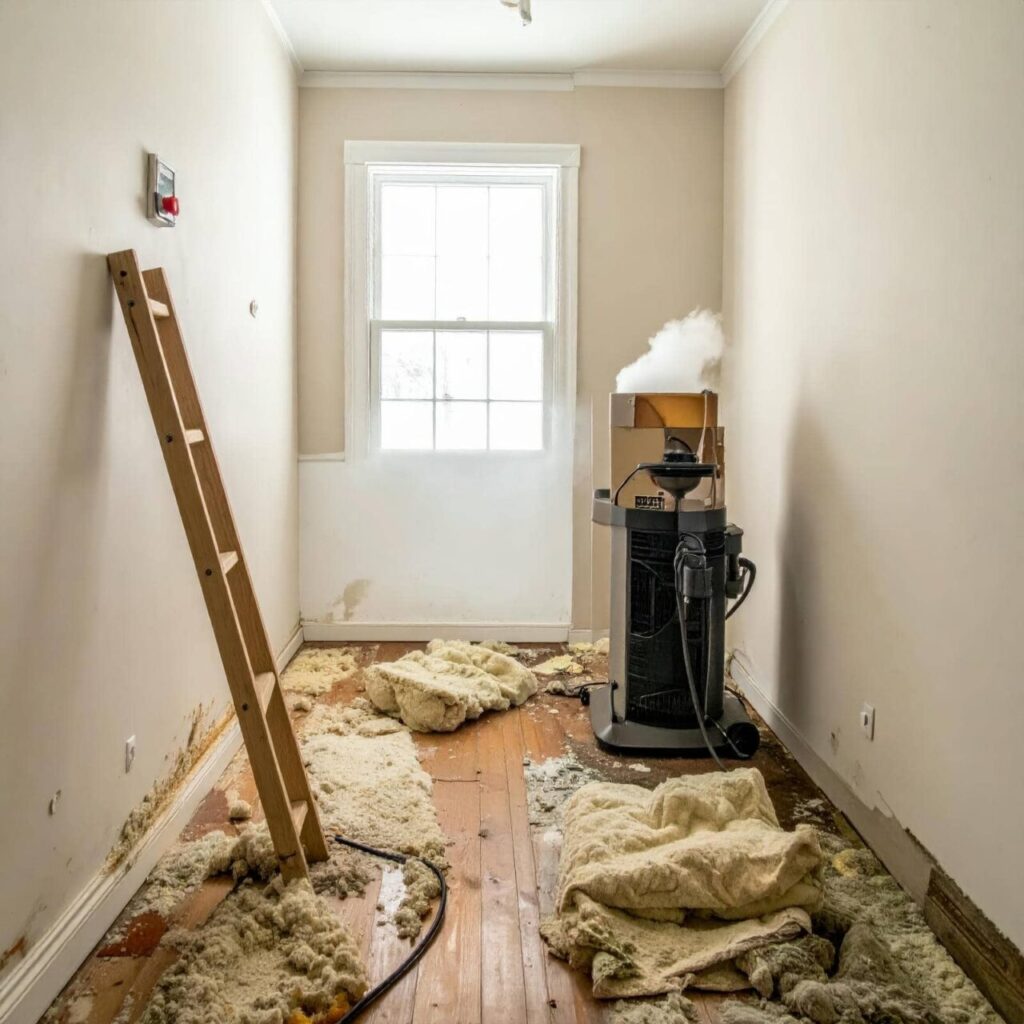
It’s interesting how many homeowners face water damage issues unexpectedly, often right when they think they’ve got everything under control. When you find yourself in this situation, knowing how to navigate your insurance claim can make all the difference. There are essential steps to follow that can simplify the process and increase your chances of approval. Let’s explore these critical tips, as they could be crucial for your financial recovery.
Key Takeaways
- Promptly notify your insurance company after discovering water damage to avoid complications in the claims process.
- Thoroughly document all damage with time-stamped photographs and a detailed inventory of affected items.
- Familiarize yourself with your insurance policy to understand coverage limits and exclusions related to water damage.
- Keep all receipts and records organized to provide a clear narrative of expenses incurred during repairs.
- Act quickly to mitigate further damage, and regularly follow up on your claim to ensure timely processing.
Document the Damage Thoroughly
When facing water damage, the importance of documenting the damage thoroughly can’t be overstated. You need to conduct a thorough damage assessment to capture every detail of the situation.
Start by taking clear photographs of the affected areas, making sure to capture both wide shots and close-ups. Note the extent of the damage, including any structural issues, mold growth, or loss of personal belongings.
Create a detailed inventory for loss documentation, listing damaged items with descriptions, purchase dates, and estimated values. This documentation serves as critical evidence when filing your insurance claim.
Make sure you keep all records organized, including receipts and correspondence related to the incident.
Notify Your Insurance Company Promptly
Notifying your insurance company promptly after discovering water damage is crucial to expediting your claim process. Delaying this step can complicate the reporting process and may even hinder your chances of receiving timely compensation.
As soon as you become aware of the damage, reach out to your insurer to initiate the claim. This often starts the clock on claim timelines, which can affect how quickly repairs can begin.
When you contact your insurer, be prepared to provide details about the damage and any immediate actions you’ve taken to mitigate further issues. This proactive approach demonstrates your commitment to resolving the situation and helps your insurer assess your claim more efficiently.
Keeping open lines of communication with your insurance company ensures you stay informed throughout the process, fostering a sense of belonging and support during a stressful time.
Understand Your Policy Coverage
Understanding your policy coverage is essential for maneuvering water damage claims effectively.
You’ll need to familiarize yourself with the different types of policies available, identify any coverage limitations, and note specific exclusions that may affect your claim.
This knowledge empowers you to make informed decisions during the claims process.
Policy Types Explained
Before you file a water damage insurance claim, it’s crucial to grasp the different types of policies available, as each offers varying levels of coverage.
Understanding these policy types can help you navigate the coverage nuances effectively. Here are four common policy types:
Homeowners Insurance: Typically includes coverage for sudden water damage.
Flood Insurance: Specifically covers damage from flooding, often required in high-risk areas.
Renters Insurance: Protects personal belongings from water damage in rental properties.
Commercial Property Insurance: Offers coverage for businesses against water-related damages.
Knowing your policy types helps you stay prepared when water damage strikes, allowing you to make informed decisions about your claim.
Understanding these aspects fosters a sense of security within your community.
Coverage Limitations Identified
While knowing the types of policies available is a solid foundation, recognizing the coverage limitations of your specific insurance plan is equally important.
Understanding your coverage limits helps you avoid surprises when filing a claim. Explore the policy nuances, as they dictate what’s covered and what isn’t. For instance, some plans may include a cap on the amount reimbursed for water damage, while others might limit coverage based on the source of the water intrusion.
Reviewing your policy carefully will enable you to identify these restrictions and prepare accordingly. Engaging with your insurance agent can also clarify any uncertainties, ensuring you know what to expect in the event of water damage.
Being informed is empowering.
Exclusions to Note
When it comes to water damage insurance, recognizing the exclusions in your policy is crucial for effective claims management. Understanding these common exclusions can help you avoid unpleasant surprises when filing a claim.
Here are some policy loopholes to watch for:
- Damage from flooding (unless specifically included)
- Gradual wear and tear or maintenance issues
- Neglect or lack of proper upkeep
- Damage caused by sewer backup (if not covered)
Being aware of these exclusions ensures you’re better prepared to manage your claims process.
Review your policy thoroughly and consult with your insurance agent to clarify any uncertainties. This proactive approach can help you safeguard your interests and enhance your chances of a successful claim.
Keep All Receipts and Records
To successfully navigate water damage insurance claims, it’s essential that you keep all receipts and records related to the damage and repairs. Good receipt organization is key; start by creating a dedicated folder—physical or digital—where you can store all relevant documents. This includes invoices for repairs, receipts for materials, and any expenses incurred while addressing the damage.
Effective expense tracking will help you maintain clarity and facilitate your claim process. When you itemize each expense, you create a clear narrative of the financial impact, which can be persuasive to your insurance adjuster.
Make certain to document dates and descriptions alongside each receipt, as this adds context. This meticulous approach strengthens your claim and fosters a sense of control during a stressful time.
Keeping everything organized ensures you’re prepared, making the claims process smoother and more efficient.
Mitigate Further Damage Immediately
When faced with water damage, it’s essential to act quickly to prevent further issues, like mold growth or structural weakening.
Documenting the damage thoroughly is equally important, as this information will support your insurance claim.
Act Quickly to Prevent
Acting swiftly after discovering water damage is crucial, as even a small delay can lead to considerable complications.
To mitigate further damage, you should take immediate action. Here are essential steps to follow:
Contact emergency services: Reach out to professionals who specialize in water removal.
Shut off utilities: Turn off the water supply, electricity, and gas to prevent additional hazards.
Remove valuables: Safeguard your belongings by relocating them to a dry area.
Start drying: Use fans or dehumidifiers to begin the drying process and reduce moisture levels.
Taking these steps helps minimize damage and reinforces your resolve to handle the situation effectively.
Your prompt action can considerably impact the outcome of your water damage insurance claim.
Document Damage Thoroughly
Thorough documentation of water damage is essential for a successful insurance claim. Start by conducting a detailed damage assessment, noting all affected areas and items.
Take clear photographs from multiple angles, ensuring you capture the extent of the damage. Record the date and time of the incident, along with any immediate actions you took to mitigate further damage.
This claim documentation serves as vital evidence when presenting your case to the insurance company. Keep receipts for any temporary repairs, as these costs may be reimbursable.
Take Photographs of the Affected Areas
Photographs serve as critical evidence in water damage insurance claims. When you document the affected areas, you’re providing essential photographic evidence that supports your damage assessment. This visual documentation helps you recall the extent of damage and serves to substantiate your claim with your insurance company.
To effectively capture the damage, consider the following tips:
Show the whole area: Take wide-angle shots to give context to the damage.
Zoom in on details: Capture close-ups of specific damage, such as water stains or structural issues.
Document the timeline: Take photos at various stages of the cleanup process to illustrate progression.
Include timestamps: Use your phone’s camera settings to ensure each photo is time-stamped for accurate records.
Follow Up on Your Claim Regularly
Regularly following up on your water damage insurance claim is essential for ensuring timely processing and resolution. By staying engaged, you can monitor the claim status and address any issues that may arise. Set reminders to check in with your claims adjuster or customer service representative.
When you do, be prepared with specific questions and details about your claim to facilitate productive conversations. Utilize effective communication tips, like being polite yet assertive, to foster a positive relationship with your insurer.
Document each interaction, noting dates, names, and details discussed, as this can be invaluable if you need to escalate any concerns. If you feel your claim isn’t progressing, don’t hesitate to ask for updates or clarification.
Frequently Asked Questions
What Types of Water Damage Are Typically Covered by Insurance?
Insurance typically covers sudden water damage from pipe bursts, but flood damage often requires separate policies. You should check your specific policy details to ensure you’re adequately protected against these common types of water-related incidents.
How Long Does the Claims Process Usually Take?
On average, the claims timeline for water damage takes about 30 days. However, processing delays can occur due to missing documentation or high claim volumes. Staying organized helps expedite the process and ensures a smoother experience.
Can I Choose My Own Contractor for Repairs?
Yes, you can choose your own contractor for repairs, but check your policy for any restrictions. Your selection may influence repair costs, so verify the contractor meets your insurer’s standards to avoid potential disputes.
What if My Claim Gets Denied?
If your claim gets denied, don’t panic. You can initiate the appeal process. Gather evidence, document everything, and communicate with your insurance adjuster to strengthen your case and increase your chances of a successful resolution.
Are There Any Time Limits for Filing a Claim?
Yes, there are claim submission deadlines based on your policy requirements. You should review your policy documents carefully, as missing these deadlines could jeopardize your ability to receive compensation for your water damage claims.
Final Thoughts
By diligently documenting damage and decisively notifying your insurer, you can navigate the complexities of water damage claims with confidence. Understanding your policy’s particulars and preserving pertinent receipts will pave the path to a smoother process. Swiftly mitigating further mishaps and systematically snapping supportive photographs strengthens your stance. Regularly following up fosters fruitful communication. With these strategic steps, you’ll transform a potentially turbulent experience into a triumph, ensuring you secure the support you deserve during this challenging time.