
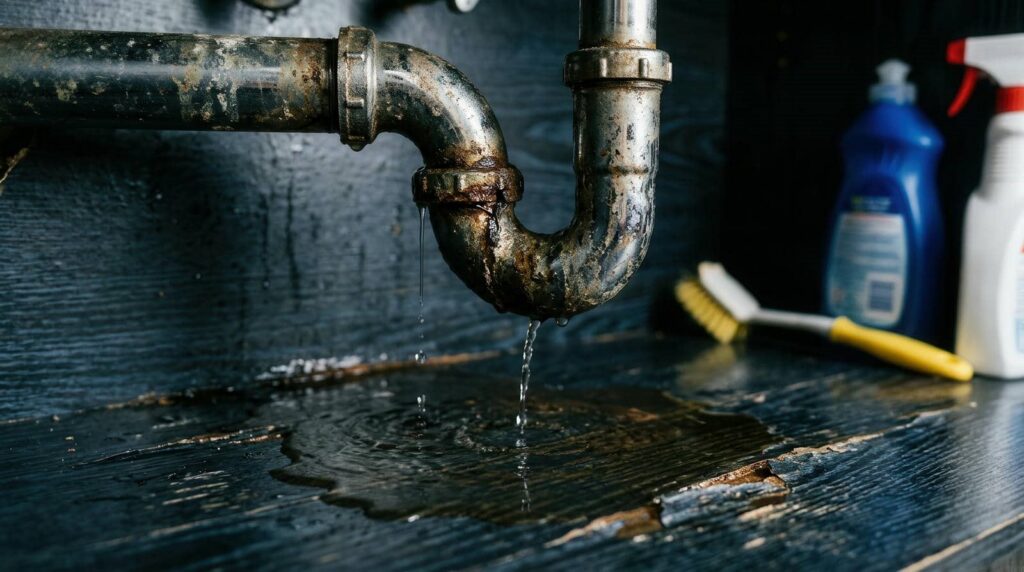
When a pipe bursts, immediate burst pipe cleanup action is vital. You’ll need absorbent materials for quick containment and high-powered vacuums for effective water removal. Submersible pumps can expedite extraction, while moisture meters help identify hidden damp spots. It’s also critical to have dehumidifiers and air movers ready to ensure thorough drying. But choosing the right protective gear and understanding mold prevention techniques are equally important. Let’s explore each essential tool to secure successful cleanup and long-term protection.
Key Takeaways
- Use high-powered wet/dry vacuums and submersible pumps for efficient water extraction in burst pipe situations.
- Employ absorbent materials and plastic sheeting to contain and manage water spread immediately.
- Utilize dehumidifiers and air movers to maintain humidity levels below 60% and promote rapid drying.
- Wear protective gear, including waterproof gloves and respirators, to ensure safety during cleanup.
- Monitor moisture levels with meters to prevent mold growth and ensure thorough drying of affected areas.
Act Fast: Essential Equipment for Containing Burst Pipe Water
When a pipe bursts, acting quickly is essential to minimize water damage, so having the right equipment on hand can make all the difference.
Start by gathering absorbent materials like towels and blankets; they’re important for immediate response techniques. Use a wet/dry vacuum to extract water efficiently, and don’t forget plastic sheeting to create temporary barriers. This is essential for effective water containment strategies, preventing further spread.
Additionally, a submersible pump can help if you’re dealing with significant flooding.
Remember, fans and dehumidifiers are key to drying out affected areas quickly, reducing the risk of mold.
Advanced Water Extraction Tools for Immediate Cleanup
While you might’ve basic tools at your disposal, investing in advanced water extraction tools can greatly enhance your cleanup efforts after a burst pipe. High-powered wet/dry vacuums and submersible pumps are essential for effective water removal techniques.
These tools expedite the extraction process and reduce the risk of mold growth and structural damage. When making extraction equipment comparisons, consider efficiency ratings and portability to find the best fit for your needs.
Advanced dehumidifiers can also complement your extraction efforts, ensuring thorough moisture removal. By utilizing these specialized tools, you’ll streamline your cleanup and foster a sense of community resilience, showing that you’re prepared for any water-related challenge.
How to Use Advanced Water Extraction Tools Effectively
Utilize advanced water extraction tools effectively to maximize your cleanup efforts after a burst pipe. Start by selecting the right equipment, focusing on high-capacity pumps and vacuums designed for water extraction techniques.
Familiarize yourself with advanced suction methods, ensuring you adjust settings based on the severity of the flooding. For large areas, use multiple units to speed up the extraction process, preventing further damage.
Always maintain a consistent seal at the extraction points to optimize suction. Don’t forget to monitor water levels, as residual moisture can lead to mold growth.
Finally, follow up with dehumidifiers to ensure complete drying, enhancing your overall cleanup success and creating a safer environment for everyone involved.
Why You Should Use Moisture Meters During Cleanup
Using moisture meters during cleanup allows you to accurately assess moisture levels in affected areas, essential for effective remediation.
This precision helps prevent mold growth by ensuring all dampness is addressed promptly.
Additionally, knowing the exact moisture content streamlines the drying process, making it more efficient and effective.
Accurate Moisture Level Assessment
When dealing with burst pipe cleanup, accurately evaluating moisture levels is vital for preventing further damage and mold growth. Using moisture meters allows you to conduct moisture mapping, pinpointing areas with excessive water retention. This technique helps you visualize moisture distribution, enabling you to address problem spots effectively.
Moreover, controlling humidity is essential during the drying process. Moisture meters provide real-time data, allowing you to adjust dehumidifiers and fans accordingly. By maintaining ideal humidity levels, you reduce the risk of structural damage and create a healthier environment.
Investing time in accurate moisture assessments promotes thorough cleanup and fosters a sense of community among homeowners, ensuring everyone can share in a safe, dry space.
Prevent Mold Growth
To prevent mold growth during burst pipe cleanup, accurate moisture readings are essential. Utilizing moisture meters helps you pinpoint damp areas that are prime for mold development.
By regularly checking moisture levels, you can implement effective moisture control strategies, ensuring that all affected materials dry thoroughly. Remember, mold can start growing within 24 to 48 hours in wet conditions, so timely assessments are vital for mold prevention.
A moisture meter allows you to differentiate between surface moisture and deeper saturation, guiding your cleanup efforts more effectively. You’ll protect your home and foster a healthier environment for you and your loved ones.
Embrace this technology to take charge of your cleanup process and prevent future mold issues.
Efficient Drying Process
While many homeowners overlook the importance of precise moisture measurements during burst pipe cleanup, incorporating moisture meters into your drying process is vital for effective remediation.
These devices allow you to accurately assess moisture levels in walls, floors, and materials, ensuring you target the most affected areas. By understanding the current moisture content, you can implement effective ventilation strategies that promote airflow and expedite drying.
Pairing moisture meters with ideal drying techniques, such as using dehumidifiers and fans, enhances overall efficiency. Without consistent monitoring, you risk lingering dampness, which can lead to mold growth and structural damage.
Invest in a moisture meter to ensure your cleanup is thorough and successful, safeguarding your home from future issues.
Dehumidifiers: Key to Effective Drying
As water from a burst pipe saturates your space, using dehumidifiers becomes essential for effective drying and preventing further damage.
Selecting the right dehumidifier types is vital to achieving the best humidity control. Here are three key factors to take into account:
- Desiccant Dehumidifiers: Ideal for colder environments, these units efficiently absorb moisture without needing heat.
- Refrigerant Dehumidifiers: Best for warmer spaces, they cool the air to condense moisture, making them versatile and effective.
- Industrial Dehumidifiers: Designed for larger areas, they handle high humidity levels quickly, ensuring rapid drying.
How Thermal Imaging Cameras Help Identify Hidden Damage
When dealing with the aftermath of a burst pipe, identifying hidden damage is essential, and thermal imaging cameras are invaluable tools in this process.
These cameras offer significant thermal imaging benefits, allowing you to detect temperature variations in walls, ceilings, and floors. This capability helps pinpoint areas where moisture has infiltrated, which may not be visible to the naked eye.
By conducting a thorough damage assessment, you can identify potential mold growth or structural compromise before it escalates.
Additionally, thermal imaging enhances your efficiency, enabling quicker decisions about repairs and remediation.
Ultimately, using these advanced tools fosters a proactive approach, ensuring you and your team can effectively address and mitigate hidden damage, promoting a safer environment for everyone involved.
Burst Pipe Cleanup: Choosing the Right Protective Gear
When tackling burst pipe cleanup, selecting the right protective gear is vital for your safety.
You’ll need essential safety equipment, including gloves and goggles, to shield yourself from hazards.
Additionally, consider protective clothing options and specific gear for contaminated areas to ensure you’re fully equipped for the task.
Essential Safety Equipment
Choosing the right protective gear is essential during burst pipe cleanup, and having at least five fundamental safety items can greatly reduce the risk of injury. Here’s what you’ll need:
- Safety Goggles: Protect your eyes from debris and contaminants in the water.
- Waterproof Gloves: Keep your hands safe from harmful substances and bacteria.
- Respirator Masks: Shield your lungs from airborne particles and mold.
Additionally, having slip-resistant footwear will prevent falls in slippery environments.
It’s important to keep a first aid and emergency kit on hand for any injuries, along with safety signage to alert others of hazards.
Finally, consider using protective barriers to restrict access to unsafe areas, ensuring everyone’s safety during the cleanup process.
Protective Clothing Options
In addition to safety equipment, selecting the right protective clothing is essential for effective burst pipe cleanup. Start with heavy duty coveralls to shield your body from contaminants.
Pair these with chemical resistant clothing if you’re dealing with hazardous materials. Protective gloves are critical to prevent skin exposure, and waterproof boots keep your feet dry and safe.
Don’t forget safety goggles to protect your eyes from splashes. If you’re in a dusty or moldy environment, respirator masks are a must for respiratory safety.
In case of deep water, personal flotation devices ensure your safety. Finally, consider thermal protection if the environment is cold, as staying warm is important for maintaining your focus and efficiency during the cleanup process.
Gear for Contaminated Areas
Effective cleanup in contaminated areas requires specialized gear tailored to the specific hazards present.
When you’re working in contaminated environments, adhering to safety protocols is essential. Here’s what you’ll need:
- Respirators: Protects your lungs from harmful airborne particles and chemicals.
- Chemical-Resistant Gloves: Safeguards your hands from direct contact with contaminants, ensuring you stay protected while handling materials.
- Full-Body Suits: Prevents skin exposure to hazardous substances, providing a barrier against harmful agents.
Mold Prevention Techniques You Need
Although dealing with a burst pipe can be overwhelming, implementing mold prevention techniques is essential to safeguard your home and health.
Start by quickly drying out affected areas within 24-48 hours to inhibit mold growth. Use dehumidifiers to reduce humidity levels, keeping them below 60%.
Inspect for hidden moisture in walls and floors, as it can lead to unseen mold. Additionally, ensure proper ventilation in your home; open windows and use exhaust fans to circulate air.
Consider applying mold-resistant coatings on surfaces prone to moisture.
Finally, regularly check your plumbing for leaks and conduct routine inspections to catch issues early.
Essential Tools for Structural Drying
When tackling structural drying, you’ll need to rely on moisture meters and air movers for effective results.
Moisture meters help you pinpoint damp areas, ensuring no hidden moisture lingers.
Meanwhile, efficient air movers accelerate the drying process, reducing the risk of mold growth and structural damage.
Moisture Meters Usage
Moisture meters are essential tools for accurately evaluating water damage during burst pipe cleanup, as they help you identify hidden moisture within walls, floors, and other structural elements.
Proper use of moisture meters can greatly improve your cleanup efforts. Here’s how to get the most out of them:
- Take regular moisture readings: This helps track changes over time and ensures you’re addressing all affected areas.
- Ensure proper meter calibration: Regularly calibrate your meter to maintain accuracy and reliability in your readings.
- Understand the readings: Familiarize yourself with the different moisture levels indicated by the meter to effectively assess the extent of the damage.
Using these strategies will enhance your structural drying process and contribute to successful cleanup.
Air Movers Efficiency
Air movers are essential in efficiently drying out areas affected by burst pipes, as they facilitate rapid evaporation of moisture from surfaces. Understanding air mover types and ideal air mover placement can greatly enhance your drying efforts.
Here’s a quick comparison:
| Air Mover Type | Features | Best Placement |
|---|---|---|
| Centrifugal | High speed, focused airflow | Small, confined spaces |
| Axial | Wide airflow, low speed | Large areas, open spaces |
| Low Profile | Compact, versatile | Tight spaces, under furniture |
Utilizing the right air mover type and placing them strategically ensures thorough drying, reducing the risk of mold and structural damage. Make sure you assess your environment to maximize the effectiveness of your drying process.
Best Practices for Maintaining Burst Pipe Cleanup Equipment
Although burst pipe cleanup equipment is essential for effective water damage restoration, maintaining it properly secures peak performance and longevity.
To ensure your equipment remains in top shape, follow these best practices:
- Conduct Regular Inspections: Check for wear and tear, ensuring all components function correctly. This prevents unexpected breakdowns during critical moments.
- Clean After Each Use: Remove debris and moisture to avoid mold growth and prolong the life of your tools.
- Store Properly: Keep equipment in a dry, temperature-controlled environment to prevent rust and damage.
Frequently Asked Questions
What Initial Steps Should I Take After a Pipe Bursts?
When a pipe bursts, your immediate actions include shutting off the water supply, evaluating the damage, and calling emergency response services. Act quickly to minimize water damage and ensure safety for everyone involved.
How Long Does the Cleanup Process Typically Take?
Cleanup timeframes after a burst pipe usually range from a few hours to several days. Recovery factors vary, including the extent of damage, materials involved, and your response speed, all affecting overall efficiency and duration.
Can I Handle Burst Pipe Cleanup Myself?
Yes, you can tackle DIY cleanup yourself. With essential tools like a wet/dry vacuum and disinfectants, you can effectively manage the situation. Just remember, it’s vital to prioritize safety and know your limits.
What Are the Signs of Water Damage to Watch For?
You should watch for water stains on walls and ceilings, as they indicate moisture presence. Additionally, check for mold growth in corners and behind furniture, which can signal prolonged water exposure and potential health risks.
Will My Insurance Cover Burst Pipe Cleanup Costs?
Like a safety net, your insurance policy may cover burst pipe cleanup costs, but check your coverage limits. Each policy varies, so reviewing it can reveal what’s included and help you prepare for unexpected damage.
Review
Successfully managing burst pipe cleanup hinges on using the right tools and techniques. While it’s critical to act quickly, remember that moisture meters and dehumidifiers are not just optional; they’re indispensable for preventing hidden mold growth. Research suggests that inadequate drying can lead to long-term structural issues, making thorough cleanup essential. Using advanced extraction tools and protective gear ensures a safer environment and helps prevent future complications.