
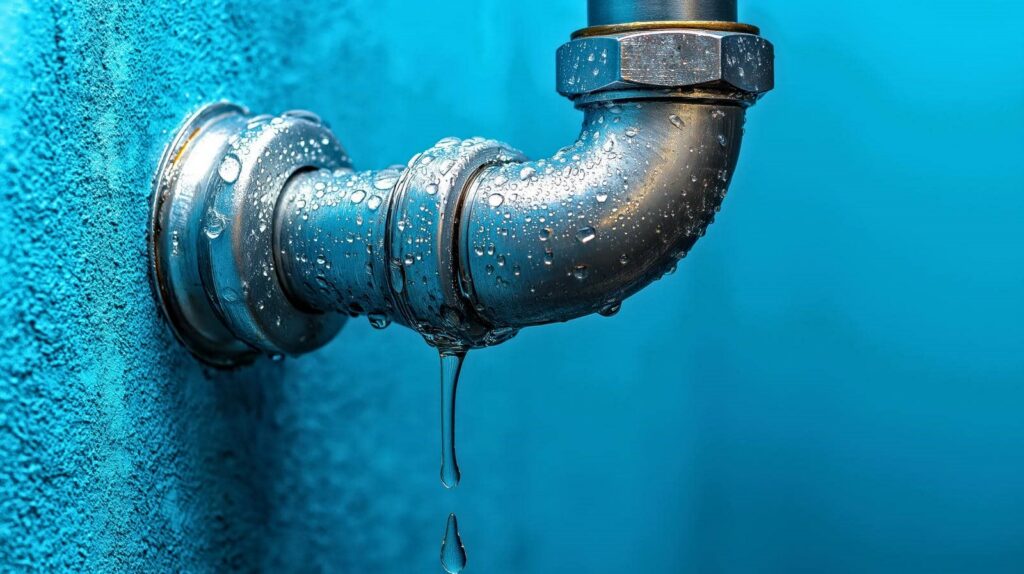
Water cascades across your floor, pooling in corners and creeping toward your walls. When a pipe bursts, every second counts to halt the damage. You need to act swiftly, but knowing the right pipe cleanup steps can make all the difference. From shutting off the main valve to understanding insurance intricacies, your immediate actions set the tone for recovery. What’s your next move to ensure a smooth cleanup and claims process?
Key Takeaways
- Immediately turn off the main shut-off valve to stop water flow and minimize damage after a pipe bursts.
- Use a wet/dry vacuum or absorbent towels for efficient removal of standing water.
- Document all damage with photos for insurance claims and quick reference later.
- Contact water damage professionals for thorough cleanup and to avoid mold growth.
- Understand your insurance policy details to ensure timely and accurate claim submissions.
Immediate Actions to Take After a Pipe Bursts
When a pipe bursts, your first move should be to stop the water flow. Locate the main shut-off valve in your home and turn it off immediately.
Next, grab your emergency kit—this should include towels, a flashlight, and a phone to call for help.
Conduct a quick pipe inspection to identify the source of the leak. If you can safely reach it, use tape or a clamp to temporarily seal the pipe until a professional can arrive.
Document the damage for insurance purposes by taking photos. Communicate with your insurer promptly, as timely reporting can streamline your claim process.
Safe Methods for Cleaning Water Damage
After securing the water flow and documenting the damage, the next step involves safely cleaning up the water.
Start by using a wet/dry vacuum to remove standing water efficiently. For smaller areas, absorbent towels can do the trick.
Once the bulk of the water’s gone, focus on drying techniques. Use fans and dehumidifiers to circulate air and reduce moisture levels. This is essential for mold prevention, as mold thrives in damp environments.
Remember to inspect hidden areas, like under carpets and inside walls, where moisture may linger. Regularly check these spots for any signs of mold.
Why You Should Call in Water Damage Pros
While you might be tempted to tackle water damage cleanup on your own, calling in water damage professionals can save you time and prevent further issues.
These experts bring specialized equipment and techniques that ensure a thorough job, addressing hidden moisture that DIY efforts often miss.
Professional assistance can greatly reduce the risk of mold growth and structural damage, which could lead to costly repairs down the line.
They also understand the nuances of water damage restoration, from evaluating the extent of the problem to implementing effective drying methods.
Understanding Your Home Insurance for Water Damage
When it comes to water damage, understanding your home insurance policy is essential.
You’ll want to know what your coverage includes and the steps involved in filing a claim.
Familiarizing yourself with these details can save you time and stress during an already challenging situation.
Policy Coverage Details
Understanding your home insurance policy is essential, especially since water damage from a burst pipe can lead to significant repair costs. Familiarizing yourself with policy exclusions and coverage limits can save you from unexpected financial burdens.
| Coverage Type | Details |
|---|---|
| Water Damage | Typically covered, check limits |
| Policy Exclusions | Pre-existing issues often excluded |
| Deductibles | Amount you pay before coverage |
| Claim Limits | Maximum payout per incident |
Make sure to review your policy carefully. Knowing what’s included and what isn’t will empower you to take the right steps if disaster strikes. Don’t wait until it’s too late—understand your coverage today!
Claim Process Steps
Maneuvering the claim process for water damage can be straightforward if you follow the right steps. Start by gathering all necessary claim documentation, including photos of the damage, repair estimates, and any relevant receipts.
It’s essential to report the incident to your insurer promptly; many policies have specific claim timelines that you need to adhere to. After submitting your claim, stay proactive—follow up with your adjuster for updates and additional requirements.
Keep detailed records of all communications. Understanding your coverage will help you know what to expect during the process, ensuring you feel supported.
Essential Documents Needed for Water Damage Claims
To successfully navigate a water damage claim, you’ll need to gather specific documents that substantiate your case.
Having a solid documentation checklist will streamline your claim submission and make the process easier.
Here are four essential items to collect:
- Photos of Damage: Capture images showing the extent of the water damage.
- Repair Estimates: Get written estimates from contractors for repairs needed.
- Receipts: Keep receipts for any emergency repairs or mitigation measures you’ve taken.
- Insurance Policy: Have a copy of your insurance policy handy to reference coverage details.
These documents will support your claim and demonstrate your proactive approach in resolving the situation.
Common Mistakes in Water Damage Insurance Claims
While managing water damage insurance claims, many homeowners unknowingly make critical mistakes that can jeopardize their compensation. One common misconception is thinking all water damage is covered. However, policies often exclude specific incidents, leading to claim denials.
Failing to document the damage properly is another pitfall; without clear evidence, insurers may challenge your claim. Additionally, delaying your claim submission can hurt your chances of receiving full compensation, as insurers expect timely reporting.
Not understanding your policy’s coverage limits can also result in unexpected out-of-pocket expenses. By avoiding these errors, you can navigate the claims process more effectively, ensuring you’re not left without the financial support you need during this challenging time.
How to Choose a Reliable Restoration Company
When choosing a reliable restoration company, start by verifying their credentials and licensing to ensure they meet industry standards.
Next, assess their experience and expertise in handling water damage situations, as this can greatly impact the quality of their work.
Finally, review their response time standards to make sure they can act quickly when you need help the most.
Verify Credentials and Licensing
How can you ensure that the restoration company you choose is reputable? Start with thorough credential verification and verify that they meet local licensing requirements. Here’s how to assess their legitimacy:
- Check Licenses: Confirm they’re licensed in your state and industry.
- Verify Insurance: Ensure they carry liability and worker’s compensation insurance.
- Look for Certifications: Check for certifications from recognized industry organizations, indicating specialized training.
- Read Reviews: Look at customer feedback and ratings to gauge their reputation.
Taking these steps helps you select a trustworthy company, verifying your home is in good hands.
You deserve a team that prioritizes your needs and meets all necessary standards for the job.
Assess Experience and Expertise
After verifying credentials and licensing, evaluating the experience and expertise of a restoration company is essential.
Start with an experience evaluation; look for companies with a strong track record in water damage restoration. Check how long they’ve been in business and the range of projects they’ve handled.
Next, conduct an expertise assessment by reviewing customer testimonials and case studies. Did they successfully manage similar situations?
Also, ask about their training and certifications—this can indicate their commitment to staying updated with industry standards.
A company that values both experience and expertise will restore your property effectively and provide the peace of mind you deserve during a stressful time.
Choose wisely to ensure a reliable partnership.
Review Response Time Standards
Choosing a reliable restoration company hinges greatly on their response time standards, as prompt action can minimize damage and costs.
When reviewing potential companies, consider the following:
- 24/7 Availability: Confirm they provide around-the-clock service to address emergencies anytime.
- Response Time Ensures: Look for companies that commit to specific response times, ideally within one hour.
- Industry Standards Compliance: Research if they meet or exceed industry standards for response and service delivery.
- Customer Reviews: Check testimonials and ratings to see if past clients praise their quick response times.
Preventing Future Water Damage From Pipe Issues
While addressing existing pipe issues is essential, preventing future water damage demands a proactive approach. By implementing effective strategies, you can safeguard your home against potential risks. Here’s a quick reference table to guide you:
| Strategy | Description | Benefits |
|---|---|---|
| Pipe Insulation | Insulate pipes to prevent freezing | Reduces burst risks |
| Regular Inspections | Schedule expert evaluations | Early leak detection |
| Plumbing Upgrades | Invest in modern, durable materials | Increased reliability |
| Seasonal Maintenance | Check systems before extreme weather | Enhances moisture control |
| Drainage Solutions | Optimize drainage systems | Prevents overflow issues |
Incorporating pressure regulation and effective moisture control will further enhance your home’s resilience against water damage. Stay proactive, and your home will thank you.
Tips for Regular Home Maintenance to Avoid Water Damage
To effectively prevent water damage, it’s crucial to establish a routine maintenance schedule for your home.
Regular upkeep minimizes risks and fosters a sense of community care.
Here are four key tips:
- Seasonal Inspections: Check for leaks and signs of moisture in your home, especially after heavy rain.
- Gutter Maintenance: Clean gutters regularly to ensure proper drainage and prevent overflow.
- Appliance Checks: Inspect washing machines and dishwashers for wear, and consider installing a water sensor for early leak detection.
- Pipe Insulation: Insulate pipes to protect against freezing, and invest in plumbing upgrades to enhance overall efficiency.
Frequently Asked Questions
How Quickly Can I Expect Cleanup to Start After Reporting a Burst Pipe?
Once you report a burst pipe, you can expect cleanup to start within a few hours. Emergency response teams prioritize your situation, ensuring a swift cleanup timeline to minimize damage and restore your home’s safety.
Will My Insurance Cover All Types of Water Damage From a Burst Pipe?
Your insurance might cover water damage from a burst pipe, but watch out for coverage limits and policy exclusions. It’s essential to review your policy details to ensure you’re fully protected when disaster strikes.
What Should I Do if My Insurance Claim Is Denied?
If your claim’s denied, gather documentation and review your policy. Then, file a claim appeal and engage in insurance negotiation. Staying persistent can help you secure the coverage you deserve. Don’t hesitate to seek assistance.
Are There Any Health Risks Associated With Water Damage Cleanup?
Oh, you think water damage is just a splash? Think again! Waterborne pathogens, mold spores, and structural damage lurk, creating contamination risks and respiratory issues with potential long-term effects. Stay vigilant, or face the consequences!
How Can I Prevent Mold Growth After a Pipe Burst?
To prevent mold growth after a pipe burst, focus on moisture control. Dry affected areas quickly, use dehumidifiers, and ensure proper ventilation. Regularly check for leaks and maintain low humidity levels to enhance mold prevention.
Wrap-Up
Responding swiftly to a burst pipe can save you significant headaches and costs. By following the outlined steps and enlisting professional help, you protect your property and streamline your insurance claims process. Prioritizing regular maintenance and understanding your coverage can help prevent future issues, ensuring peace of mind for you and your home.