
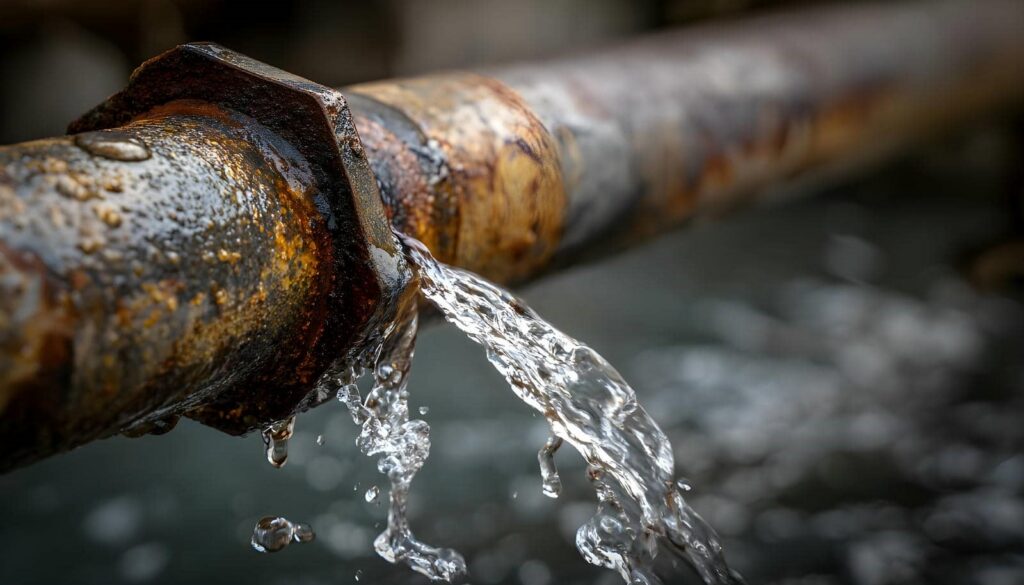
When burst pipes cause flooding, acting quickly is essential to minimize damage and health risks. Effective flood cleanup methods protect your property from structural deterioration and mold growth. By employing techniques like submersible pumps and dehumidifiers, you can ensure thorough drying and lower humidity levels. Evaluating the source of the water and documenting the damage for insurance claims is also imperative. But what specific steps should you take to secure a successful recovery?
Key Takeaways
- Effective cleanup methods prevent extensive water damage, minimizing repair costs and preserving property value.
- Quick action reduces health risks associated with mold growth and contamination from standing water.
- Proper techniques ensure thorough drying, preventing structural deterioration and long-term issues.
- Using moisture meters helps identify hidden water pockets, crucial for comprehensive cleanup and prevention.
- Professional intervention may be necessary for large-scale damage, ensuring safe and effective mold remediation.
Why You Must Act Fast After a Flood
When a flood strikes, you must act quickly to minimize damage and health risks. Your flood response starts with evaluating the situation and ensuring safety.
First, turn off electricity and gas to prevent hazards. Next, implement emergency measures to contain water, like using sandbags or barriers.
Swiftly remove standing water to reduce the risk of mold and structural damage. Prioritize salvaging important items, as time is critical in preventing irreversible loss.
Remember, the longer water sits, the greater the potential for contamination and damage. Collaborate with local authorities and professionals to ensure effective cleanup and recovery.
Key Steps in Assessing Water Damage
Although you may feel overwhelmed after a flood, evaluating water damage is crucial for effective recovery.
Start by following these key steps to ensure a thorough assessment:
- Water Source Identification: Determine where the water came from—whether it’s a burst pipe, rainwater, or sewage. This helps prioritize your response.
- Damage Assessment Techniques: Use moisture meters and infrared cameras to detect hidden water and assess structural integrity. Visual inspections alone may miss critical areas.
- Document the Damage: Take photos and notes of affected areas. This documentation is essential for insurance claims and future reference.
Best Practices for Removing Standing Water Quickly
After evaluating water damage, the next priority is to remove standing water quickly to prevent further issues.
Start by using a submersible pump for effective standing water removal, as it can handle large volumes efficiently. If the area is small, a wet/dry vacuum may suffice for quick drainage.
Confirm you wear protective gear to safeguard against contaminants.
After the bulk of the water is removed, use fans and dehumidifiers to enhance airflow and expedite drying.
Check for hidden pockets of water, especially in wall cavities or flooring, to avoid mold growth.
Why Structural Drying Is Essential After Flooding
After flooding, structural drying is essential to prevent mold growth, which can pose serious health risks.
It also helps preserve the integrity of your building materials, ensuring they remain sound and safe.
Additionally, effective drying enhances indoor air quality, creating a healthier living environment.
Prevent Mold Growth
When floodwaters recede, the urgency to implement structural drying becomes critical, as lingering moisture can create an ideal environment for mold growth.
To effectively prevent mold, you need to prioritize these mold prevention strategies:
- Prompt Drying: Start drying out affected areas within 24-48 hours to reduce moisture levels.
- Humidity Control: Use dehumidifiers to maintain indoor humidity below 60%. This helps inhibit mold spores from thriving.
- Thorough Cleaning: Clean and disinfect surfaces to eliminate any mold spores that may remain.
Preserve Structural Integrity
Mold prevention is only one aspect of post-flood recovery; preserving the structural integrity of your home is equally important.
After a flood, conducting a thorough moisture assessment is essential to identify hidden water sources that can compromise your property. Excess moisture can weaken materials and jeopardize foundation stability, leading to long-term structural issues.
By utilizing effective structural drying methods, you can minimize damage and ensure that your home remains safe and sound. This process helps eliminate excess moisture, preventing rot and deterioration.
Enhance Indoor Air Quality
Effective structural drying is essential for preserving your home’s integrity and for enhancing indoor air quality after a flood.
Moisture can lead to the growth of mold and other indoor pollutants, which can compromise your health and comfort. To ensure clean air, consider these steps:
- Thorough Drying: Remove excess moisture from all surfaces to prevent mold growth.
- Air Filtration: Use high-efficiency particulate air (HEPA) filters to capture airborne pollutants and allergens.
- Regular Monitoring: Keep an eye on humidity levels to maintain a healthy environment.
Preventing Mold Growth After Flooding
Although flooding can wreak havoc on your property, taking swift action to prevent mold growth is essential for maintaining a safe environment. To effectively manage moisture control, follow these key steps:
| Step | Description |
|---|---|
| Remove Standing Water | Use pumps or wet vacuums immediately. |
| Dry Affected Areas | Increase ventilation and use dehumidifiers. |
| Clean and Disinfect | Use mold-resistant cleaners on surfaces. |
| Monitor Humidity | Keep indoor humidity below 60%. |
Essential Equipment for Flood Cleanup
When tackling flood cleanup, having the right equipment is vital for efficiency and safety. You’ll want to make sure you’re prepared for effective water extraction and restoration.
Here are three key items to have on hand:
- Flood Pumps: These are essential for removing large volumes of water quickly.
- Drying Equipment: Dehumidifiers and air movers help eliminate residual moisture, preventing mold growth.
- Moisture Meters: These tools help you monitor moisture levels in materials, ensuring thorough drying.
Don’t forget your protective gear to stay safe while working, and keep restoration tools handy for repairs.
With the right equipment, you can tackle the challenges of flood cleanup and restore your space efficiently.
When to Hire Professional Water Damage Experts
Flood cleanup can be a challenging task, and while having the right equipment is important, knowing when to call in professionals is equally essential.
If you’re facing extensive water damage or if water has soaked into walls, flooring, or insulation, hiring water damage experts is vital. They’ll conduct a thorough damage assessment, identifying hidden issues that you might overlook.
Additionally, if you notice mold growth or odors, it’s time to reach out for professional help. These experts use advanced techniques and equipment for effective water restoration, ensuring your space is safe and dry.
Don’t wait until the damage worsens; investing in professional assistance can save you time, money, and stress in the long run.
Common Flood Cleanup Mistakes to Avoid
One of the most critical aspects of flood cleanup is avoiding common mistakes that can exacerbate damage and pose health risks. You may think you can handle everything alone, but that’s a cleanup myth.
Rushing through the process often leads to timing errors that can worsen the situation. Here are three mistakes to avoid:
- Ignoring Water Source: Don’t just focus on visible water; locate and stop the source of the flooding.
- Neglecting Safety Gear: Always wear protective gear to prevent exposure to contaminants.
- Forgetting to Dry Thoroughly: Incomplete drying can lead to mold growth, creating long-term health issues.
Long-Term Solutions for Preventing Burst Pipes
To prevent burst pipes, it’s crucial to adopt proactive measures throughout your home. Start with pipe insulation to protect against extreme temperatures.
Regular maintenance ensures your plumbing system operates efficiently, while temperature control can prevent freezing in colder months.
Implement pressure regulation to avoid excessive stress on your pipes, and invest in water leak detection systems for early identification of potential issues.
Emergency preparedness is essential; have a plan in place for quick action if a leak occurs.
Don’t overlook plumbing upgrades that enhance durability and efficiency.
Finally, conduct seasonal checks to identify vulnerabilities before they lead to damage.
What to Do If You Find Mold After Flooding?
If you find mold after flooding, it’s essential to identify the types of mold present as some can be hazardous.
Prioritize safety by using protective gear and ensuring proper ventilation in the area.
If the infestation is extensive, consider professional removal to effectively address the issue.
Identify Mold Types Quickly
As you inspect your home after flooding, recognizing the different types of mold that may have developed is essential for effective remediation.
Using mold identification techniques can help you quickly pinpoint the problem. Here are three common mold types to look for:
- Aspergillus: This mold appears in various colors and can grow on many surfaces, often leading to health issues.
- Stachybotrys (Black Mold): Recognizable by its dark green or black color, it thrives in damp environments and can be particularly harmful.
- Penicillium: Typically blue or green, this mold can cause allergic reactions and is often found on water-damaged materials.
Safety Precautions First
When you discover mold after flooding, prioritizing safety is vital to protect your health and property.
First, don’t attempt to handle the situation without proper safety gear, including gloves, masks, and goggles. Mold spores can pose serious respiratory risks, so it’s important to shield yourself.
Before starting any cleanup, make sure you’ve identified your emergency contacts, such as local health departments or mold remediation specialists. If the affected area is large, evacuate and consult a professional.
Keep your living space ventilated during the process to minimize exposure.
Professional Removal Recommendations
Once safety measures are in place, addressing mold issues promptly is important to prevent further damage and health risks.
Here are three steps to evaluate:
- Assess the Damage: Inspect the affected areas for mold growth.
Use moisture meters to identify hidden dampness, as this can inform your flood mitigation strategies.
- Implement Water Extraction Techniques: Remove any standing water to create a dry environment.
Employ dehumidifiers and fans to expedite drying, reducing mold’s ability to thrive.
- Professional Removal: If mold is widespread, it’s wise to consult professionals.
They’ve the necessary equipment and expertise to safely remove mold and prevent future outbreaks.
Frequently Asked Questions
What Are the Health Risks Associated With Floodwater Exposure?
Floodwater exposure poses significant health risks due to contamination. You can face infections, gastrointestinal issues, and respiratory problems from pollutants. It’s essential to address these health effects promptly to protect yourself and your loved ones.
How Can I Prepare My Home for Potential Flooding?
Better safe than sorry! You can prepare your home by implementing flood proofing techniques like elevating utilities and sealing entry points. Stock up on emergency supplies, ensuring you’re ready for any unexpected flooding situation.
What Insurance Coverage Is Available for Water Damage?
You can secure water damage coverage through homeowners or renters insurance. These policies often include specific clauses for insurance claims related to burst pipes, ensuring you’re financially protected during unexpected flooding incidents. Always review your policy details.
Are There DIY Methods for Flood Cleanup?
Yes, you can use DIY techniques for flood cleanup. Gather cleanup tools like mops, buckets, and wet vacuums. Start by removing standing water, then dry surfaces thoroughly to prevent mold growth and further damage.
How Do I Choose the Right Flood Cleanup Company?
To choose the right flood cleanup company, consider cost factors and read service reviews carefully. Look for reliable, experienced providers that align with your needs, ensuring you feel supported throughout the cleanup process.
Recap
In the face of flooding from burst pipes, acting swiftly is your best ally. Think of it as a race against time; every moment counts in preventing further damage. By employing effective cleanup methods, you safeguard your property and protect your health from lurking mold. Remember, just as heroes rise in crisis, so should you take decisive action. Don’t hesitate—your quick response can make all the difference in restoring your home.