
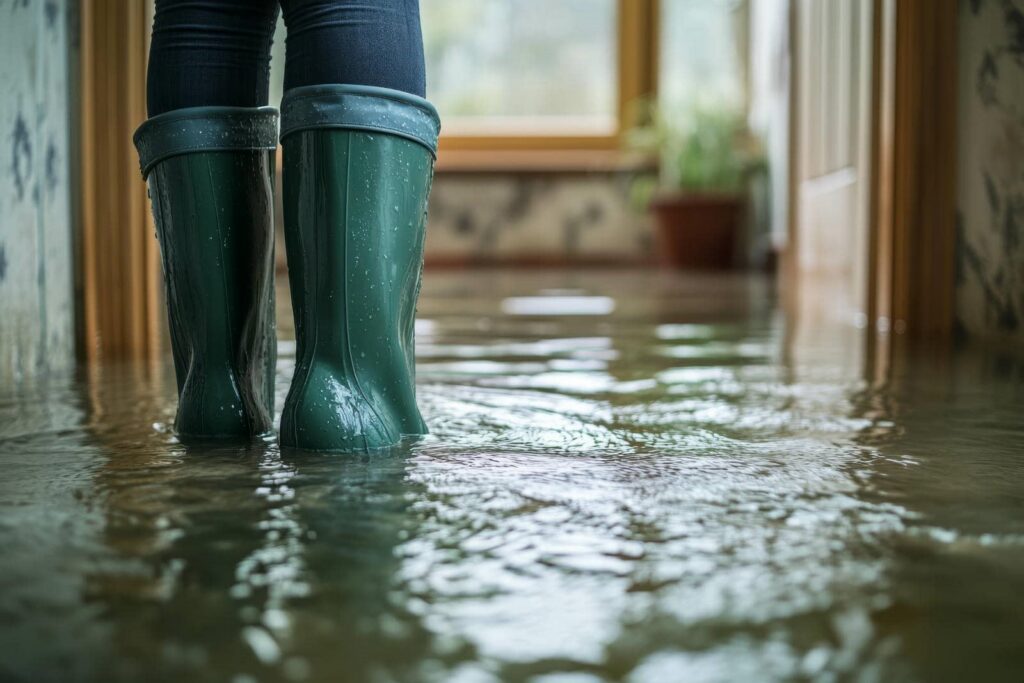
When water damage occurs, it can feel like an unwelcome guest has overstayed its welcome. You might be wondering how to effectively manage cleanup without breaking the bank. Fortunately, there are several cost-effective options available that can help you tackle the situation efficiently. From DIY techniques to renting essential equipment, understanding your choices can make a significant difference in recovery efforts. Let’s explore these strategies to find the best fit for your needs.
Key Takeaways
- Utilize DIY techniques like wet/dry vacuums and natural absorbents to minimize cleanup costs and effectively manage water damage.
- Rent equipment such as high-capacity pumps and dehumidifiers to access professional-grade tools without the expense of purchasing.
- Gather and document evidence of damage for potential insurance claims, which can help offset cleanup expenses.
- Salvage as many items as possible and discard only irreparable ones to reduce overall replacement costs.
- Clean surfaces with a mild detergent and water mixture to ensure proper sanitation without the need for expensive cleaning products.
Assessing the Extent of Water Damage
How can you effectively determine the extent of water damage in your home? Start with water source identification to pinpoint where the issue originated. Look for visible signs, such as stains or mold, and check areas prone to moisture, like basements and bathrooms.
Utilize damage assessment techniques, including moisture meters, to measure the levels of water in walls and floors. This helps you understand how deeply the damage penetrates.
Next, inspect the structural integrity of affected areas. Weakness or warping can indicate severe damage. Don’t forget to assess personal belongings, as they may require special attention.
Document your findings with photos and notes to streamline the restoration process. By taking these steps, you’ll create a thorough overview of your water damage situation, making it easier to plan your next actions effectively. Your proactive approach can lead to more efficient, cost-effective cleanup solutions.
DIY Water Damage Cleanup Techniques
When tackling water damage cleanup on your own, having the right tools is essential for an effective process.
You’ll need items like a wet/dry vacuum, fans, and dehumidifiers to assist in drying out the affected areas.
Let’s break down the step-by-step process to ensure you address the situation safely and efficiently.
Essential Tools Required
While tackling water damage cleanup on your own can seem intimidating, having the right tools at your disposal makes the process more manageable and effective.
Here are three fundamental tools you should have for successful water damage cleanup:
Wet/Dry Vacuum: This tool is essential for water extraction, allowing you to remove standing water quickly and efficiently.
Moisture Meter: To ensure thorough drying, a moisture detection tool helps identify hidden damp areas that may lead to mold if not addressed.
Fans and Dehumidifiers: These are critical for drying out the area, helping to reduce humidity and prevent further damage.
With these tools in hand, you’ll be well-equipped to tackle the challenges of water damage cleanup confidently.
Step-by-Step Process
Begin your water damage cleanup by evaluating the extent of the damage. Check all affected areas, noting any structural issues or mold growth.
Next, gather your essential tools and safety gear. Start by removing standing water using a wet/dry vacuum or mop.
Once the area is dry, focus on salvaging items—discard anything irreparable. Use fans and dehumidifiers to ensure thorough drying, which is vital to prevent mold.
Clean surfaces with a mixture of water and mild detergent to eliminate contaminants.
Finally, monitor the space for any signs of lingering moisture or mold. Following these cleanup strategies will help you restore your home effectively, ensuring a safe and healthy environment for you and your loved ones.
Utilizing Natural Absorbents
Although water damage can be overwhelming, utilizing natural absorbents offers an eco-friendly and cost-effective solution to mitigate the issue.
By incorporating natural materials into your cleanup strategy, you can effectively manage water spills while being kind to the environment.
Here are three natural absorbents you can use:
Cotton Towels: These absorbent fabrics are excellent for soaking up excess water quickly. You probably have some at home already.
Bamboo Fabric: Known for its high absorbency, bamboo fabric can handle large amounts of moisture, making it a great choice for serious spills.
Sawdust: This natural material is biodegradable and effective in absorbing water, especially on hard surfaces.
Renting Equipment for Water Removal
When faced with significant water damage, renting equipment for water removal can be a practical and efficient choice that saves you both time and money.
Many local hardware stores and rental companies offer a variety of tools specifically designed for water extraction, including high-capacity pumps, wet vacuums, and dehumidifiers. By opting for equipment rental, you gain access to professional-grade tools without the hefty price tag associated with purchasing them.
Before renting, assess the extent of the water damage to determine which equipment is necessary for effective water removal. Make certain to inquire about user instructions and safety guidelines to ensure proper handling.
Additionally, check if the rental company provides delivery and pickup services, as this can further streamline your cleanup process. Renting equipment expedites your recovery and fosters a sense of community as you tackle the challenge together with local resources.
Partnering With Local Restoration Services
Partnering with local restoration services can greatly enhance your water damage recovery efforts, as these professionals possess the expertise and resources necessary to tackle extensive damage efficiently.
By forming local partnerships, you’ll benefit from their skills and foster community connections that can be invaluable during tough times.
Here’s what to evaluate when establishing service agreements with them:
Rapid Response: Local experts can arrive quickly, minimizing further damage and reducing recovery costs.
Tailored Solutions: They understand the unique challenges of your area and offer customized approaches to restore your property.
Ongoing Support: Many local services provide follow-up inspections and maintenance advice, ensuring long-term protection against future water issues.
Embracing these partnerships can lead to a smoother, more effective recovery process and help you feel supported throughout your water damage restoration journey.
Insurance Claims for Water Damage
Maneuvering through the insurance claims process for water damage can be intimidating, especially if you’re unfamiliar with the necessary steps and documentation.
Start by reviewing your insurance policy to understand your coverage and any exclusions. Gather evidence of the damage, including photos and repair estimates, to support your claim.
Next, notify your insurance provider as soon as possible. They’ll guide you through the claim process, which often involves filling out forms and providing detailed descriptions of the damage.
Be prepared for an adjuster to assess the situation, and make certain you communicate all relevant details.
Keep records of all correspondence and expenses related to the cleanup, as this will strengthen your claim.
Finally, don’t hesitate to ask questions or seek assistance from professionals if needed. Effective communication with your insurer can make this challenging process smoother, helping you feel more secure in your recovery efforts.
Preventative Measures to Avoid Future Damage
To effectively prevent future water damage, it’s crucial to regularly inspect and maintain your home’s plumbing and roofing systems.
By adopting a proactive approach, you can safeguard your space and foster a sense of community among your neighbors.
Here are three important steps to take into account:
- Conduct Routine Inspections: Check for leaks, cracks, or signs of water damage in plumbing and roofing.
Don’t overlook hidden areas like basements and attics.
Implement Waterproofing Solutions: Invest in quality waterproofing products for your foundation and exterior walls, ensuring your home remains dry during heavy rains.
Clean Gutters and Downspouts: Regularly clear debris to prevent water from pooling around your home, reducing the risk of foundation damage.
Frequently Asked Questions
How Can I Identify Hidden Water Damage in My Home?
To identify hidden water damage in your home, look for signs of hidden leaks like water stains, mold growth, or peeling paint. Utilize moisture detection tools for precise assessment and ensure your home remains safe and dry.
What Should I Do Immediately After Discovering Water Damage?
Immediately after discovering water damage, you should initiate your emergency response. Start by turning off the water source, moving valuables, and documenting the damage with photos. These initial steps can prevent further issues and aid recovery efforts.
Are There Any Health Risks Associated With Water Damage?
Yes, there are health risks associated with water damage. Mold growth can occur within 24-48 hours, leading to respiratory issues and other health concerns. Prompt action is essential to minimize these risks and protect your well-being.
How Long Does It Take for Water Damage to Show?
Water damage can show within hours to days, depending on the severity. You should watch for early signs like discoloration, musty odors, or peeling paint, which indicate a concerning water damage timeline that needs immediate attention.
Can I Claim Water Damage if It Was Caused by a Natural Disaster?
Absolutely, you can claim water damage caused by a natural disaster, provided your insurance policy includes coverage for such events. It’s crucial to review your policy and document the damage thoroughly for successful natural disaster claims.
Review
In steering through the waters of water damage cleanup, you’re not just restoring your space; you’re reclaiming peace of mind. By employing cost-effective methods, from DIY approaches to renting essential equipment, you can tackle the situation without breaking the bank. Remember, every challenge is an opportunity in disguise. Should the need arise, don’t hesitate to reach out to local professionals who can lend a helping hand, ensuring your home returns to its former glory with minimal fuss.