
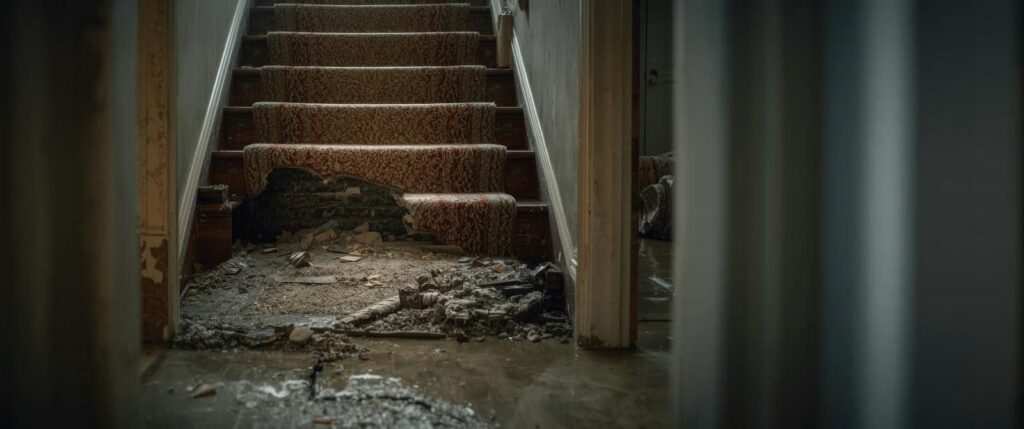
Water damage cleanup and claims services involve evaluating damage, restoring affected areas, and navigating insurance processes. These essential steps help mitigate loss and ensure you recover financially. Understanding how to effectively manage both cleanup and claims can notably impact your property’s restoration timeline. Yet, many property owners often overlook critical aspects that could streamline recovery. What are these overlooked details, and how can you ensure a smoother process?
Key Takeaways
- Water damage cleanup involves extracting water, drying affected areas, and sanitizing to prevent mold and structural damage.
- Professional services ensure prompt response and effective restoration using advanced techniques tailored to specific water damage types.
- Assessing water damage includes visual inspections and moisture measurement to determine the extent and source of the issue.
- Navigating insurance claims requires understanding policy coverage, documenting damage, and maintaining clear communication with the insurance company.
- Preventive measures, such as installing water sensors and maintaining drainage systems, help protect properties from future water damage.
Understanding Water Damage Types
When it comes to water damage, understanding the different types can greatly influence your response and recovery efforts.
Flood damage often results from heavy rainfall or rising waters, while sewage backup poses serious health risks and requires immediate attention.
Storm damage can lead to various issues, including roof leaks that compromise your home’s integrity.
Plumbing leaks are another common issue, manifesting in burst pipes or failed appliances, which can cause extensive water saturation.
Groundwater intrusion is particularly insidious, as it may occur unnoticed, leading to long-term structural damage.
Each type of water damage demands a tailored response, as the severity and source dictate the appropriate cleanup methods.
Recognizing these distinctions helps you act swiftly and fosters a sense of community, as you’re better equipped to share knowledge and support others facing similar challenges.
The Importance of Prompt Water Damage Cleanup
Prompt water damage cleanup is essential for several reasons.
It helps prevent mold growth, which can pose serious health risks, and it minimizes structural damage that could lead to costly repairs.
Addressing water damage quickly protects your property and safeguards your well-being.
Preventing Mold Growth
Mold growth can swiftly become a significant issue following water damage, making timely cleanup critical.
To effectively combat mold, you need to implement mold prevention techniques right away. Start by thoroughly drying affected areas within 24-48 hours, as mold thrives in damp environments. Use dehumidifiers and proper ventilation to reduce moisture levels.
If mold does appear, understanding mold remediation methods is essential. This involves containing the mold to prevent its spread, using appropriate cleaning solutions, and ensuring the area is completely dry post-remediation.
By acting promptly and applying these strategies, you can protect your home and well-being, fostering a safe environment for you and your community.
Reducing Structural Damage
Timely water damage cleanup is essential for minimizing structural damage to your property. When you act quickly, you prevent water from seeping into walls, floors, and foundations, which can weaken the core of your structure.
Employing effective waterproofing techniques can help create barriers against future water intrusion, further protecting your investment. Structural reinforcements, such as steel beams or advanced materials, can also be integrated during repairs to enhance durability.
Delaying cleanup not only risks significant repairs but could also lead to costly insurance claims. By prioritizing immediate action and using proper methods, you safeguard your home and ensure its longevity, fostering a sense of security and belonging in your living environment.
Minimizing Health Risks
When water damage occurs, acting quickly is vital to minimize health risks associated with mold growth and bacterial contamination.
Delaying cleanup can lead to serious health hazards, including respiratory issues and allergic reactions. By implementing preventive measures, such as using dehumidifiers and ensuring proper ventilation, you can greatly reduce the likelihood of mold proliferation.
It’s also important to assess and address any water sources immediately to prevent further damage. Engaging professional cleanup services expedites the process and ensures thorough sanitation, protecting both your health and the integrity of your home.
Steps Involved in Water Damage Cleanup
Effective water damage cleanup involves several vital steps to restore your property and prevent further issues.
First, you’ll need to perform water extraction, removing standing water as quickly as possible. This step is essential to minimize damage and limit the growth of mold.
Once the water is extracted, the focus shifts to the drying process. You’ll want to use dehumidifiers and air movers to ensure that all affected areas are thoroughly dried. This can take several days, depending on the severity of the damage and the materials involved.
During this time, it’s important to monitor humidity levels to prevent lingering moisture.
After drying, inspect the property for any signs of mold or structural damage.
Finally, sanitizing the area is imperative to eliminate any contaminants.
Following these steps diligently will help you restore your home effectively and safeguard against future water-related problems.
Assessing the Extent of Water Damage
To effectively assess the extent of water damage, you need to recognize the different types of damage and their potential sources.
Employing visual inspection techniques alongside moisture measurement tools will allow you to accurately gauge the severity of the situation.
This thorough assessment is vital for determining the appropriate cleanup and claims process.
Types of Water Damage
Water damage can manifest in various forms, each requiring a distinct approach for assessment and remediation.
You might encounter flood damage from natural disasters or storm damage due to heavy rains.
Sewage backup presents serious health risks and demands immediate attention.
Appliance leaks, often unnoticed, can lead to significant structural issues over time.
Basement flooding commonly arises from burst pipes or heavy rainfall, while roof leaks can compromise upper levels of your home.
Water stains often indicate hidden damage, originating from plumbing failures or leaks.
Recognizing these types of water damage is essential for effective cleanup and claims.
Understanding the specific nature of the damage helps you make informed decisions and ensures a thorough remediation process.
Visual Inspection Techniques
Identifying the extent of water damage requires thorough visual inspection techniques that can reveal hidden issues.
You should start by examining visible signs such as discoloration, peeling paint, or warped surfaces. Pay attention to areas around windows, doors, and plumbing fixtures, as these are common entry points for water.
Inspect ceilings and floors for sagging or mold growth, which could indicate prolonged exposure. Documenting your findings during this damage assessment is essential; take photos and notes to support your claims later.
Additionally, check for musty odors that may signal unseen moisture. By employing these visual inspection techniques, you’ll gain a clearer understanding of the damage, enabling you to take informed steps toward remediation and recovery.
Moisture Measurement Tools
Several effective moisture measurement tools can help you accurately assess the extent of water damage in your property.
Moisture meters are essential for determining the moisture content in various materials, allowing you to pinpoint hidden issues in walls, floors, and ceilings. By using these devices, you can identify areas that require immediate attention.
Humidity sensors are equally important; they measure the ambient moisture in the air, helping you understand the overall environment and potential for mold growth.
Combining these tools gives you an extensive understanding of your property’s condition, guiding your cleanup and restoration efforts.
Using moisture meters and humidity sensors ensures a thorough assessment, ultimately protecting your home and your well-being.
Professional Water Damage Restoration Services
When your property suffers from water damage, timely and professional restoration services are essential to minimizing long-term effects. Engaging experienced professionals ensures a swift emergency response, critical to preventing further damage.
These experts utilize advanced restoration techniques tailored to your specific situation, such as water extraction, drying, and dehumidification. They assess the extent of damage and employ the proper methods to restore your property effectively.
By using state-of-the-art equipment, they can identify hidden moisture and eliminate mold risks, ensuring your home remains safe for you and your loved ones.
Moreover, these services often include assistance with debris removal and odor control, enhancing your environment’s comfort. Choosing professional restoration services expedites recovery and fosters a sense of community, as you connect with specialists dedicated to restoring your home and your peace of mind.
Trusting experts makes all the difference in your restoration journey.
Navigating Water Damage Insurance Claims
When managing water damage insurance claims, understanding your policy coverage is essential.
You need to know what’s included and excluded to avoid surprises during the claims process.
Additionally, documenting the damage effectively will support your claim and enhance your chances of receiving the compensation you deserve.
Understanding Policy Coverage
Understanding your insurance policy coverage is essential for effectively managing water damage claims. You need to familiarize yourself with the specifics of your policy to avoid surprises when disaster strikes. Knowing the details can help you navigate the complexities of your claim.
Be aware of policy limitations that might restrict the amount you can claim.
Understand coverage exclusions that could leave you unprotected in certain scenarios.
Regularly review your policy to ensure it meets your current needs.
Documenting Damage Effectively
Properly documenting water damage is vital for a successful insurance claim, as it provides the evidence needed to support your case.
Start with a thorough damage assessment, noting all affected areas and materials. Take detailed notes about the extent of the damage and the circumstances that led to it.
Photographic evidence is important; capture clear images from multiple angles to illustrate the impact. Be sure to date your photos and include close-ups of specific damage, like mold or structural issues.
Organize this documentation systematically, as it will enhance your credibility with the insurance adjuster. Clear and detailed records streamline the claims process and foster trust, ensuring you belong to a community of informed homeowners navigating similar challenges.
Common Challenges in Filing Water Damage Claims
Filing a water damage claim can be more complicated than it seems, especially due to various common challenges that policyholders face. Understanding these hurdles can help you navigate the process more effectively.
Claim Denial Reasons: Many claims are denied due to insufficient documentation or failure to meet policy requirements. Knowing what your policy covers is essential.
Claim Adjustment Process: The adjustment process can be lengthy and complex. Adjusters may take time to evaluate damage, leading to delays in receiving compensation.
Emotional Stress: Experiencing water damage is overwhelming. Managing the claim while dealing with the aftermath can lead to increased anxiety and confusion.
Key Documentation for Insurance Claims
While traversing the complexities of a water damage insurance claim, having the right documentation is essential for ensuring a smooth process. You’ll want to gather key evidence that supports your claim, including photographs of the damage, repair estimates, and any relevant receipts. This documentation substantiates your claim and helps to expedite the processing time.
Make sure to document the timeline of events, noting when the damage occurred and when you reported it to your insurer. This timeline is vital in the claim process, as it establishes the context of your situation.
Additionally, keep a record of all communications with your insurance company, including names, dates, and details of discussions. This organized approach strengthens your case while fostering a sense of community among those navigating similar challenges.
Having thorough documentation enhances your chances of a successful resolution.
Tips for Preventing Future Water Damage
To mitigate the risk of future water damage, it’s essential to adopt a proactive approach in maintaining your property.
Taking preventive measures protects your home and fosters a sense of community responsibility.
Here are some effective strategies you can implement:
Water sensor installation: These devices alert you to leaks or flooding, enabling timely responses before significant damage occurs.
Sump pump maintenance: Regularly check and maintain your sump pump to ensure it functions correctly during heavy rains, preventing basement flooding.
Gutter cleaning: Keep gutters clear of debris to ensure proper water drainage away from your home’s foundation.
Choosing the Right Water Damage Cleanup Company
When water damage strikes, selecting the right cleanup company can greatly impact the restoration process and your overall experience. Start by researching companies in your area; focus on those with solid customer reviews. These reviews provide insights into previous clients’ experiences and the quality of service you can expect.
Check for service ensures, as reputable companies often offer assurances on their work. This reflects their confidence and gives you peace of mind knowing you’re protected in case of unsatisfactory results.
Additionally, consider the company’s response time and availability, as prompt action is crucial in minimizing damage. Confirm they’re certified and equipped with the latest technology for efficient cleanup.
In the end, choosing a reliable water damage cleanup company means investing in your home’s future and ensuring a smoother restoration experience. Your community can help guide you to make the best choice.
Frequently Asked Questions
How Long Does Water Damage Cleanup Typically Take?
Water damage cleanup typically takes 1 to 5 days, depending on the extent of damage and materials affected. Understanding the restoration timeline helps you manage expectations and ensures a smoother recovery process for your space.
Will My Homeowner’s Insurance Cover All Water Damage?
Your homeowner’s insurance might not cover all water damage; it often depends on the types of damage. Review your policy closely, as coverage can be as elusive as a mirage in the desert, shifting and unpredictable.
Can I File a Claim for Mold Caused by Water Damage?
Yes, you can file a claim for mold caused by water damage, but insurance coverage varies. It’s essential to document the damage and consult your policy to understand specific terms regarding mold remediation and coverage limits.
What Should I Do Immediately After Discovering Water Damage?
Immediately contact emergency response services. Conduct an initial assessment to identify the extent of the damage. Document everything with photos and notes, ensuring you have accurate information for potential claims or further action.
Are DIY Cleanup Methods Effective for Severe Water Damage?
DIY techniques for severe water damage often fall short. While you can attempt water extraction, professional help is usually necessary to ensure thorough cleanup, prevent mold growth, and address underlying issues effectively. You deserve a safe home.
Summary
Maneuvering through the nuances of water damage cleanup and claims can feel intimidating, but prompt action is paramount. By prioritizing professional assistance, you’ll protect your property and streamline the claims process. With proper preparation and the right experts by your side, you can conquer the chaos of water-related woes. Remember, swift solutions safeguard your space and secure your peace of mind, ensuring a smoother recovery journey ahead.