
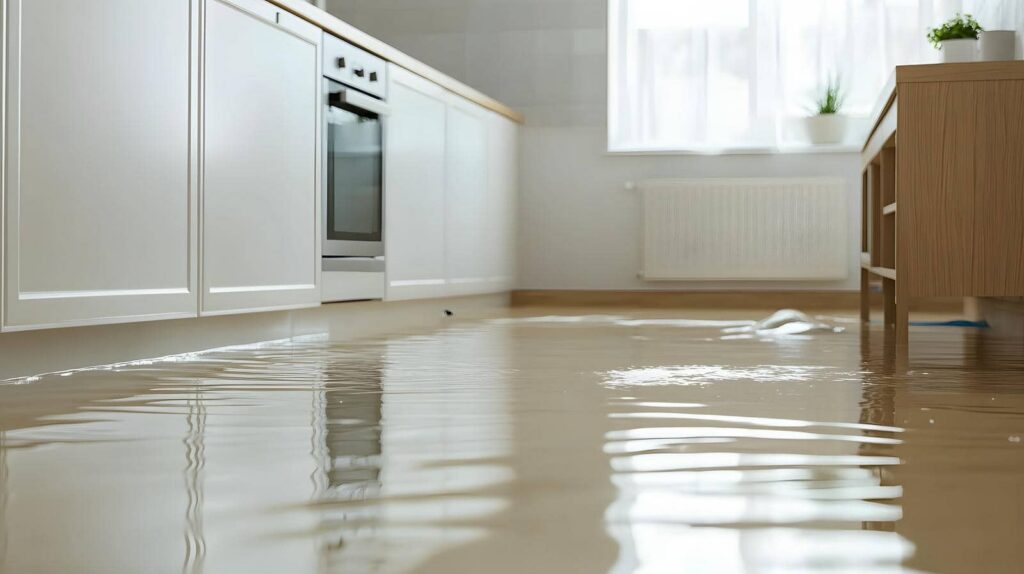
Flood Cleanup Strategies for Homeowners begin with a safe, organized response to minimize damage and speed up recovery. Start by assessing the extent of the flooding, checking for structural and electrical hazards, and removing standing water as quickly as possible. Thorough drying, cleaning, and disinfecting are just as important as water extraction to help prevent mold growth and long-term damage. Following the right cleanup strategy can protect your home, reduce repair costs, and restore your property more effectively.
Key Takeaways
- Conduct a thorough flood damage assessment using moisture meters and infrared cameras to identify affected areas and potential hazards.
- Ensure safety by wearing PPE, turning off electricity, and ventilating spaces to reduce mold growth during cleanup.
- Utilize water extraction methods like pumps and wet vacuums, followed by fans and dehumidifiers for effective drying.
- Document damage with photographs and an itemized inventory to support insurance claims and track repairs.
- Seek professional help for extensive damage, visible mold, or when cleanup exceeds your capacity to ensure thorough restoration.
How to Assess Flood Damage Effectively
How can you accurately assess flood damage? Start by gathering essential flood assessment tools like moisture meters and infrared cameras. These devices help detect hidden moisture and structural issues.
Next, follow a damage evaluation checklist to systematically document affected areas. Check for structural integrity, electrical systems, and personal belongings. Take photographs for insurance claims; visual evidence can be vital.
Don’t forget to assess the extent of water intrusion, noting any potential health hazards like mold. Prioritize safety and avoid entering unsafe areas.
Top Safety Precautions for Flood Cleanup
While flood cleanup is essential for recovery, prioritizing safety is crucial to prevent further injury or health risks. Always wear personal protective equipment (PPE) like gloves, boots, and masks to shield yourself from contaminants. Before entering a flooded area, verify electrical safety by turning off power at the main panel to avoid shock hazards.
| Safety Precaution | Importance | Action Required |
|---|---|---|
| Wear PPE | Protects from contaminants | Use gloves, masks, and boots |
| Turn Off Electricity | Prevents electrical shock | Switch off power at the main panel |
| Ventilate Area | Reduces mold growth | Open windows and doors |
| Avoid Standing Water | Prevents drowning and injury | Stay clear of deep water |
| Check for Hazards | Ensures safe environment | Inspect for debris or sharp objects |
Water Damage Removal Techniques for Homeowners
After a flood, tackling water damage effectively is crucial for restoring your home and preventing long-term issues. You can follow these key water damage removal techniques:
Water Extraction: Start with removing standing water using pumps or wet vacuums. The quicker you act, the less damage occurs.
Drying: Use fans and dehumidifiers to thoroughly dry affected areas. Keep windows open for ventilation if weather permits.
Material Restoration: Assess and salvage materials like drywall, flooring, and furniture. If items are too damaged, consider replacing them to maintain a safe environment.
These steps help in managing water damage and foster a sense of community as you restore your home.
Stay proactive to ensure your space remains safe and welcoming.
When Should You Call in Water Damage Professionals?
When you encounter significant water damage, it’s vital to assess the situation carefully.
If the extent of the damage surpasses your ability to manage or poses health risks, calling in water damage professionals is essential.
Their expertise ensures a thorough evaluation and proper remediation, protecting both your property and your health.
Severe Damage Assessment Needed
Evaluating the extent of flood damage is essential for determining whether to engage water damage professionals. Here are three key indicators that suggest you should call for expert help:
Structural Damage: If you notice compromised walls, ceilings, or floors, professionals can assess safety risks.
Extensive Water Accumulation: If there’s significant standing water, it may exceed your ability to manage with household equipment.
Mold Concerns: Visible mold growth or high humidity indicates potential long-term issues requiring specialized treatment.
Additionally, check your flood insurance policy to understand coverage and expedite your restoration timeline.
Engaging professionals ensures thorough cleanup and helps safeguard your home’s integrity and your family’s well-being.
Health Risks Present
Flood damage isn’t just about structural integrity; it also poses significant health risks that can worsen if left unaddressed.
Standing water creates an ideal environment for mold growth, leading to respiratory issues and allergic reactions. You mightn’t see the mold immediately, but it can develop rapidly within 24 to 48 hours post-flooding.
Additionally, contaminated water can harbor bacteria and other pathogens, presenting serious health hazards.
If you notice persistent odors, discoloration, or signs of moisture, it’s essential to act quickly. Calling in water damage professionals can help ensure thorough cleanup and mold remediation, safeguarding your home and health.
Don’t wait; addressing these risks promptly can prevent long-term consequences for you and your family.
Best Practices for Drying Out Your Home
As you tackle the aftermath of water damage, understanding the best practices for drying out your home is essential to prevent further issues like mold growth and structural damage.
Here are three key strategies to follow:
Use Dehumidifiers: Set up dehumidifiers in affected areas to efficiently remove moisture from the air. This helps reduce humidity levels quickly.
Enhance Air Circulation: Open windows and use fans to promote airflow throughout your home. Proper air circulation speeds up the drying process.
Remove Wet Materials: Remove carpets, rugs, and furniture that can retain moisture. This creates a more conducive environment for drying.
Proven Mold Prevention Techniques After Flooding
Once water enters your home, taking immediate action is essential to prevent mold growth, which can develop within just 24 to 48 hours.
Start by thoroughly drying affected areas using fans and dehumidifiers. Aim to maintain indoor humidity levels below 60% to inhibit mold proliferation.
Remove wet materials, including carpets and drywall, as they can retain moisture and foster mold. Clean surfaces with a mixture of water and detergent to eliminate spores.
Regularly inspect hidden areas like behind appliances and under sinks for signs of moisture.
Consider using mold-resistant paints and materials to further safeguard your home.
How to Document Flood Damage for Insurance Claims
When documenting flood damage for insurance claims, it’s crucial to act quickly and methodically to ensure you capture all necessary details.
Start by taking clear photos of all affected areas and items. This visual evidence is critical for your flood insurance claim.
Next, make a detailed list of damaged possessions, including descriptions, purchase dates, and estimated values.
Finally, keep records of any repairs or mitigation efforts you undertake.
- Photograph all damage—inside and outside.
- Create an itemized inventory—list everything affected.
- Save all receipts—for repairs and cleanup supplies.
Frequently Asked Questions
What Personal Protective Equipment Should I Wear During Cleanup?
During cleanup, wear protective gloves, waterproof boots, and a respirator mask. Safety goggles and protective clothing are essential, too. Always keep a first aid kit nearby for any potential injuries or emergencies that arise.
How Long Should I Wait Before Starting Cleanup Efforts?
Once the floodwaters recede, wait at least 24 to 48 hours before starting cleanup. Timing’s essential; the longer you delay, the more damage and health risks linger. Prioritize your safety and act with urgency.
Can I Use Regular Household Cleaners for Flood Damage?
You can use household disinfectants for flood damage, but make certain they’re effective against mold. Opt for products labeled for water damage, and always follow the manufacturer’s instructions to ensure safety and efficacy in your cleanup efforts.
What Are the Signs of Structural Damage After Flooding?
When it comes to spotting structural damage after flooding, look for water damage indicators like cracks, warping, or sagging. These signs threaten your home’s structural integrity, so don’t wait—address them promptly for safety.
How Can I Prevent Future Flooding in My Home?
To prevent future flooding, ensure your drainage systems function properly, install sump pumps, build flood barriers, and maintain proper property grading. These measures effectively reduce water accumulation, protecting your home and creating a safer environment for everyone.
Conclusion
In the wake of a flood, your home can feel like a ship adrift. But with the right strategies, you can steady the sails and navigate toward recovery. By prioritizing safety, removing water, and implementing effective drying and mold prevention techniques, you’re not just restoring your home—you’re reclaiming your peace of mind. Remember, thorough documentation will serve as your compass for insurance claims. Steer wisely, and you’ll weather this storm with resilience.