
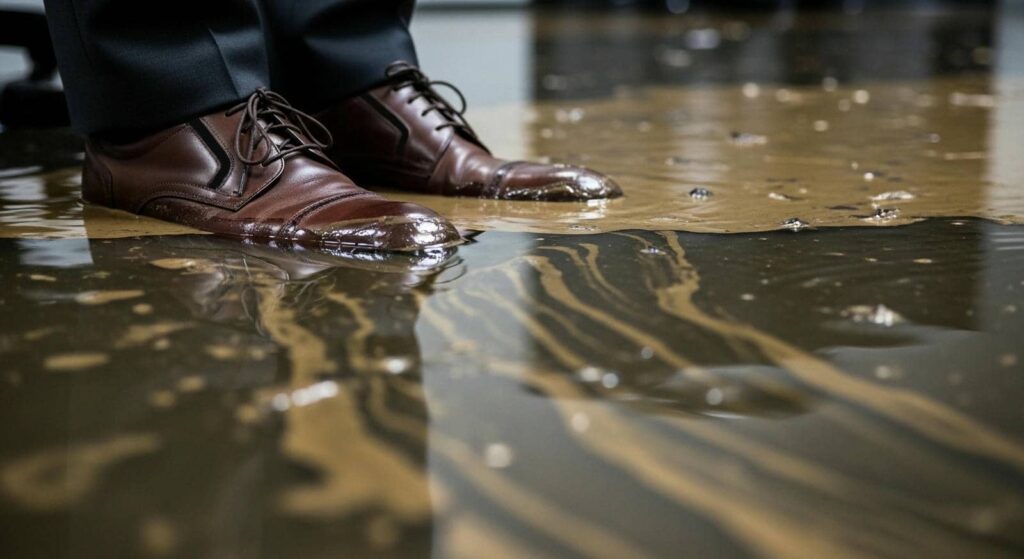
When floodwaters recede, they leave behind a challenging aftermath that can feel overwhelming. It’s vital to approach the flood damage recovery process methodically. By evaluating the damage quickly and ensuring your safety, you can start to regain control. Understanding the steps to take next can mean the difference between a smooth recovery and prolonged issues. So, what are the essential actions you need to prioritize in this intimidating situation?
Key Takeaways
- Assess the damage quickly by safely entering the property and documenting affected areas with photos and notes.
- Prioritize safety by evaluating hazards, wearing protective gear, and preparing an emergency kit.
- Remove standing water promptly using pumps or wet vacuums to prevent further damage and mold growth.
- Dry and dehumidify the area with fans and a dehumidifier to maintain ideal moisture levels and hinder mold development.
- Seek professional help for restoration if damage exceeds DIY capabilities, ensuring proper assessment and handling of insurance claims.
Assess the Damage Quickly
As soon as it’s safe to enter your property, you should assess the damage to understand the extent of the impact. Start with a thorough damage evaluation, noting water levels and affected areas. Check for structural integrity—look for cracks, sagging, or any visible distress. Document everything with photos and detailed notes to streamline the recovery process later.
Next, conduct a property assessment of your belongings. Identify what can be salvaged and what needs to be discarded. This might be an emotional task, as you’ll confront memories tied to damaged items, but it’s essential for your recovery.
Reach out to neighbors or community resources for support; sharing your experiences can foster a sense of belonging amidst chaos.
Prioritize Safety First
While traversing through flood-damaged areas, your safety must be your top priority. Begin by evaluating hazards like submerged debris, unstable structures, or downed power lines. Always wear sturdy boots and gloves to protect yourself from sharp objects and contaminants.
Before heading out, make certain you have your emergency kit ready—this should include first aid supplies, flashlights, and non-perishable food and water.
Effective flood preparedness means staying informed about local conditions and potential evacuations. If you’re unsure about the safety of a location, it’s better to err on the side of caution. Trust your instincts; if something feels off, it probably is.
Communicate with neighbors and loved ones to make certain everyone is safe, reinforcing a sense of community during this challenging time.
Remove Standing Water Promptly
Once you’ve secured your safety, it’s crucial to remove standing water from your property as quickly as possible.
The longer water sits, the greater the risk of structural damage and mold growth, which can lead to significant health hazards. Start with water removal using pumps or wet vacuums if the volume is manageable. Even a few inches can cause extensive damage, so act swiftly.
Check local resources; many communities offer assistance during flood recovery.
If you’re unsure about tackling it alone, consider hiring professionals who specialize in damage mitigation. They can ensure a thorough job, giving you peace of mind.
Dry and Dehumidify the Area
To effectively prevent further damage after a flood, it’s vital to dry and dehumidify the area promptly. Start by evaluating the space to determine the best drying techniques, such as using fans and opening windows to enhance airflow.
Your choice of dehumidifier selection is significant; opt for a unit that’s powerful enough for the size of the affected area. Consider factors like the humidity level and the duration of moisture exposure when making your decision.
Once you’ve set up the dehumidifier, monitor its progress regularly. This not only helps maintain ideal moisture levels but also ensures that you’re addressing potential mold growth.
Seek Professional Help for Restoration
After evaluating the damage from a flood, you might realize that some situations are beyond your DIY capabilities. While it’s tempting to tackle everything yourself, flood restoration often requires specialized knowledge and tools that only professionals possess.
Hiring professional services can ensure that your home isn’t only aesthetically pleasing but also structurally sound. These experts can assess hidden moisture and mold risks that you might overlook. They’ve got the right equipment to remove water effectively and dry out your home thoroughly, minimizing long-term damage.
Plus, their experience allows them to handle any insurance claims, easing your stress during this challenging time. It’s vital to remember that seeking help isn’t a sign of weakness; it’s an act of strength.
You don’t have to go through this alone. By choosing professional restoration services, you’re taking an important step toward reclaiming your space and peace of mind.
Frequently Asked Questions
How Can I Prevent Mold Growth After Flooding?
To prevent mold growth after flooding, you should act quickly. Remove wet materials, guarantee proper humidity control, and ventilate the space. Follow these mold prevention tips to create a safe, healthy environment for yourself and others.
Will My Homeowner’s Insurance Cover Flood Damage?
Your homeowner’s insurance typically doesn’t cover flood damage unless you have separate flood insurance. Check your policy for coverage limits to guarantee you’re adequately protected against potential losses from flooding, fostering peace of mind for your home.
What Items Should I Keep vs. Discard After a Flood?
After a flood, assess items like a curator in a gallery. Keep cherished heirlooms and essentials; discard moldy, damaged items. Prioritize your safety during flood recovery, creating a space that feels like home again.
How Long Does It Take for a House to Dry Completely?
A house can take anywhere from several days to weeks to dry completely, depending on moisture levels and the drying process. You’ll want to monitor progress closely to ensure a safe and healthy environment for everyone.
Can I File a Claim for Flood Damage Later?
Yes, you can file a flood claim later, but it’s essential to review your insurance policy. Understanding coverage limits and deadlines will help you navigate the flood claim process effectively and ensure you receive proper support.
Recap
In the aftermath of flood damage, think of your home as a delicate flower that needs nurturing to bloom again. Just as a gardener meticulously tends to each petal, you must assess, prioritize, and act swiftly to restore your space. Remember, every moment counts in preventing further damage. If the task feels overwhelming, consider enlisting professionals who can bring their expertise to help your home thrive once more. With careful attention and support, recovery is within reach.