
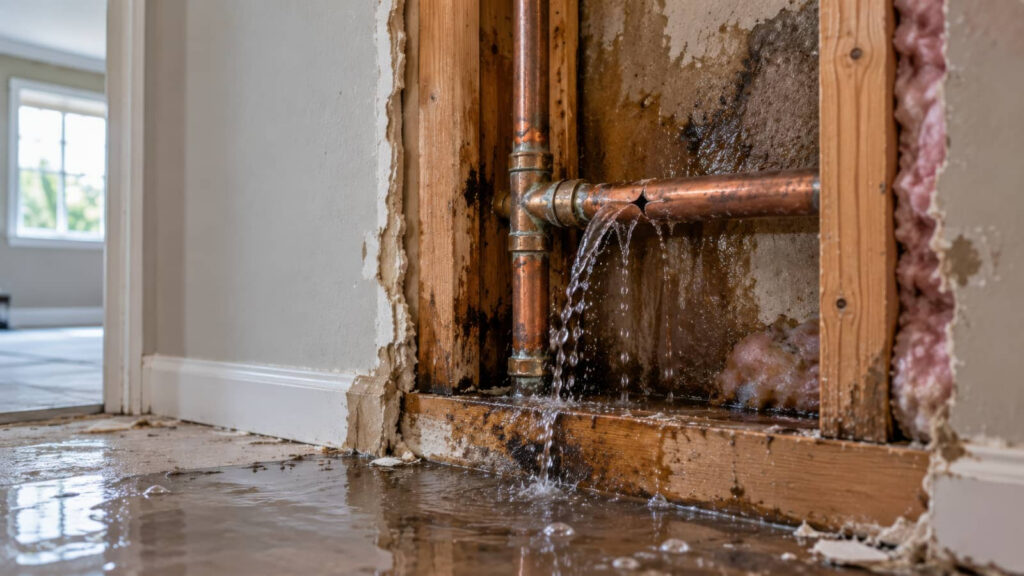
Act fast, stay safe, and control the damage when a pipe failure floods your space. Flood Cleanup After Pipe Damage should begin by shutting off the main water supply and checking for electrical hazards before entering the area. Then, remove standing water promptly and move contents out of the wet zone. After that, dry and sanitize all affected surfaces to limit mold growth. Miss one step, and hidden moisture can continue causing damage long after the water is gone.
Key Takeaways
- Shut off the main water supply, check for electrical hazards, and wear insulated protective gear before entering the affected area.
- Remove standing water immediately with a wet vacuum or pump, and move furniture and belongings to a dry area.
- Dry the space with air movers and dehumidifiers, and monitor hidden moisture around baseboards, flooring, and walls.
- Clean and sanitize affected surfaces with non-ammonia detergent or an EPA-approved antimicrobial to help prevent mold growth.
- Document pipe damage, moisture readings, and cleanup progress with photos, and contact a plumber or restoration professional if needed.
Shut Off Water and Stay Safe First
Before you start any cleanup, shut off the main water supply and keep clear of standing water until you’ve checked for electrical hazards.
Confirm the breaker panel is dry before you touch it, and isolate power to affected zones if you can do so safely.
Next, put on insulated boots, gloves, and eye protection.
Follow safety protocols step by step: inspect ceilings for sagging, note wall cracks, and listen for active leaks.
If water is near outlets, appliances, or your service panel, stop and call a licensed electrician.
Document visible pipe damage and the shutoff location so everyone in your household stays aligned.
Keep emergency contacts ready, including your plumber, electrician, insurer, and local utility.
Remove Burst Pipe Water and Dry Fast
Once you’ve secured the area, remove standing water immediately to limit material damage and mold growth. Start water extraction with a wet vacuum, submersible pump, or professional truck-mounted unit, depending on depth and room size. Work methodically so your household stays coordinated and safe.
Move furniture, rugs, and boxes to a dry zone.
Extract water from floors, cavities, and low points first.
Open windows only when outdoor humidity is lower.
Use air movers and dehumidifiers in balanced drying techniques.
Check hidden moisture with a meter around baseboards, under flooring, and behind cabinets. You should discard saturated materials only when structural integrity is compromised.
Keep electricity isolated from wet surfaces, route cords above damp areas, and monitor equipment continuously until moisture levels stabilize. Document progress with photos and readings.
Clean Water Damage and Prevent Mold
After you’ve removed bulk water, clean all affected surfaces with a non-ammonia detergent or an EPA-registered antimicrobial approved for water-damage restoration, then dry them to target moisture levels fast enough to interrupt mold growth.
Use PPE, isolate the work area, and maintain airflow with air movers and dehumidifiers.
Verify progress with moisture meters, not guesswork, because hidden dampness behind baseboards, insulation, and subfloors can restart contamination.
Remove porous materials that can’t be fully cleaned and dried within 24 to 48 hours.
During water extraction follow-up, document readings, disposal, and sanitation steps so everyone on your team stays aligned and protected.
This disciplined process supports mold prevention, protects indoor air quality, and helps your household return to a safe, shared normal with confidence and less disruption.
Frequently Asked Questions
How Much Does Flood Cleanup After Pipe Damage Usually Cost?
You’ll usually pay $1,200 to $6,000 for flood cleanup services after pipe damage, though severe losses can exceed $10,000. Your total depends on cost factors like water category, drying time, contamination, materials, and remediation scope.
Will Homeowners Insurance Cover Pipe Burst Flood Damage?
Yes—your homeowners insurance often covers sudden pipe-burst water damage, but not neglect or gradual leaks. You should document hazards, mitigate further loss, and file insurance claims promptly so your community-standard recovery process stays compliant and safe.
How Long Does Professional Flood Cleanup Typically Take?
Fast, focused flood cleanup typically takes you 3–7 days, though severe saturation can stretch it to weeks. Your flood recovery timeline depends on cleanup efficiency factors: water category, affected materials, drying verification, and safe microbial control.
Can I Stay in My Home During Cleanup?
Yes, you can sometimes stay home during cleanup, but you must follow safety precautions. If contamination, structural damage, or active drying equipment create hazards, you’ll likely need temporary relocation to protect your household and recovery.
When Should I Call a Licensed Plumber?
Call a licensed plumber immediately when leaks, pressure loss, or contamination appear; a stitch in time saves nine. You protect your home through prompt emergency response and thorough pipe inspection, keeping your household safe together.
Wrap-Up
By following these three steps, you reduce risk, limit structural damage, and improve drying efficiency after pipe failure. Act immediately: mold can begin growing within 24 to 48 hours after water exposure, so every hour counts. Shut off utilities, extract water, and verify moisture levels until materials stabilize. If contamination or hidden saturation is present, bring in a qualified restoration professional. A methodical, safety-first response helps you protect your home, equipment, and indoor air quality.