
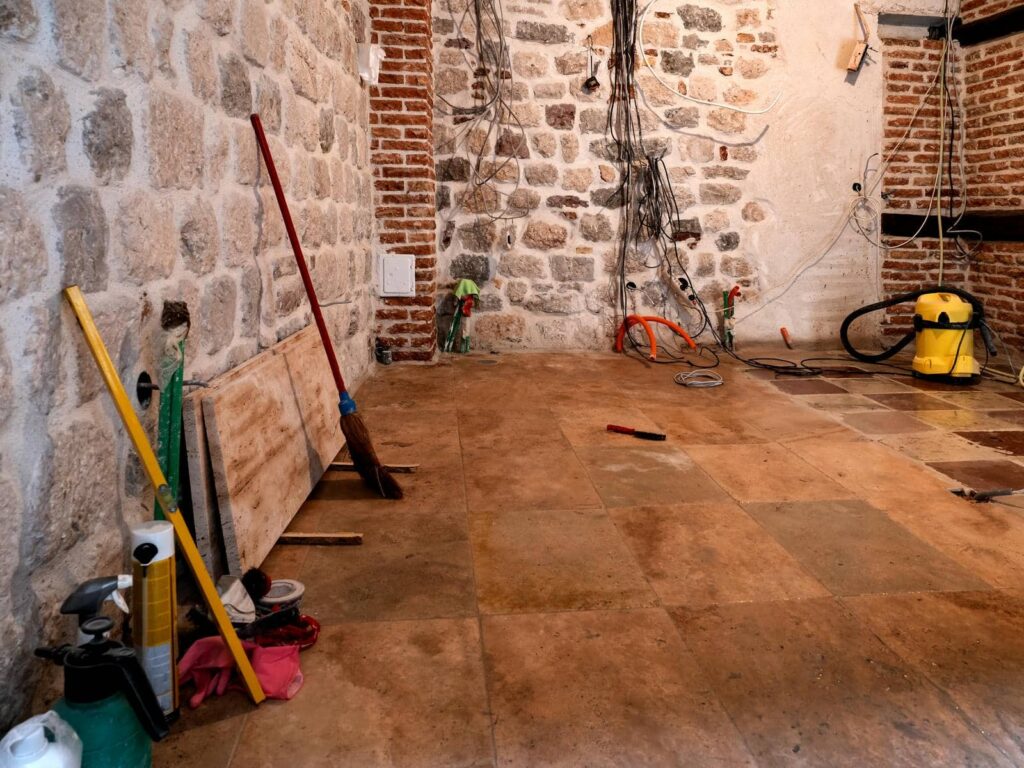
After water damage restoration, it’s vital to act quickly to prevent mold growth. You need to assess the damage thoroughly and ensure proper drying techniques are in place. Cleaning and sanitizing affected areas is critical, but that’s just the beginning. Implementing effective ventilation solutions and utilizing mold-resistant products can make a significant difference. Understanding how to maintain these efforts will be key to safeguarding your home against mold. What steps should you take next?
Key Takeaways
- Ensure thorough drying of all affected areas using dehumidifiers and air movers to maintain moisture levels below 60%.
- Clean surfaces with a water and detergent mixture, focusing on porous materials that can harbor mold spores.
- Apply a mold prevention spray to all cleaned surfaces, particularly in high-risk areas like bathrooms and basements.
- Regularly inspect and monitor humidity levels with a hygrometer, aiming for 30-60% to deter mold growth.
- Maintain proper ventilation by using exhaust fans and opening windows during dry weather to enhance air circulation.
Assessing the Extent of Water Damage
When you face water damage, it’s essential to quickly assess the extent of the problem to prevent further issues, like mold growth.
Start by identifying the water source—whether it’s a burst pipe, flooding, or a roof leak. This step is vital as it helps you understand how extensive the damage might be.
Once you pinpoint the source, conduct a thorough damage assessment. Check affected areas, including walls, floors, and ceilings, for signs of saturation or deterioration. Use moisture meters to measure moisture levels in materials, as high readings indicate potential mold growth risks.
Document your findings, noting any visible damage and moisture levels to provide a clear picture of the situation. This information will guide your next steps in addressing the damage effectively.
Being proactive in this initial assessment fosters a sense of belonging within your community, as you take responsibility for maintaining a safe and healthy environment.
Ensuring Proper Drying Techniques
To effectively prevent mold growth after water damage, you must employ proper drying techniques immediately.
First, assess the affected areas for water accumulation and remove any standing water using pumps or wet vacuums.
Next, focus on moisture control by using high-efficiency drying equipment, such as dehumidifiers and air movers. These tools help create a controlled environment that accelerates evaporation while reducing humidity levels.
Ascertain that you position the drying equipment strategically to maximize airflow and reach all damp surfaces, including carpets, walls, and furniture.
Monitor the moisture levels regularly with a hygrometer to confirm that they’re within safe limits, ideally below 60%.
Remember, effective drying isn’t just about removing water; it’s about creating an environment that discourages mold growth.
Cleaning and Sanitizing Affected Areas
After confirming proper drying techniques, the next step involves cleaning and sanitizing the affected areas to eliminate any remaining contaminants.
Use effective cleaning methods, such as a mixture of water and detergent, to scrub surfaces where water damage occurred. Focus on porous materials like carpets and drywall, as they may harbor mold spores. For non-porous surfaces, consider using a solution with a mild bleach concentration, but always follow safety guidelines.
Once cleaned, apply a mold prevention spray to further inhibit mold growth. It’s crucial to verify that you’re using products that are safe for your home environment.
Regularly inspect the cleaned areas for any signs of moisture or mold reappearance. By diligently cleaning and sanitizing, you greatly reduce the risk of mold development and foster a healthier living space for everyone.
Take these steps to protect your home and maintain a sense of community well-being.
Implementing Effective Ventilation Solutions
Implementing effective ventilation solutions is essential for preventing mold growth in areas affected by water damage, as stagnant air can trap moisture and create an ideal environment for fungi.
To enhance air circulation and maintain a dry atmosphere, consider these key strategies:
Install ventilation systems: Use exhaust fans in kitchens and bathrooms to expel humid air outdoors.
Open windows: Allow fresh air to flow through your home, especially during dry weather, to promote natural ventilation.
Use dehumidifiers: These devices help remove excess moisture from the air, making it difficult for mold to thrive.
Ensure proper insulation: Properly insulating walls and ceilings can prevent condensation, which contributes to mold growth.
Utilizing Mold-Resistant Products
Effective ventilation helps reduce moisture levels, but utilizing mold-resistant products provides an additional layer of protection against mold growth after water damage. Mold-resistant paints are a key component in safeguarding your spaces. These specially formulated paints contain mold inhibitors that prevent mold spores from settling and thriving on painted surfaces.
When you apply mold-resistant paint, you’re not just enhancing aesthetics; you’re actively investing in your home’s health and longevity.
In addition to paints, consider using mold-resistant drywall and insulation materials. These products are designed to withstand moisture and resist mold growth, making them ideal for areas prone to dampness, like basements and bathrooms.
Regular Monitoring and Maintenance
Consistent monitoring and maintenance are essential in preventing mold growth after water damage.
By ensuring effective moisture control and conducting routine inspections, you can create a safer environment for everyone.
Here are four key steps to follow:
Inspect Humidity Levels: Regularly check indoor humidity using a hygrometer; aim for levels between 30-60%.
Examine Vulnerable Areas: Focus on basements, bathrooms, and around windows where moisture can accumulate.
Check for Leaks: Look for any signs of leaks in plumbing or roofing and address them promptly.
Maintain Ventilation: Ensure proper airflow in rooms, especially those prone to dampness, by using exhaust fans or dehumidifiers.
Frequently Asked Questions
How Long Does It Take for Mold to Grow After Water Damage?
Mold can start growing within 24 to 48 hours after water damage, depending on various factors like temperature, humidity, and material type. Understanding this mold growth timeline helps you take prompt action for prevention.
Can I Use Bleach to Remove Mold?
Using bleach can be tempting for mold removal, but it often isn’t effective against all types. While it kills surface mold, it doesn’t penetrate porous materials, leaving roots behind. Consider alternatives for lasting results.
What Are the Health Risks Associated With Mold Exposure?
Mold exposure can lead to various health impacts, including respiratory issues, allergic reactions, and skin irritations. You might experience mold symptoms like coughing, sneezing, or headaches, which can considerably affect your overall well-being.
Are There Specific Weather Conditions That Promote Mold Growth?
Yes, high humidity levels and temperature fluctuations create ideal conditions for mold growth. When humidity exceeds 60% and temperatures rise above 70°F, mold spores thrive, increasing the risk of infestation in your environment.
How Can I Tell if Mold Is Hidden Inside Walls?
Indoor air can contain mold spores. To detect hidden mold inside walls, utilize mold inspection techniques like moisture meters and thermal imaging, which identify hidden moisture sources that promote mold growth.
Final Thoughts
By following these steps, you can effectively prevent mold after water damage restoration, creating a fortress against unwanted growth. Don’t underestimate the significance of thorough drying, cleaning, and ventilation; these are your first lines of defense. Regular monitoring ensures you catch any potential issues before they spiral out of control. Remember, maintaining a dry and healthy environment is vital for your home’s longevity and your family’s well-being. Stay vigilant, and mold won’t stand a chance!