
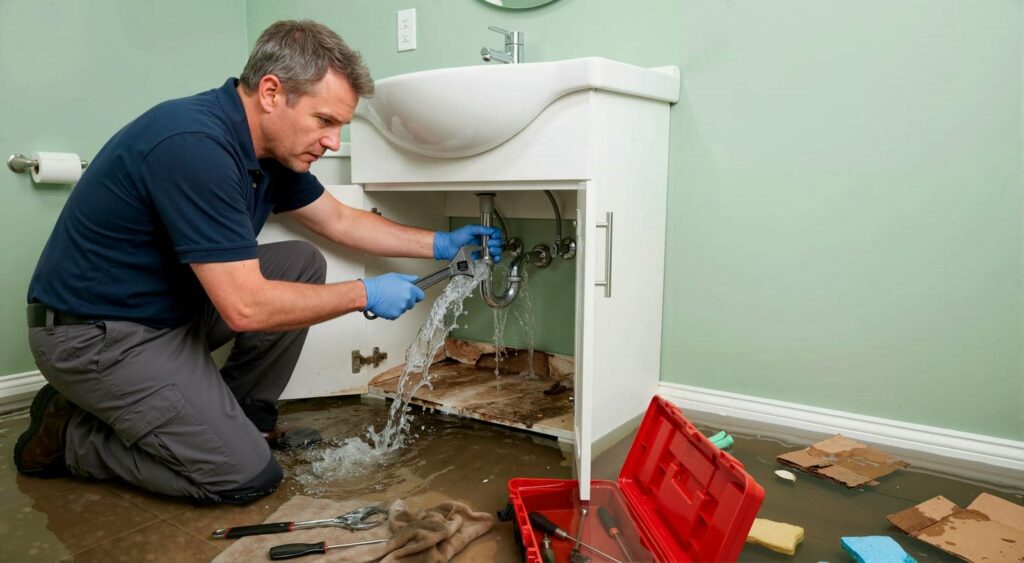
To prevent burst pipes long-term, you need to understand their underlying causes, like freezing temperatures and aging materials. Insulating vulnerable areas and maintaining proper water pressure are just the start. Regular inspections and choosing the right pipe materials can greatly enhance durability. You’ll also want to contemplate advanced monitoring systems to catch leaks early. As you explore these strategies, you’ll discover practical steps that can save you from considerable plumbing issues down the line.
Key Takeaways
- Insulate vulnerable pipes with foam sleeves or fiberglass to prevent freezing and reduce temperature fluctuations.
- Regularly inspect plumbing systems for leaks, corrosion, and maintenance needs to catch issues early.
- Use durable materials like PVC or PEX that resist corrosion and withstand pressure for long-term reliability.
- Install a water leak detection system for early monitoring and rapid response to potential leaks.
- Maintain optimal water pressure and temperature by monitoring valves and using pressure regulators as needed.
Understanding the Causes of Burst Pipes
Burst pipes are often caused by a combination of factors, and understanding these can help you prevent future incidents.
High pipe pressure can stress vulnerable materials, while freezing temperatures lead to water expansion, creating a risk for cracks. Aging infrastructure frequently contributes to this issue, as older pipes are more prone to failure.
Poor insulation allows for sudden temperature changes, exacerbating the problem. Additionally, soil movement can shift pipes, causing misalignment or breaks.
Installation errors can further weaken the system, leading to vulnerabilities. Finally, tree roots may invade underground pipes, causing blockages and damage.
How to Insulate Your Pipes Effectively
To effectively insulate your pipes and prevent freezing, start by identifying vulnerable areas in your home, particularly those exposed to colder temperatures, such as basements, attics, and exterior walls.
Once you’ve pinpointed these spots, choose appropriate pipe insulation materials like foam sleeves, fiberglass, or reflective insulation. Each material has its advantages, so consider the specific needs of your pipes.
Next, employ insulation installation techniques that guarantee a snug fit around your pipes. Use adhesive tape or zip ties to secure the insulation, preventing gaps where cold air can infiltrate.
Don’t forget to check for any leaks or drafts nearby, as sealing those areas will enhance the effectiveness of your insulation efforts. This proactive approach can markedly reduce the risk of burst pipes.
How Regular Pipe Inspections Prevent Bursts
While many homeowners focus on insulation, neglecting regular pipe inspections can lead to serious problems. Routine maintenance is vital for preventing burst pipes.
By scheduling regular inspections, you can identify potential issues before they escalate, saving you time and money in the long run.
Consider these pipe inspection benefits:
- Early Detection: Spot leaks or corrosion before they become significant issues.
- Cost Efficiency: Avoid the high costs associated with emergency repairs and water damage.
- Peace of Mind: Knowing your plumbing system is in good condition reduces stress and enhances your home’s safety.
Investing in regular pipe inspections guarantees your plumbing remains reliable, and it fosters a sense of belonging within your community, where well-maintained homes thrive together.
Choosing the Right Pipe Materials for Longevity
When selecting pipe materials, consider their durability, temperature resistance, and corrosion resistance.
Each factor plays an essential role in ensuring your pipes withstand various environmental challenges over time.
Making informed choices will greatly enhance the longevity of your plumbing system.
Material Durability Considerations
Choosing the right pipe materials is essential for preventing burst pipes and guaranteeing long-term durability. Different pipe material types have unique longevity factors that can impact their performance over time.
When selecting materials, consider the following:
Corrosion Resistance: Pipes made from materials like PVC or PEX resist corrosion, extending their life.
Pressure Ratings: Confirm the chosen materials can withstand your system’s pressure requirements to prevent failures.
Environmental Impact: Evaluate how your pipe materials interact with local conditions, including soil and water chemistry.
Temperature Resistance Properties
Understanding temperature resistance properties is essential for ensuring the longevity of your piping system. Choosing the right materials can make all the difference when faced with temperature extremes.
For instance, materials like PEX and CPVC offer excellent resistance to both cold and hot conditions, reducing the risk of bursts. Pairing these pipes with suitable insulation materials will further enhance their ability to withstand fluctuating temperatures. Proper insulation minimizes heat loss and protects against freezing, ensuring your pipes remain intact.
Additionally, consider the thermal expansion characteristics of your chosen materials, as this will influence their performance under varying conditions. By making informed choices, you’ll contribute to a robust piping system that stands the test of time.
Corrosion Resistance Factors
While selecting pipe materials, it’s essential to take into account corrosion resistance, as it directly impacts the lifespan and reliability of your plumbing system.
Proper material selection can mitigate corrosion, ensuring your pipes remain functional over time. Consider the following factors to enhance durability:
Corrosion inhibitors: These can be added to your water system, effectively reducing the corrosive potential of water chemistry.
Pipe coatings: Protective coatings can shield pipes from harsh environments, greatly extending their life.
Environmental factors: Be mindful of local conditions, such as humidity and temperature fluctuations, which can accelerate corrosion.
Incorporating effective maintenance practices will also help in identifying issues early, allowing you to address potential problems before they escalate.
Tips for Maintaining Your Home’s Water Pressure
To maintain ideal water pressure in your home, regular monitoring and maintenance are essential.
Start by checking your main water valve; it should be fully open for optimal flow. Consider installing a pressure regulator if your water pressure exceeds 80 psi, as excessive pressure can lead to pipe damage.
Use a pressure gauge to routinely measure water pressure, ensuring it stays within the recommended range. Inspect your plumbing fixtures for leaks and corrosion, which can affect pressure regulation.
Additionally, clean aerators and showerheads to prevent mineral buildup that restricts flow.
Monitor Temperature to Prevent Freezing
Monitoring temperature is essential for preventing pipes from freezing during colder months. By keeping an eye on temperature fluctuations, you can take proactive measures to protect your plumbing system from frozen pipes.
- Invest in a reliable thermometer for your home.
- Use smart home technology for real-time temperature monitoring.
- Insulate vulnerable pipes to minimize cold exposure.
When temperatures drop below freezing, make certain your indoor areas stay warm. Consider opening cabinet doors to allow heat to circulate around your plumbing.
Regular temperature monitoring not only helps safeguard your pipes but also fosters a sense of community awareness in your neighborhood. By sharing tips and strategies with neighbors, you can collectively work toward preventing issues related to frozen pipes.
Why You Should Consider Water Leak Detection Systems
Water leak detection systems are essential for early problem detection, helping you identify issues before they escalate.
By minimizing water damage, these systems can save you significant repair costs in the long run.
Investing in this technology offers a cost-effective solution that protects your property and peace of mind.
Early Problem Detection
While many homeowners might overlook the importance of early problem detection, investing in a water leak detection system can save you significant time and money in the long run.
These systems utilize advanced leak detection and thermal imaging technology to identify issues before they escalate.
Proactive Monitoring: Regular checks can catch leaks early, preventing significant damage.
Cost Efficiency: Early detection minimizes repair costs and potential water damage.
Peace of Mind: Knowing your home is protected allows you to focus on what truly matters.
Minimize Water Damage
If you want to protect your home from costly repairs, considering a water leak detection system is essential. These systems provide real-time monitoring, alerting you to any water leaks before they escalate into significant problems.
By implementing effective moisture control, you can prevent structural damage, mold growth, and the accompanying health risks. A water leak detection system not only safeguards your property but also enhances your peace of mind.
Many models integrate seamlessly with smart home technology, allowing you to monitor your home remotely. Investing in such technology means you’re proactively addressing potential issues, fostering a sense of belonging within a community that values home safety.
Don’t wait for a disaster; act now to protect what matters most.
Cost-Effective Solutions
Investing in a water leak detection system can save you significant costs in the long run, especially when you take into account the potential damage a leak can cause.
These systems not only help you detect leaks early, but they also complement your efforts to use cost-effective insulation and budget-friendly materials.
Here are some benefits to take into account:
- Early Detection: Identify leaks before they escalate into costly repairs.
- Reduced Repair Costs: Minimize damage to your property and belongings, saving you money.
- Increased Property Value: A well-maintained home with modern systems can attract buyers.
Immediate Steps to Take When Pipes Burst
When a pipe bursts, your immediate response can greatly mitigate water damage. First, turn off the main water supply to prevent further flooding.
Next, assess the situation for safety—watch for electrical hazards. If possible, use towels or buckets to catch the water while you work on temporary fixes. You might employ plumbing tape or a pipe clamp to halt the leak temporarily.
After addressing the immediate issue, document the damage for insurance purposes. This emergency response not only protects your home but also helps you feel more in control during a stressful situation.
When to Call a Professional for Pipe Maintenance
After addressing a burst pipe, knowing when to call a professional for pipe maintenance is essential for preventing future issues.
Regular pipe inspection and adherence to maintenance schedules can save you from costly repairs down the line.
Here are key moments when you should reach out to a professional:
- If you notice unusual water pressure changes.
- When you see signs of corrosion or leaks.
- During seasonal maintenance checks to guarantee everything’s in good shape.
Frequently Asked Questions
What Are the Signs of a Potential Pipe Burst?
You’ll notice signs of a potential pipe burst through irregular water pressure, damp spots, or unusual sounds. Regular pipe maintenance and effective pressure regulation can help you identify these issues before they escalate.
How Often Should I Inspect My Plumbing System?
You should inspect your plumbing system at least twice a year. Routine maintenance and seasonal checks help catch issues before they escalate. Staying proactive can save you from plumbing disasters that feel like tidal waves!
Can Weather Fluctuations Affect My Pipes?
Yes, weather fluctuations can greatly affect your pipes. During temperature extremes, water can freeze, leading to frozen pipes that may burst. Regular inspections and insulation help mitigate this risk and maintain a healthy plumbing system.
What Should I Do if I Notice a Leak?
If you notice a leak, immediately engage in leak detection. Shut off the water supply and contact a plumber for emergency repair. Acting fast can minimize damage and maintain your home’s integrity and comfort.
Are Certain Pipe Materials More Susceptible to Bursting?
Yes, certain pipe materials, like PVC, offer better long-term durability than others, such as copper. Isn’t it essential to understand these pipe material comparisons to choose the best option for preventing future issues?
Recap
By understanding the causes of burst pipes and implementing effective strategies, you can greatly reduce your risk. Did you know that nearly 250,000 water pipes burst in the U.S. every year? By insulating pipes, conducting regular inspections, and opting for durable materials, you can protect your home. Don’t forget to monitor water pressure and consider leak detection systems. Staying proactive and informed is key to preventing costly plumbing disasters in the long run.