
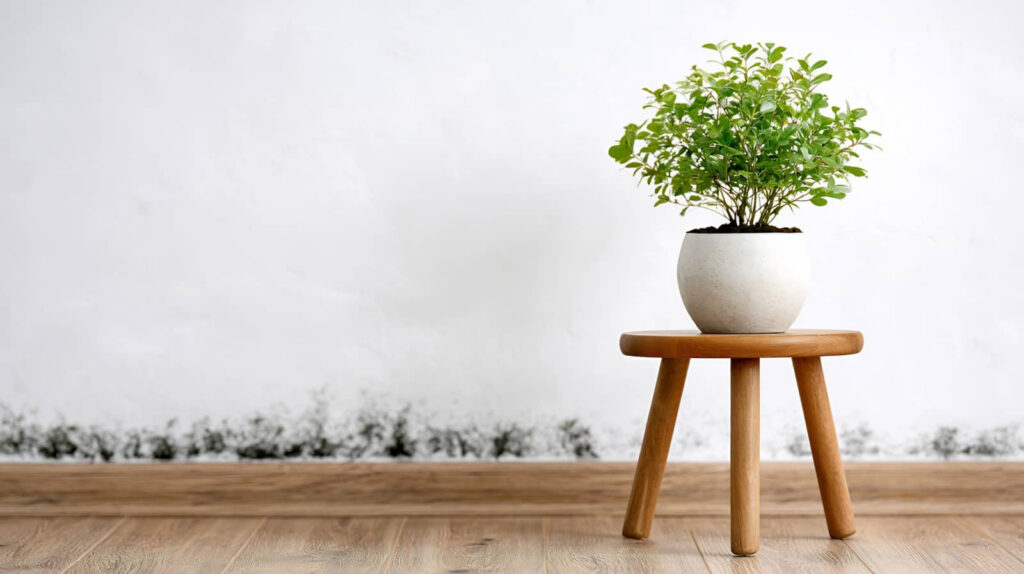
A hidden leak can turn a wall cavity into a petri dish in as little as 24 to 48 hours. Prevent Mold After Pipe Damage by acting in sequence: stop the leak, remove standing water, discard unsalvageable porous materials, and dry the area quickly with airflow and dehumidification. Then clean and disinfect all affected surfaces and monitor for musty odors, staining, or renewed moisture. Miss one step, and moisture you can’t see may create a much larger problem.
Key Takeaways
- Shut off the leaking pipe immediately, isolate the damaged section, and confirm the repair holds before restoring normal water pressure.
- Remove standing water fast using pumps or wet vacuums, checking corners, cabinets, and floor edges for hidden pooling.
- Discard unsalvageable porous materials like carpet, insulation, and upholstery to prevent trapped moisture and mold growth.
- Dry the area within 24–48 hours using fans, dehumidifiers, and open cabinets until indoor humidity stays below 60%.
- Call a plumber for active leaks and a mold remediation professional if moisture, odors, stains, or warping persist.
Stop the Pipe Leak First
Before you address drying or cleanup, you need to stop the pipe leak at its source, because mold can begin developing within 24 to 48 hours when moisture remains uncontrolled.
Shut off the nearest supply valve or your home’s main valve immediately. Then relieve remaining water pressure by opening a cold-water faucet at the lowest fixture.
Next, inspect the damaged section and identify whether a loose fitting, cracked joint, or punctured line caused the failure.
If you can safely isolate the segment, apply an appropriate temporary clamp or cap until professional pipe repair is completed.
Don’t restart the system until you’ve confirmed the seal holds under normal water pressure.
Remove Standing Water Fast
Once the leak is contained, remove standing water immediately because every additional hour of saturation increases the risk of mold growth, material swelling, and hidden moisture migration into subfloors and wall cavities.
Act fast with towels, a wet/dry vacuum, pumps, or professional water extraction equipment. Your goal is moisture control before water seeps deeper into assemblies.
- Use pumps or vacuums first to remove pooled water efficiently.
- Move furniture safely to expose trapped moisture and improve access.
- Check corners, under cabinets, and floor junctions for hidden pooling.
You protect your home best when you treat this as a coordinated response, not a cleanup chore.
Work methodically, verify progress often, and don’t stop at visible dryness. Fast action keeps your space safer, stronger, and part of a healthy home environment for everyone.
Discard Wet Materials You Can’t Save
You must remove unsalvageable items immediately to limit moisture retention and stop mold from gaining a foothold.
If porous materials like carpet, insulation, ceiling tiles, or upholstered furniture stay wet, you should dispose of them because they can’t be reliably dried or sanitized.
Acting quickly reduces contamination risk and helps you protect the surrounding structure.
Remove Unsalvageable Items
Remove and bag saturated materials that can’t be fully dried or disinfected, especially carpet padding, insulation, ceiling tiles, particleboard, and porous upholstery. Your first priority is mold prevention, so perform a rapid item assessment and separate salvageable contents from structural debris immediately.
Work methodically, room by room, to limit cross-contamination and keep your cleanup team aligned.
- Check for swelling, delamination, staining, and persistent odor.
- Isolate compromised items away from dry zones and airflow paths.
- Photograph damaged contents for documentation before moving them.
You protect your home best when you act before hidden moisture colonizes vulnerable surfaces. If an item stays wet beyond 24 to 48 hours, treat it as compromised.
Clear these materials early so drying equipment can reach framing, subfloors, and wall cavities effectively.
Dispose Of Porous Materials
Porous materials that stay wet after pipe damage need prompt disposal because they trap moisture deep below the surface, where drying and disinfection rarely reach. You should remove soaked drywall, insulation, ceiling tiles, carpet padding, and upholstered items that remained wet longer than 24 to 48 hours.
These materials support hidden microbial growth and can re-contaminate cleaned areas.
Use gloves, eye protection, and sealed bags during material disposal to limit spore spread. Cut damaged sections cleanly, isolate debris, and carry it out through the shortest path possible.
Don’t stack wet materials indoors or leave them in attached garages. Following these mold prevention tips helps you protect your home and everyone in it.
When you act decisively, you strengthen a safer, healthier living space your household can rely on daily.
Dry the Area Within 24–48 Hours
Because mold can begin colonizing damp materials in as little as 24 to 48 hours, rapid drying is the most important step after pipe damage. You should remove standing water immediately, then use fans, dehumidifiers, and your HVAC system to restore humidity control and strong air circulation.
Open cabinets, lift rugs, and pull furniture away from walls so trapped moisture can escape. If drywall, subflooring, or insulation stays damp, bring in restoration professionals to verify moisture levels with meters and thermal imaging.
- Run dehumidifiers continuously until indoor relative humidity stays below 60 percent.
- Position axial fans to move air across wet surfaces, not directly into wall cavities.
- Check hidden moisture behind baseboards, under flooring, and inside closets.
Act quickly and thoroughly, and you’ll protect your home and everyone in it.
Clean and Disinfect Damaged Surfaces
Scrub all non-porous and semi-porous surfaces affected by pipe damage with detergent and water first. Then apply an appropriate disinfectant to reduce microbial growth before mold takes hold.
Use tested cleaning techniques on tile, metal, sealed wood, and concrete, paying close attention to joints, edges, and fasteners where residue collects. Choose disinfectant options labeled for water-damaged environments, and follow dwell times exactly so the product can work effectively.
You should wear gloves and ensure ventilation to protect yourself while supporting a safer home for everyone under your roof.
Discard heavily contaminated porous items such as insulation, ceiling tiles, and carpet padding, since they can’t be reliably sanitized.
Check for Mold Signs After Water Damage
Where should you look first after a leak? Start with baseboards, drywall seams, cabinet interiors, and flooring edges. You need fast mold detection because spores colonize damp materials within 24 to 48 hours.
Use your senses and simple tools during every moisture assessment: look for staining, warping, bubbling paint, and dark spotting; smell for musty odors; feel for persistent dampness.
Check hidden cavities around pipe penetrations, under sinks, and behind appliances.
Monitor humidity, condensation, and cool surfaces where moisture lingers.
Document discoloration changes daily to track growth patterns and spread.
You protect your home best when you inspect methodically and consistently. That disciplined routine puts you in control and helps your household stay safe, dry, and confident after pipe damage.
Act early, stay consistent, prevent recurrence.
Call a Plumber or Mold Remediation Pro
You should call a plumber as soon as you detect active leaks, pressure loss, or damaged supply or drain lines, because stopping the water source is the first control step.
You’ll need a mold remediation professional when materials stay wet beyond 24 to 48 hours, contamination spreads, or visible growth appears on porous surfaces.
If you notice musty odors, recurring stains, warped materials, or symptoms that persist after drying, assume hidden mold may be present and escalate the inspection.
When To Call
When should you call a professional after pipe damage? You should act fast when water escapes beyond a small, contained area or materials stay wet longer than 24 hours. That window matters for mold prevention, structural stability, and indoor air quality.
If you notice active leaking, hidden moisture, or musty odor, treat it as an emergency response issue, not a wait-and-see problem.
- Water reached drywall, insulation, flooring, or framing cavities.
- You see staining, swelling, warping, or repeated moisture readings.
- Occupants have allergies, asthma, or weakened immune systems.
You protect your home best by escalating early. Quick professional intervention limits secondary damage, supports safer drying, and helps your household stay aligned with proven recovery standards.
Early action also documents conditions and protects warranties, insurance claims, and repair timelines.
Plumber Vs. Remediation
Although both issues often start with the same leak, a plumber and a mold remediation professional solve different parts of the problem. You need plumber expertise to stop the water source, repair failed fittings, assess pressure issues, and confirm your plumbing system won’t keep feeding moisture into surrounding materials.
You need a remediation specialist when water has affected drywall, insulation, subfloors, or framing. That professional uses containment, drying equipment, moisture mapping, and verified remediation techniques to remove contamination and reduce conditions that support future growth.
If you only fix the pipe, residual moisture can remain trapped. If you only clean affected materials, the leak can restart the cycle. The strongest prevention plan is coordinated action: stop intrusion first, then dry, clean, and restore your space to a safer baseline.
Signs Of Hidden Mold
Where hidden mold develops often determines how hard it’s to detect, so watch for musty odors, recurring paint bubbles, warped baseboards, staining that keeps returning, or allergy symptoms that worsen in one area of the home.
These are hidden mold indicators that suggest unresolved moisture and active mold growth conditions behind finishes.
- Check rooms near pipe runs for damp drywall seams.
- Note HVAC vents carrying earthy odors between cycles.
- Track moisture readings above 16% in trim or subfloor.
If you see these patterns, don’t wait for visible colonies. You protect your home best by calling a plumber to confirm leaks and a mold remediation pro to assess concealed spread.
Acting early keeps your household safer and helps your home stay dry, stable, and healthy.
Frequently Asked Questions
Does Homeowners Insurance Cover Mold After Pipe Damage?
Yes, your homeowners insurance may cover mold after pipe damage if the loss was sudden and accidental; review insurance policy specifics carefully. You should also document mitigation steps and apply mold prevention strategies to strengthen your claim.
Can Mold From Pipe Damage Affect Pets’ Health?
Yes—mold from pipe damage can harm your pets; you may see coughing, scratching, sneezing. Monitor for pet symptoms, reduce mold exposure, and call your veterinarian quickly, because protecting your animals protects your home, your routine, your peace.
How Much Does Professional Mold Remediation Usually Cost?
You’ll usually pay $500–$6,000 for professional mold remediation, depending on contamination size, materials, and labor. You protect your home best by combining remediation techniques with mold prevention tips, helping your household stay safe together.
Can Tenants Break a Lease Due to Mold?
Yes—when mold spreads like a silent storm and makes your home uninhabitable, you can pursue lease termination under habitability laws. Document conditions, notify your landlord promptly, and assert your tenant rights through proper legal channels.
Will a Home Inspection Detect Hidden Mold Problems?
Yes, you can uncover hidden mold problems if you use advanced inspection techniques, but standard home inspections often miss concealed growth. You should request moisture mapping, infrared imaging, and targeted air or surface sampling for confidence.
Recap
Act fast, dry thoroughly, clean methodically, and inspect consistently to stop mold after pipe damage. When you shut off the leak, remove water, discard saturated materials, and lower humidity below 60%, you cut off the moisture mold needs to grow. If dampness lingers, hidden moisture may remain behind walls or floors. Bring in a licensed plumber or mold remediation professional to locate the source, correct the conditions, and protect your home from recurring contamination and long-term structural damage.