
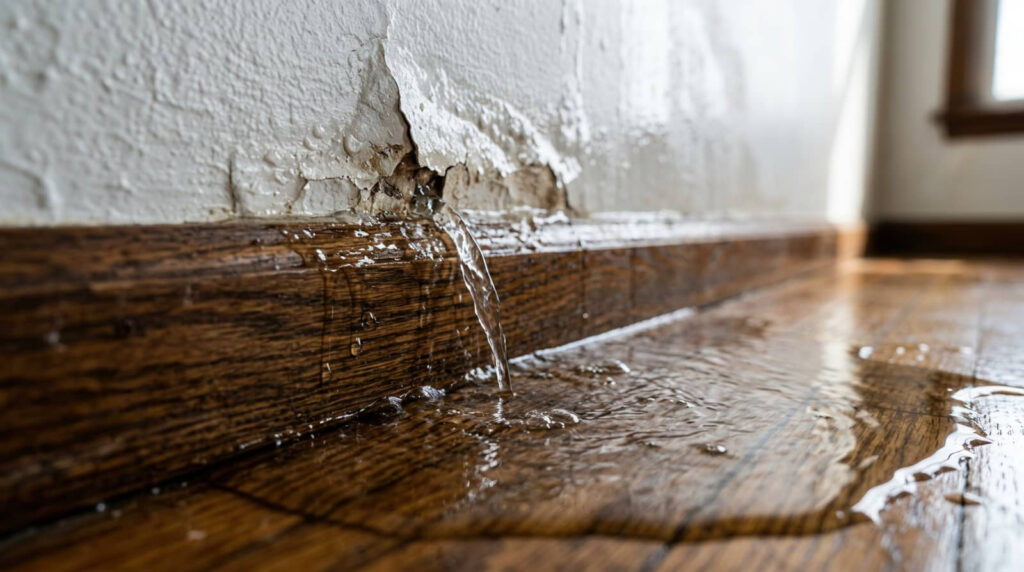
Like a chain reaction, burst water moves fast and damages more than you can see. Within minutes, it spreads into floors, drywall, insulation, and wiring, where moisture keeps working long after the leak stops. If you wait, you increase the risk of structural weakening, contamination, and mold growth within 24 to 48 hours. You need to act at once to control the damage, protect your home, and avoid the next problem that usually starts behind the walls.
Key Takeaways
- Burst water spreads quickly, soaking drywall, flooring, and framing, which increases damage and makes restoration more difficult.
- Immediate cleanup reduces hidden moisture that can trigger mold growth within 24 to 48 hours.
- Fast action helps prevent contamination from bacteria, chemicals, or sewage residue from spreading through porous materials and indoor air.
- Prompt cleanup protects structural integrity by limiting warping, crumbling, delamination, and weakening of subfloors and walls.
- Rapid response lowers repair costs, improves safety, and helps preserve documentation for insurance and restoration planning.
Why Burst Pipe Cleanup Can’t Wait
Because water spreads fast, burst pipe cleanup can’t wait even a few hours. You’re not just dealing with puddles; you’re facing rapid moisture migration into drywall, subflooring, insulation, and framing. Within hours, materials begin losing structural integrity, contaminants can spread, and indoor humidity rises enough to threaten adjacent rooms.
Quick emergency response limits saturation, reduces restoration scope, and helps protect the home you count on.
You also need a precise damage assessment before hidden moisture turns into persistent deterioration. Water tracks behind baseboards, under flooring, and inside wall cavities, where it weakens fasteners, swells wood, and disrupts electrical systems.
If cleanup is delayed, your repair costs climb and your living space becomes less secure. Acting fast helps preserve the place where you and your household belong together every day.
What to Do First After a Pipe Bursts
Your first move is to shut off the main water supply to stop pressure-fed flow and limit structural saturation.
Next, cut electrical power to affected areas immediately, because water intrusion can energize circuits and create a severe shock hazard.
If you act fast on these two controls, you’ll reduce damage, stabilize the scene, and make cleanup safer.
Shut Off Water
Act fast and shut off the main water supply immediately to stop pressurized flow from feeding the burst pipe.
Find your shutoff near the meter, crawlspace, or basement wall, then close emergency valves completely. If a fixture line failed, isolate that branch first to reduce water pressure and limit spread.
Keep calm and move like a prepared homeowner. Use basic plumbing tools only if they’re within reach and safe to handle.
Confirm flow has stopped, then document damage for home insurance. Start leak detection around walls, floors, and ceilings so your household can stay ahead of hidden saturation. Quick action supports mold prevention and protects framing, insulation, and stored belongings.
After control, plan repairs that include pipe insulation where needed, so your home stays protected and your community-ready routine gets stronger.
Cut Electrical Power
Next, cut electrical power to any wet area before water reaches outlets, extension cords, appliances, or hardwired equipment. Don’t step into standing water to unplug devices. Instead, go to your breaker panel and switch off circuits serving the affected zone. If you can’t identify them confidently, shut off the main breaker and keep everyone clear.
This step protects your household from shock, arc faults, and fire. Treat every wet surface as energized until proven otherwise. For electrical safety, use a dry path, dry hands, and a flashlight if visibility is poor.
Never touch a wet panel or submerged appliance. After the power shutoff, isolate the room and wait for a licensed electrician or restoration professional. You’re protecting your people by acting fast, smart, and together now.
Is It Safe to Stay in the House?
Before you stay inside, you must assess immediate electrical shock and slip hazards caused by standing water and saturated surfaces.
You also need to assume hidden contamination is present, especially if the water contacted drains, insulation, or porous materials.
If floors, walls, or ceilings show swelling, sagging, or cracking, you shouldn’t remain in the house until structural stability is verified.
Electrical And Slip Hazards
Two hazards make a burst pipe especially dangerous: energized wiring and slick surfaces. If water reaches outlets, extension cords, appliances, or your panel, you face serious electrocution risks. Don’t wade through standing water to investigate. Shut off power only if you can reach the breaker without crossing wet flooring; otherwise, stay out and call professionals. Your safety comes first, and acting fast protects everyone under your roof.
Wet floors also turn hallways, stairs, and entryways into impact zones. Effective slip prevention starts with restricting access, improving traction, and removing water immediately.
Wear rubber-soled shoes, post warnings, and use dry towels or extraction equipment to control spread. If you can’t isolate the area quickly, you shouldn’t stay inside. A united, safety-first response keeps your household protected.
Hidden Contamination Risks
Even after you’ve controlled electrical and slip hazards, a burst pipe can leave behind contamination you can’t see. Water can pick up bacteria, sewage residue, insulation particles, dust, and chemicals as it spreads through your home.
These contamination sources don’t stay contained; they move into carpets, drywall, cabinets, and HVAC systems fast.
That means your indoor air and surfaces may expose you to real health risks, especially if anyone in your household has asthma, allergies, or a weakened immune system.
You shouldn’t assume clear water is clean water. If rooms smell musty, feel humid, or show residue, limit access and isolate the area.
Wear gloves, avoid direct skin contact, and don’t run fans that could spread particulates. Quick professional cleanup helps protect your home’s shared living environment and everyone in it.
Structural Damage Concerns
Although the water may look contained, a burst pipe can quickly weaken drywall, subfloors, ceiling materials, and wood framing enough to make parts of your home unsafe to occupy. Saturated materials lose load-bearing strength, fasteners corrode, and hidden pooling increases moisture retention inside cavities where damage spreads unseen.
You shouldn’t assume the structure is stable just because walls still stand. Water can migrate downward, compromise foundation integrity, warp joists, and trigger ceiling collapse or floor failure under normal foot traffic.
If outlets, panels, or wiring got wet, shock and fire risks rise too. To protect your household, shut off power to affected areas, avoid sagging ceilings and soft floors, and arrange immediate professional drying and inspection.
Fast action helps keep your home secure, livable, and ready for everyone who depends on it.
What Water Damage Happens Within Hours
When a pipe bursts, water starts damaging your home within hours by soaking drywall, insulation, flooring, and framing before you can see the full spread. Fast water absorption weakens gypsum cores, swells baseboards, loosens adhesives, and drives moisture into subfloors and wall cavities. You can’t wait, because hidden saturation quickly compromises indoor air quality and raises mold growth risk.
Drywall softens, tape joints separate, and paint begins bubbling as moisture migrates.
Wood flooring cups, laminate edges lift, and cabinetry panels start expanding under pressure.
Insulation loses thermal performance while metal fasteners, wiring contacts, and HVAC components face corrosion.
If you act immediately, you protect your space and everyone in it. Rapid extraction, moisture mapping, and targeted drying help your home stay safe, stable, and part of the community you count on.
How Fast Mold Starts After Water Damage
Because mold spores are already present in indoor air and on surfaces, growth can begin within 24 to 48 hours after water damage if you don’t remove moisture fast.
Once porous materials stay damp, mold growth accelerates and spreads beyond what you can see.
You need rapid extraction, airflow, and dehumidification to push moisture levels below the threshold mold needs to colonize.
Drywall paper, insulation, carpeting, and wood dust give spores food, while hidden humidity behind baseboards and inside cavities creates protected breeding zones.
If you wait, contamination can move from a small wet area to a larger indoor air problem affecting everyone sharing your space.
Acting immediately protects your home environment, supports your household’s health, and keeps your indoor community cleaner, safer, and easier to restore completely after a burst pipe.
How Water Weakens Walls and Floors
As water soaks into building materials, it strips strength from drywall, subfloors, and framing faster than most people expect. Once water absorption begins, fibers swell, adhesives break down, and fasteners loosen. You can’t assume surfaces that look dry are stable. Hidden moisture keeps moving, reducing structural integrity and creating soft spots underfoot and behind walls.
Drywall loses rigidity, bows, and crumbles under minor pressure.
Wood subfloors cup, delaminate, and transfer stress to finish flooring.
Framing absorbs moisture, expands unevenly, and shifts load paths.
If you wait, small distortions turn into costly failures. Your home depends on fast action, and so does everyone who shares it with you.
When You Need a Water Cleanup Expert
If water has spread beyond a small, clean spill, you need a water cleanup expert immediately. You can’t rely on towels or fans when water damage reaches baseboards, subfloors, insulation, or electrical areas. Trusted expert services bring emergency response, moisture assessment, and specialized equipment usage to locate hidden saturation fast.
You protect your home and your community standing when you call trained professionals at the first sign of contaminated water, recurring leaks, warped materials, or musty odor. They apply restoration techniques that match the source, category, and spread, while documenting conditions for insurance claims.
You also gain guidance on preventive measures that reduce future risk without guessing. Acting early connects you with a team that understands the standards, safeguards your space, and helps you respond with confidence and control.
How Cleanup and Drying Prevent Bigger Costs
When burst water isn’t removed and dried fast, repair costs climb quickly from surface cleanup to structural replacement. You can limit damage by acting before moisture migrates into insulation, subfloors, framing, and electrical cavities. Rapid extraction, targeted dehumidification, and moisture mapping stop hidden saturation that drives major cost implications and long term effects.
When you respond early, you protect indoor air, preserve materials, and keep your space safe for everyone who depends on it.
- You reduce demolition by drying materials before they warp, delaminate, or rot.
- You prevent microbial growth that can spread through porous surfaces within days.
- You avoid recurring failures in flooring, drywall, and trim caused by trapped moisture.
Fast cleanup isn’t just repair work; it’s prevention that helps you protect your property and your community from escalating loss.
Frequently Asked Questions
Can Burst Pipes Increase My Water Bill Significantly?
Yes, burst pipes can spike your water bill fast by wasting gallons under pressure. You should act immediately, inspect for leaks, and prioritize pipe maintenance to protect your home, budget, and keep your household operating safely.
Will Homeowners Insurance Cover Burst Pipe Cleanup Costs?
Yes—your homeowners insurance may cover burst pipe cleanup costs, but it’s a flood of fine print. You must verify insurance policies, exclusions, and coverage limits fast, so you protect your home and stay aligned.
Can Burst Pipes Happen During Warm Weather Too?
Yes, you can face burst pipes in warm weather too; warm weather risks include thermal expansion, pressure spikes, corrosion, and shifting soil. Protect your home and community by scheduling summer plumbing inspections, catching weaknesses before failures escalate.
How Can I Tell if a Pipe Burst Behind a Wall?
You’ll notice sudden stains, bubbling paint, warped drywall, musty odors, or falling water pressure—who’d ignore that? Use moisture detection and schedule a pipe inspection fast so you protect your home and stay ahead together.
What Items Are Most Salvageable After a Burst Pipe?
You can usually salvage hard furniture, solid wood pieces, metal items, and some electronics if you act fast. Prioritize furniture restoration and electronics safety, dry everything immediately, and protect your home like responsible homeowners do.
Final Thoughts
When a pipe bursts, every minute counts. Water moves like a silent thief, seeping into drywall, subfloors, and insulation before you can see the full damage. If you act fast, you can stop structural weakening, slow mold growth, and reduce contamination risks. Shut off the water, start cleanup, and call a restoration expert if needed. Quick drying and extraction don’t just protect your home—they help you prevent costly repairs and serious health hazards later.