
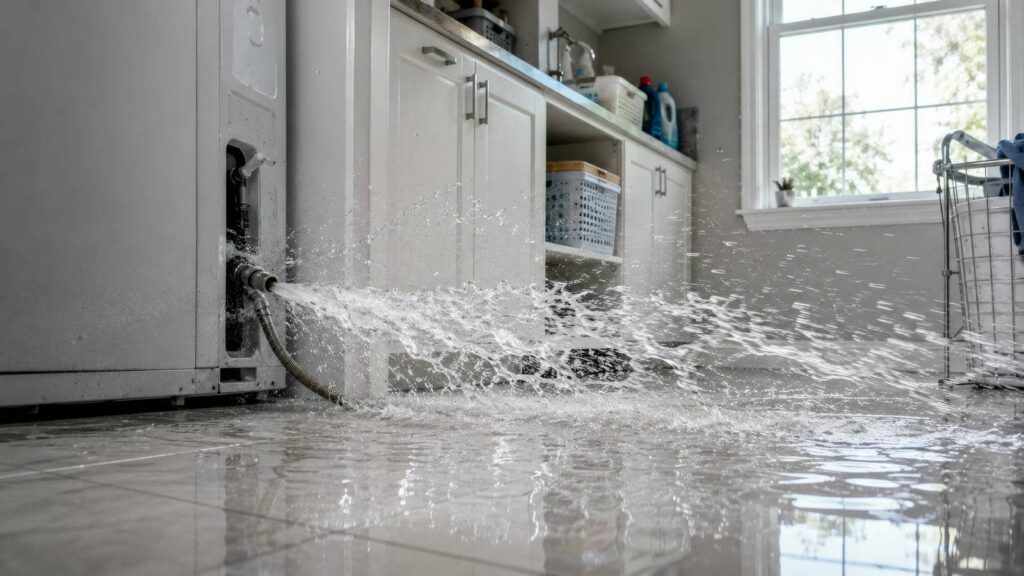
When a pipe bursts, you need more than a quick mop-up. Water moves into flooring, wall cavities, and insulation fast, where it drives structural damage, electrical risk, and mold growth. Burst pipe water cleanup helps you limit losses, document damage, and restore safe moisture levels before hidden problems spread. The first steps you take, and the mistakes you avoid, can determine whether recovery stays manageable or turns into a much larger repair.
Key Takeaways
- Fast burst pipe cleanup limits water spread, reducing structural damage to drywall, flooring, insulation, and load-bearing materials.
- Immediate removal and drying help prevent mold growth, which can begin within 24 to 48 hours in damp areas.
- Professional cleanup uses moisture mapping, extraction equipment, and dehumidifiers to dry hidden areas thoroughly, not just visible surfaces.
- Rapid response lowers repair and reconstruction costs by preserving salvageable materials and minimizing demolition and labor time.
- Choosing expert burst pipe cleanup improves safety around electrical hazards, documents damage properly, and ensures a controlled restoration process.
What to Do First After a Burst Pipe
Act immediately: shut off your home’s main water supply to stop additional flooding, then cut power to affected areas if water is near outlets, appliances, or electrical panels and it’s safe to do so.
Your emergency response should prioritize safety precautions and scene control. Confirm the burst pipe’s location, avoid standing water until hazards are assessed, and keep household members clear.
Next, open faucets connected to the damaged line to relieve residual pressure. Move valuables, paper goods, electronics, and textiles out of the affected zone.
Use towels or buckets to contain active leakage without entering unsafe spaces. Photograph visible damage, the pipe break, and water paths for documentation.
Then contact a licensed plumber and a qualified water cleanup team so your home gets coordinated, professional care from trusted experts.
Why Fast Burst Pipe Cleanup Matters
Fast burst pipe cleanup matters because every minute of exposure lets water penetrate drywall, insulation, subflooring, and framing, which accelerates structural damage.
When you remove water and dry affected materials immediately, you reduce the moisture conditions that let mold colonies establish within 24 to 48 hours.
You also contain the damage zone early, which helps you avoid secondary failures, limits material replacement, and lowers overall repair costs.
Prevents Severe Water Damage
When a pipe bursts, water can spread through flooring, drywall, insulation, and framing within minutes, sharply increasing the scope of structural damage.
Fast cleanup helps you protect your home’s load-bearing materials and avoid escalating repair costs. You need immediate extraction, moisture mapping, and drying to limit saturation and preserve assemblies your household depends on.
- Removes standing water before it penetrates deeper layers
- Protects subfloors from warping, swelling, and delamination
- Reduces drywall breakdown and insulation compression
- Supports early detection of hidden moisture pockets
- Reinforces preventative measures for future plumbing failures
Stops Mold Growth
Quick water removal does more than limit structural damage—it also cuts off the moisture conditions mold needs to colonize within 24 to 48 hours after a pipe burst.
When you extract standing water, lower humidity, and dry porous materials fast, you interrupt spore activation before colonies anchor behind walls, under flooring, or inside insulation.
That rapid response supports effective mold prevention and protects your indoor environment from contamination that can spread through HVAC airflow.
You’re not just drying surfaces—you’re restoring balanced moisture levels throughout the affected area, including hidden cavities where microbial growth often begins.
By acting immediately, you reduce health risks linked to airborne spores, musty particulates, and compromised air quality.
That’s how you help keep your home clean, stable, and safer for everyone who shares your space every day.
Lowers Repair Costs
Because water damage compounds by the hour, immediate burst pipe cleanup directly reduces what you’ll spend on repairs. You protect structural materials before saturation triggers swelling, corrosion, delamination, and microbial contamination.
Fast extraction also improves your cost analysis, since technicians can isolate affected zones and apply targeted repair techniques instead of full replacements. That keeps your property aligned with the standards your community expects.
- You limit drywall, insulation, and flooring demolition.
- You preserve framing before warping compromises load paths.
- You reduce electrical hazards that escalate restoration scope.
- You shorten drying time with controlled dehumidification.
- You prevent hidden moisture from damaging adjacent rooms.
When you act quickly, your restoration team can document losses accurately, salvage more materials, and complete efficient repairs with fewer labor hours, fewer specialty trades, and lower total reconstruction costs overall.
Can You Handle Water Extraction Yourself?
How much water you can extract yourself depends on the volume released, how long it sat, and whether it reached carpet pad, drywall, insulation, or subflooring. If the release was limited and addressed quickly, you can often manage initial water extraction with disciplined DIY methods and the right equipment.
Use a wet vacuum, absorbent towels, and continuous airflow from axial fans or dehumidifiers. Remove standing water first, then lift rugs, separate furniture from damp surfaces, and expose hidden moisture paths.
Check baseboards, closet corners, and under appliances, where water commonly migrates. Monitor humidity and material moisture as you work, because surfaces that feel dry may still retain damaging moisture.
When you act methodically, you protect your home’s structure and stay aligned with proven cleanup standards your community values.
When to Call a Burst Pipe Cleanup Pro
You should call a burst pipe cleanup pro as soon as you see immediate water damage signs such as standing water, sagging drywall, warped flooring, or active ceiling leaks.
You can’t rely on surface drying alone, because hidden moisture often remains inside wall cavities, subfloors, and insulation, where it accelerates mold growth and structural deterioration.
If water has spread beyond a small, fully accessible area or remained in place for more than a few hours, you need professional extraction, moisture mapping, and drying equipment without delay.
Immediate Water Damage Signs
When a pipe bursts, the earliest damage indicators often appear within minutes, and they require immediate evaluation to limit structural deterioration, microbial growth, and electrical hazards.
You should call a cleanup professional as soon as you notice:
- new water stains spreading across ceilings or trim
- damp walls that feel cool, swollen, or soft
- warped flooring, buckled baseboards, or lifting vinyl seams
- dripping near outlets, flickering lights, or tripped breakers
- persistent pooling around fixtures, appliances, or room edges
These signs show that water is actively affecting building materials and nearby systems.
If you respond fast, you protect your home and everyone in it. A qualified team can stop escalation, isolate hazards, and begin controlled extraction before visible damage expands into major repair costs and disruption for your household.
Hidden Moisture Concerns
Even after surface water is removed, moisture can remain trapped inside wall cavities, subfloor layers, insulation, and HVAC chases, where it continues to degrade materials out of sight.
You can’t rely on appearance alone, because damp framing, sheathing, and underlayment often stay concealed while microbial growth conditions develop and fastener corrosion begins.
You need accurate moisture detection to identify wet zones, define material saturation, and verify whether drying reached structural layers.
Without that data, hidden humidity can migrate, distort flooring, weaken gypsum board, reduce insulation performance, and create persistent odor reservoirs.
These long term effects don’t announce themselves immediately, which is why informed property owners treat concealed moisture seriously.
Professional Help Timing
Although some minor spills can be dried with basic equipment, a burst pipe usually warrants professional cleanup as soon as water reaches porous assemblies, remains in place for more than a brief period, or affects multiple rooms or building systems.
Call a pro when you notice:
- wet drywall, insulation, or subflooring
- water crossing room thresholds
- electrical outlets or HVAC exposure
- persistent dampness after extraction
- discoloration, odors, or swelling
You protect your property and your community standard by acting fast.
Qualified teams bring moisture mapping, psychrometric control, antimicrobial protocols, and emergency response capacity that household tools can’t match.
Early intervention shortens the restoration timeline, limits demolition, and reduces secondary damage such as microbial growth, delamination, corrosion, and structural distortion.
If conditions escalate beyond surface drying, professional cleanup becomes the responsible next step.
What Professional Burst Pipe Cleanup Includes
Because burst pipe damage spreads fast through framing cavities, insulation, and floor assemblies, professional cleanup starts with a controlled response that stops active water intrusion, documents the loss, and maps moisture with meters, thermal imaging, and targeted inspection cuts.
You can expect containment barriers, negative air control when needed, and rapid extraction using commercial vacuums and pumps. Technicians apply pipe inspection techniques to verify failure points and support emergency response readiness across affected zones.
They remove unsalvageable drywall, wet insulation, and compromised flooring, then clean structural surfaces and apply antimicrobial treatments where conditions justify them. Industrial air movers and dehumidifiers drive drying, while daily moisture readings confirm progress inside materials, not just on surfaces.
When cleanup is done correctly, your home returns to a stable, dry, documented condition your household can trust.
How to Choose a Burst Pipe Cleanup Company
How do you identify a burst pipe cleanup company that can stabilize damage quickly and document the job correctly? You choose a team that follows industry standards, communicates clearly, and treats your property like it belongs in their care.
Verify 24/7 emergency services and rapid dispatch capability.
Confirm IICRC-trained technicians, moisture mapping, and calibrated drying equipment.
Ask about written scopes, photo documentation, and insurance coordination.
Read customer reviews for consistency, professionalism, and follow-through.
Check licensing, liability coverage, and documented safety procedures.
You also want a company that explains each phase: extraction, demolition control, antimicrobial application, structural drying, and final verification.
When a provider combines technical discipline with transparent updates, you’ll feel confident, informed, and supported by professionals who know exactly how to protect your home and your community.
Frequently Asked Questions
How Does Burst Pipe Water Damage Affect Home Insurance Claims?
Burst pipe damage often qualifies for coverage—if the theory of “sudden and accidental” loss holds true. You’ll need your insurance policy to support the claim process, because delays, neglect, or excluded causes can reduce payouts.
Can Burst Pipe Water Cleanup Help Prevent Mold-Related Health Problems?
Yes, burst pipe water cleanup helps you prevent mold-related health problems by accelerating drying, removing contaminated materials, and controlling humidity. You reduce mold prevention failures, limit health risks, and protect your home’s indoor environmental quality.
What Does Burst Pipe Water Cleanup Typically Cost?
You’ll typically pay $1,500–$5,000; like patching a ship before it sinks, your cost depends on water spread, pipe repair, labor, materials, and cleanup methods. You protect your home best with fast, professional assessment.
Are Burst Pipes More Common During Winter Weather?
Yes, you’ll see burst pipes more often in winter because freezing water expands, raising internal pressure. You can reduce risk with winter preparedness tips and plumbing maintenance advice, helping you protect your home like informed homeowners do.
How Long Does Burst Pipe Water Cleanup Usually Take?
You can expect burst pipe water cleanup to take 2–5 days, depending on damage severity, water extraction speed, material saturation, and the drying process. If contamination or structural repairs arise, you’ll need additional restoration time.
Final Thoughts
When a pipe bursts, every minute counts. If you act fast and bring in a qualified cleanup team, you reduce structural saturation, limit microbial growth, and avoid expensive secondary damage. For example, if a second-floor supply line fails overnight, prompt extraction and dehumidification can save drywall, flooring, and insulation before deterioration sets in. Choose a burst pipe water cleanup company that documents moisture levels, follows industry drying standards, and restores your home safely, efficiently, and completely.