
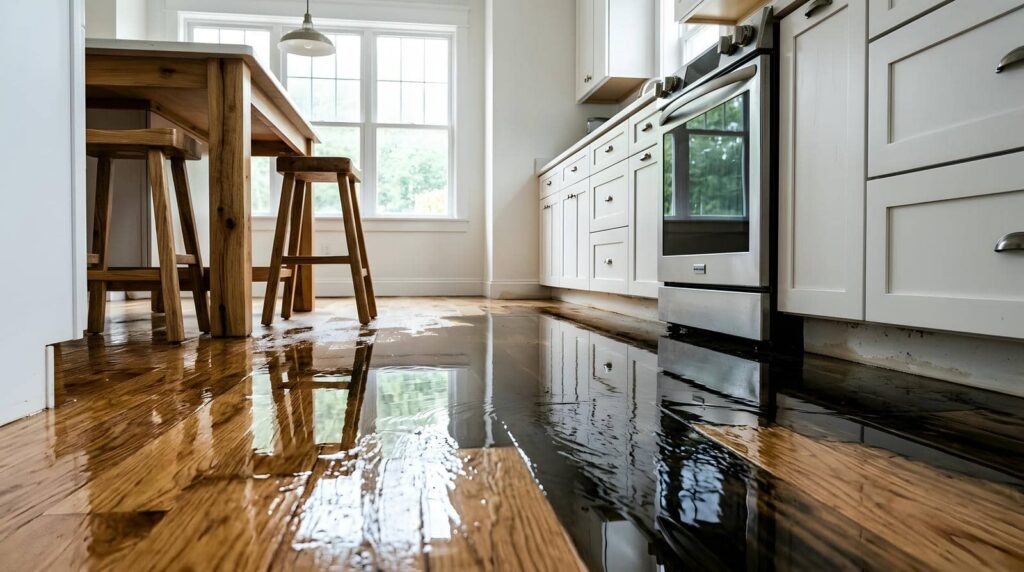
When floodwater enters your home, you need a controlled response, not guesswork. Home Flood Water Removal Experts recommend starting by stopping the source, shutting off power, and evaluating whether the water is safe to handle. Then remove water in stages, using pumps and wet vacs with strict electrical precautions. Drying and disinfection matter just as much as extraction, and missing one step can turn a manageable cleanup into a costly structural and health problem.
Key Takeaways
- Stop the water source immediately and shut off power to affected areas before entering or using any electrical devices.
- Assess flood depth, contamination, and structural hazards; wear protective gear and avoid handling unsafe conditions alone.
- Extract standing water quickly, working from the lowest point outward, and document damage with photos and waterline markings.
- Use pumps, wet vacs, and fans only in electrically safe areas, routing discharge away from the foundation.
- Dry and disinfect all affected surfaces fast, removing contaminated porous materials and calling professionals for sewage or electrical damage.
Stop the Water and Shut Off Power
Act fast: stop the source of the flooding before you begin any cleanup, and shut off electricity to the affected area to reduce the risk of shock or fire.
Identify active water sources immediately: close the main supply valve, isolate appliance lines, or secure burst pipe feeds. If weather caused the intrusion, seal openings temporarily with towels or plastic sheeting.
Next, cut power at the breaker panel for affected rooms. Label the switched circuits so everyone in your household stays aligned and informed.
Don’t operate wet appliances, extension cords, or outlets. If you can’t locate shutoffs quickly, use your emergency contacts list and call a licensed plumber or electrician.
Taking these first control steps protects your home, supports your team at home, and creates a stable starting point for removal.
Check If the Flood Is Safe to Handle
Before you enter standing water, determine whether the situation falls within safe homeowner cleanup limits. Start with a flood assessment: identify the source, depth, contamination level, and how long water has remained indoors. If sewage, fuel, chemicals, or storm runoff may be present, treat the area as unsafe and call professionals immediately.
Next, verify structural and personal risk factors. Look for sagging ceilings, warped floors, gas odors, visible foundation movement, and compromised outlets or appliances. These conditions signal serious health hazards and collapse or shock potential.
Follow strict safety precautions by wearing waterproof boots, gloves, eye protection, and a respirator if mold or contaminated air is possible. Keep your emergency kit nearby, and don’t work alone.
When conditions exceed your training, choosing expert help protects everyone in your home.
Remove Flood Water From Your Home
Start water extraction as soon as power and structural conditions are confirmed safe, because shorter exposure limits material damage and mold growth.
Work from the lowest point outward, and create a clear removal path so you don’t track contamination into cleaner areas. As you act, you’re protecting your home and joining homeowners who prioritize smart water damage prevention.
Mark the highest water line and photograph each room for insurance and repair planning.
Remove standing water in controlled stages, especially from basements, to reduce sudden pressure changes against foundation walls.
Separate soaked rugs, cushions, papers, and fabrics from salvageable items to improve drying access and support sanitation.
These steps align with practical flood preparedness tips.
Stay systematic, document everything, and keep household members informed so your response remains coordinated, efficient, and safer.
Use Pumps, Wet Vacs, and Fans Safely
Once you’ve confirmed the area is electrically safe, use pumps, wet vacs, and fans according to their rated conditions and keep each device away from unstable surfaces, submerged outlets, and damaged cords.
For pump safety, position the intake where debris won’t clog flow, and route discharge away from foundations.
Follow wet vac tips by emptying tanks before they reach capacity, using grounded extension cords only when approved, and stopping immediately if suction changes unexpectedly.
Handle cords with dry hands, and check housings for cracks that increase electrical hazards.
For effective fan placement, aim airflow across wet surfaces, not directly into standing water, and maintain clear spacing around intakes.
As you work, you protect your home the same way careful crews do: step by step, device by device, with discipline every time.
Dry, Disinfect, and Know When to Call Pros
After you remove standing water, dry the structure fast and systematically to limit mold growth, material breakdown, and hidden moisture damage. Open wall cavities if readings stay elevated, run dehumidifiers continuously, and document moisture levels for insurance coverage and repair planning.
Disinfect hard surfaces with an EPA-registered antimicrobial, then rinse and dry them per label directions.
Remove porous materials like carpet pad, insulation, and drywall if contamination or swelling is present.
Call certified restoration pros when water is sewage-tainted, electrical systems were submerged, or drying stalls beyond 48 hours.
You protect your home and your community by working cleanly, wearing gloves and respirators, and isolating affected zones.
Build flood prevention into rebuilding by upgrading drainage, sealing penetrations, and recording every step with photos.
Frequently Asked Questions
How Much Does Professional Flood Water Removal Typically Cost?
You’ll typically pay $1,500 to $5,000 for professional flood water removal, though restoration costs can exceed $10,000 with contamination, structural damage, or drying complexity. You should get detailed estimates, verify safety protocols, and compare included services.
Will Homeowners Insurance Cover Flood Water Damage Cleanup?
Usually, you won’t get coverage under standard homeowners insurance; you’ll need flood insurance. You should verify coverage limits, document damage immediately, and follow your insurer’s safety-focused cleanup requirements so you stay compliant and protected.
How Long Does Complete Flood Damage Restoration Usually Take?
You can expect complete restoration in days for minor loss, weeks for major devastation; calm rooms contrast chaotic damage. Your flood recovery timeline depends on contamination, drying, repairs, and restoration process steps, keeping your household safely included.
Can Flooded Personal Belongings Like Photos and Documents Be Saved?
Yes, you can often save flooded belongings if you act quickly. Prioritize safety, isolate wet items, and start photo restoration and document preservation immediately. You’ll improve recovery outcomes by using controlled drying, freezing, and professional cleaning.
How Can I Prevent Mold From Returning After Cleanup?
An ounce of prevention saves headaches: you stop mold’s return by drying materials fast, applying mold prevention techniques, and enforcing humidity control strategies. You’ll inspect hidden moisture, ventilate thoroughly, and protect your home team safely.
Recap
Treat flood cleanup like your least glamorous promotion: you’re now chief engineer, safety officer, and mold-prevention manager. Shut off power, verify the water’s safe to handle, remove it methodically from the lowest point, and run pumps, wet vacs, and fans exactly as directed. Then dry and disinfect every affected surface fast. If sewage, structural damage, or hidden moisture turns your “easy project” into chaos, call certified restoration pros before the house wins.