
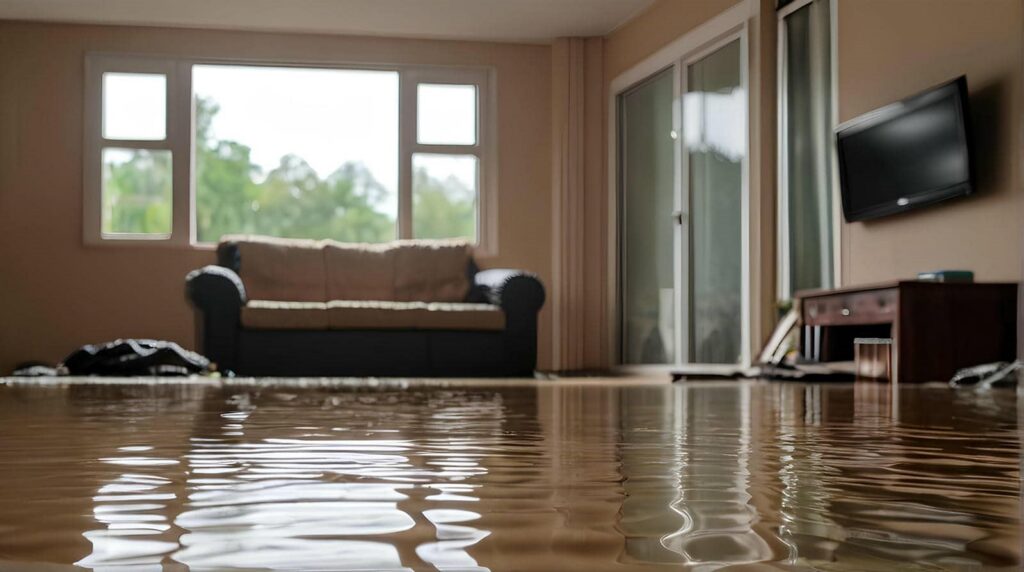
When water damage affects your business, every moment matters. Quick action helps limit disruption and protect valuable assets. A 24-hour response team can assess the situation, extract water, and begin drying procedures before additional issues develop. Understanding the steps to take immediately can make a meaningful difference. What should you know to be prepared for unexpected water damage? Let’s explore the critical aspects of effective water damage response.
Key Takeaways
- Contact a 24-hour water damage restoration service to ensure prompt response and reduce further damage to your business.
- Shut off utilities and evacuate the premises to prioritize safety before professional help arrives.
- Document all damage thoroughly to support insurance claims and assist restoration teams.
- Rely on trained professionals equipped with specialized tools for efficient water extraction and damage assessment.
- Implement preventative measures after restoration to reduce the risk of future water damage and mold growth.
Understanding the Impact of Water Damage on Businesses
Water damage can disrupt operations and create costly challenges for businesses. Repairs, equipment replacement, and downtime can quickly strain budgets and resources.
Beyond visible damage, lingering moisture may contribute to mold growth or structural concerns if left unaddressed. These issues can affect indoor conditions and employee productivity over time.
Customer confidence may also be impacted if operations are interrupted for extended periods. Understanding these risks highlights the importance of a clear plan for addressing water damage quickly and effectively.
Immediate Steps to Take After Water Intrusion
When water intrusion occurs, safety should remain the first priority.
Once conditions are safe, shutting off utilities and documenting damage can help support restoration efforts.
These steps lay the groundwork for an organized and efficient recovery process.
Prioritize Safety First
Water intrusion can introduce electrical, structural, and health hazards.
Assess the affected area for risks such as exposed wiring, weakened flooring, or contaminated water. Evacuate employees or customers if conditions are unsafe.
Use appropriate protective equipment when entering affected spaces, and communicate clearly with staff about safety procedures until professionals arrive.
Shut Off Utilities
Turning off utilities helps reduce the risk of additional damage and safety concerns.
Locate and shut off water, electrical, and gas services as needed. This step can help prevent electrical hazards and further water spread.
Contact utility providers to report the situation and receive guidance on safely restoring services once repairs are complete.
Document Damage Thoroughly
Accurate documentation supports both restoration planning and insurance claims.
Take clear photos of damaged areas, equipment, and inventory. Create a written record that includes descriptions, dates, and any actions taken immediately after the incident.
Keep receipts for temporary repairs or emergency services, as these may be needed during the claims process.
The Importance of 24-Hour Response Teams
Access to a 24-hour response team can significantly reduce the impact of water damage on your business.
These teams are trained to respond quickly, assess damage accurately, and begin mitigation efforts right away. Early intervention helps limit moisture spread and reduces the likelihood of secondary issues such as mold or material deterioration.
A rapid response supports business continuity and helps shorten recovery timelines.
Essential Equipment for Effective Water Removal
Proper equipment is critical for efficient water removal and drying.
Professional restoration teams rely on specialized tools designed to manage moisture effectively and protect building materials.
High-Powered Water Extractors
High-powered water extractors are used to remove standing water quickly and efficiently.
Key benefits include:
- Rapid removal of excess water from floors and surfaces
- Improved efficiency compared to standard equipment
- Portable designs that allow access to confined or hard-to-reach areas
Using professional extraction equipment helps stabilize affected areas early in the restoration process.
Industrial Dehumidifiers
Industrial dehumidifiers help control moisture levels after water removal.
These machines extract humidity from the air, supporting faster drying of walls, floors, and contents. Managing moisture effectively reduces the risk of lingering dampness that can lead to additional damage.
Selecting the appropriate size and capacity ensures more consistent drying throughout the space.
Air Movers
Air movers are essential for circulating air and accelerating evaporation.
Their benefits include:
- Faster drying of floors, walls, and structural materials
- Flexible placement for use in offices, warehouses, and commercial spaces
- Lightweight designs that allow for easy repositioning
Air movement plays a key role in restoring indoor conditions efficiently.
Professional Water Damage Assessment and Inspection
A professional assessment helps identify the full scope of water damage.
Restoration specialists use moisture detection tools to locate hidden water intrusion and evaluate structural conditions. This process supports safer decision-making and more targeted repairs.
Inspections may also include checking for conditions that could contribute to mold growth. Detailed findings help guide the restoration plan and reduce the risk of overlooked damage.
Comprehensive Water Damage Restoration Process
A structured restoration process supports effective recovery after water damage.
Common steps include:
- Initial Assessment
Professionals evaluate affected areas and develop a restoration plan based on the findings. - Water Extraction
Specialized equipment removes standing water to stabilize the environment. - Drying and Dehumidification
Air movers and dehumidifiers manage moisture levels throughout the property. - Restoration and Repair
Damaged materials are repaired or replaced to restore functionality and appearance.
Each phase plays an important role in returning the property to usable condition.
Preventative Measures to Avoid Future Water Damage
Proactive planning can help reduce the likelihood of future water damage.
Consider sealing cracks in foundations and walls to limit water intrusion. Regular maintenance of gutters, downspouts, and drainage systems helps manage runoff effectively.
Installing sump pumps in flood-prone areas and monitoring indoor humidity levels can further support long-term protection.
How to Choose the Right Water Damage Restoration Service
Choosing the right restoration provider is an important part of protecting your business.
Look for providers that offer:
- Verified licenses, certifications, and insurance
- Experience with commercial water damage projects
- Positive customer reviews and documented results
- Around-the-clock availability for emergency response
Asking clear questions and reviewing credentials can help you select a provider that aligns with your business needs.
Moving Forward After Water Damage
Water damage can disrupt operations, but informed action and professional support help streamline recovery. Prompt response, proper documentation, and skilled restoration services all contribute to minimizing downtime.
With preventative measures in place and a trusted restoration partner identified, businesses can move forward with greater confidence and preparedness for future incidents.