
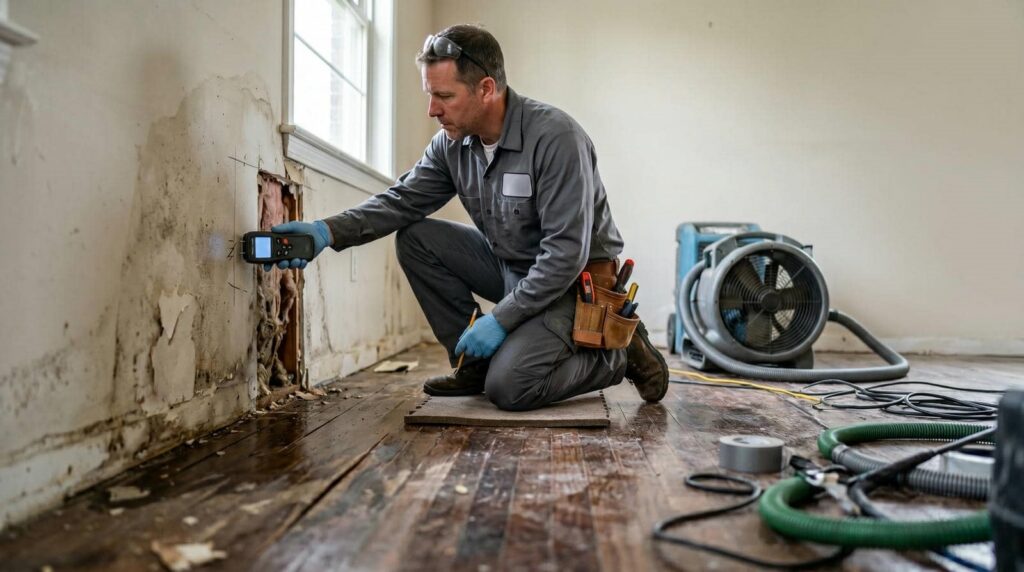
Imagine a homeowner in Minnesota who faced a considerable plumbing disaster after a single burst pipe caused extensive water damage. To avoid such costly issues, it’s essential to understand effective long-term prevention strategies. By focusing on regular inspections, selecting durable materials, and ensuring proper insulation, you can markedly reduce the risk of pipe failure. But what specific steps should you take to fortify your plumbing system against unforeseen vulnerabilities?
Key Takeaways
- Conduct regular inspections to identify and address plumbing weaknesses before they escalate into major issues.
- Choose durable materials like PEX or copper to enhance pipe longevity and resistance to environmental stressors.
- Insulate pipes effectively to protect against freezing temperatures and temperature fluctuations that can lead to bursts.
- Monitor water usage and watch for signs of leaks, such as damp walls or increased water bills, to catch issues early.
- Maintain a comprehensive emergency preparedness plan to swiftly address unexpected plumbing failures and minimize damage.
Why Understanding Burst Pipe Causes Can Save You Money
Understanding the causes of burst pipes is essential, as it can greatly reduce your repair costs and prevent extensive damage. By focusing on burst pipe prevention, you can mitigate the cost implications associated with emergencies.
Conducting a thorough water flow analysis helps identify potential weaknesses in your plumbing system. Consider environmental factors like temperature fluctuations and soil conditions that can weaken pipes over time.
Prioritizing emergency preparedness guarantees you’re ready for unexpected failures. When selecting a contractor, choose one with a solid reputation for quality maintenance schedules, which can prevent issues before they arise.
The Importance of Regular Pipe Inspections
Regular pipe inspections play a pivotal role in maintaining the integrity of your plumbing system. As pipes age, they become more susceptible to damage, leading to costly repairs.
By adhering to a strategic inspection frequency, you can identify hidden leaks before they escalate into significant issues. The benefits of inspections extend beyond immediate fixes; they enhance your overall maintenance schedule, allowing for timely preventive measures.
Utilizing advanced inspection technologies, such as video cameras and ultrasonic devices, helps pinpoint potential damages accurately. This proactive approach not only saves you money but also guarantees a reliable plumbing system.
Choosing Materials That Prevent Burst Pipes
Selecting the right materials for your plumbing system is essential in preventing burst pipes. Engaging in thorough pipe material comparisons and conducting durability assessments can greatly enhance the longevity of your infrastructure. Different materials have distinct properties that affect their resistance to pressure, temperature changes, and corrosion.
Here’s a quick comparison of common plumbing materials:
| Material | Durability Rating | Cost (per foot) |
|---|---|---|
| PVC | Moderate | $0.50 |
| Copper | High | $2.50 |
| PEX | Moderate to High | $1.00 |
| Cast Iron | Very High | $3.00 |
| CPVC | Moderate | $1.20 |
How Proper Insulation Protects Your Plumbing
While choosing the right materials for your plumbing system plays a significant role in preventing burst pipes, proper insulation is equally important.
Different insulation types, such as foam and fiberglass, effectively shield your pipes from temperature fluctuations. This insulation maintains a stable temperature, reducing the risk of freezing and subsequent ruptures.
Additionally, effective moisture control is crucial; insulation keeps condensation at bay, preventing mold growth and structural damage.
By enhancing energy efficiency, you’ll not only save on heating costs but also create a more comfortable living environment.
Investing in proper insulation fosters a sense of community among homeowners, as it demonstrates a commitment to long-term plumbing integrity and shared resources.
Prioritize insulation to safeguard your plumbing system effectively.
Tips for Keeping Your Water Pressure Just Right
To maintain ideal water pressure in your plumbing system, it’s crucial to monitor several key factors. Regular pressure regulation guarantees your system operates efficiently, minimizing pipe stress. Use pressure gauges to measure current water pressure and identify any need for valve adjustments. Incorporate consistent plumbing maintenance practices, like leak detection, to prevent unwanted fluctuations.
| Practice | Purpose |
|---|---|
| Pressure Regulation | Guarantees optimal water pressure |
| Valve Adjustments | Balances system pressure |
| Flow Measurement | Monitors water usage |
| Leak Detection | Prevents water loss and damage |
Consistent checks and proactive adjustments contribute to water conservation and system balance, guaranteeing long-lasting plumbing performance.
Seasonal Tips for Preventing Pipe Damage
To effectively prevent pipe damage, you need to implement winterization techniques and conduct regular inspections.
By ensuring pipes are insulated and properly maintained, you can greatly reduce the risk of bursts during extreme temperatures.
Establish a seasonal routine to address these critical aspects and safeguard your plumbing system.
Winterization Techniques for Pipes
As temperatures drop, taking proactive steps to winterize your pipes becomes essential in preventing costly damage.
Start by applying insulation materials around vulnerable pipes, especially those in unheated areas. Use pipe heating cables for added protection.
Implement antifreeze solutions in toilets and sink traps to prevent freezing. Allow faucets to drip during extreme cold; this keeps water flowing and reduces pressure buildup.
Don’t forget outdoor hose precautions: disconnect and drain hoses, and store them indoors. Utilize freeze proofing techniques for outdoor faucets to combat harsh weather.
Finally, establish a routine for temperature monitoring to catch any significant drops early.
Regular Inspections and Maintenance
Consider the following tips for effective pipe maintenance:
Schedule regular inspections to catch issues before they escalate; aim for at least bi-annual checks.
Monitor water pressure to identify potential leaks; fluctuations can signal underlying problems.
Document all maintenance activities to track inspection frequency and guarantee timely follow-ups.
How to Spot Warning Signs of Burst Pipes?
How can you identify the early signs of a burst pipe before it leads to significant damage?
Start by monitoring for subtle pressure fluctuations in your plumbing system. If you notice inconsistent water flow, it may indicate an underlying issue.
Pay attention to unexpected wet spots or dampness on walls or ceilings—these are critical signs of potential leaks.
Additionally, listen for unusual sounds, like gurgling or hissing, which can signal leak detection failures.
Don’t overlook the smell of mold or mildew, as it often accompanies hidden water damage.
Regularly inspecting your pipes and fixtures can help you catch these warning signs early, allowing for timely intervention and preventing costly repairs down the line.
Using Smart Technology to Monitor Your Plumbing
While traditional plumbing inspections rely on visual checks and physical assessments, integrating smart technology can greatly enhance your ability to monitor your plumbing system.
By utilizing smart sensors and data analytics, you can proactively identify potential issues before they escalate.
Real-time monitoring: Smart sensors provide continuous updates on water pressure and flow rates.
Predictive analytics: Data analytics can forecast potential failures, allowing you to address problems early.
Remote access: You can monitor your plumbing from anywhere, ensuring timely responses to alerts.
When to Call a Professional for Plumbing Help
Recognizing signs of pipe damage is vital for preventing serious plumbing issues.
If you notice persistent leaks or drips, it’s time to seek professional help to avoid further complications.
Additionally, during major renovation projects, consulting a plumber guarantees your system remains intact and functional.
Signs of Pipe Damage
Cracked joints or corroded pipes: These can lead to leaks and structural damage.
Rust stains or water discoloration: This suggests deterioration and potential contamination.
Unusual noises or fluctuating temperatures: These may indicate pressure changes or frozen sections that need immediate inspection.
If you notice damp walls or mold growth, don’t hesitate to call a professional.
Addressing these signs promptly can prevent catastrophic failures and guarantee your plumbing system remains reliable.
Persistent Leaks and Drips
| Issue | Action |
|---|---|
| Constant dripping | Inspect and tighten fittings |
| Water stains | Check for hidden leaks |
| Increased water bill | Monitor usage regularly |
| Musty odors | Investigate possible leaks |
| Wet spots on walls | Call a professional |
If you notice any of these issues, don’t hesitate to seek expert assistance. Addressing these problems promptly guarantees your home stays safe and water-efficient.
Major Renovation Projects
Persistent leaks can signal underlying plumbing issues that may arise during major renovation projects.
When you’re considering plumbing upgrades, it’s essential to recognize when to call a professional. Attempting complex installations can inadvertently lead to further complications.
Here are key moments to seek expert assistance:
Structural Changes: If you’re relocating pipes or altering layouts, professional guidance guarantees compliance with building codes.
Aging Infrastructure: Older systems may require thorough evaluation; pros can identify potential weaknesses.
Complex Systems: Multi-functional systems, like radiant heating or advanced drainage, necessitate expert installation to avoid costly mistakes.
Frequently Asked Questions
How Can I Tell if My Pipes Are Aging?
You can tell if your pipes are aging by conducting regular pipe inspections. Look for corrosion indicators like rust or discoloration. These signs often suggest potential weaknesses that need addressing to prevent future issues.
What Are the Signs of Poor Pipe Installation?
You might notice persistent leaks after a recent renovation, highlighting poor pipe installation. Failing to meet installation standards can lead to issues like misaligned joints, resulting in costly leak detection and repairs you’ll want to avoid.
Can Weather Changes Affect My Plumbing System?
Yes, weather changes can greatly affect your plumbing system. Temperature fluctuations may cause pipes to expand or contract, leading to leaks. Regular seasonal maintenance helps you identify vulnerabilities and guarantees your plumbing remains reliable throughout the year.
What Role Do Tree Roots Play in Pipe Damage?
Tree root intrusion can severely damage your pipes, causing leaks and blockages. By implementing preventive measures, like root barriers and regular inspections, you can protect your plumbing system and foster a sense of community resilience.
How Often Should I Replace Old Pipes?
You should replace old pipes every 50 to 100 years, depending on the material and environmental factors. Regular inspections can help you assess their condition and determine the necessary replacement frequency for peak performance.
To Sum Up
Understanding and implementing effective burst pipe prevention strategies can save you from costly repairs and water damage. Did you know that the average homeowner spends over $5,000 on water damage repairs each year? By prioritizing regular inspections, selecting durable materials, and ensuring proper insulation, you can greatly reduce your risk. Don’t wait for a catastrophe; take proactive steps today to safeguard your plumbing, ensuring a reliable system for years to come.