
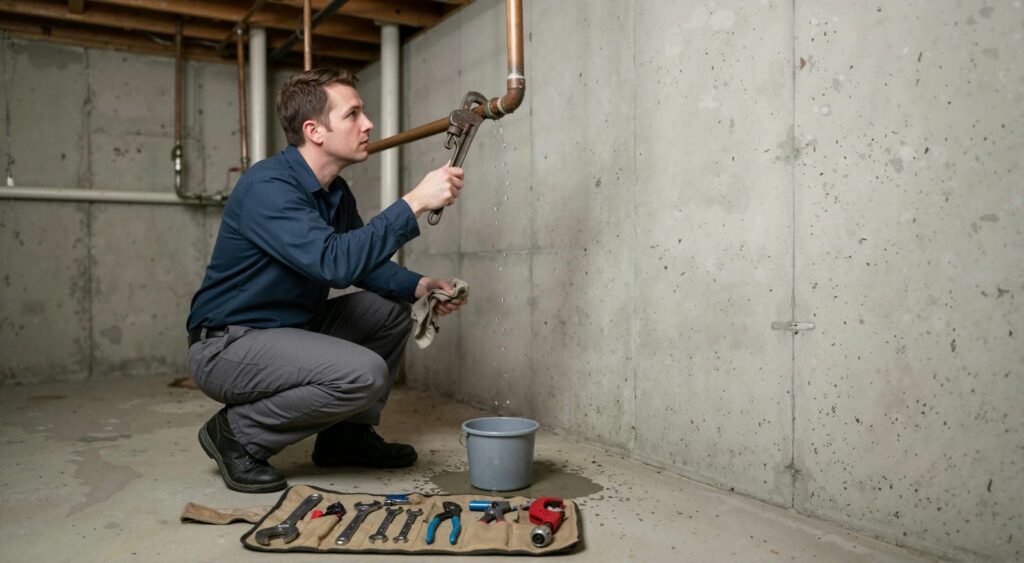
To prevent burst pipes, you need to understand the key strategies that can protect your home. Insulating your pipes, especially in unheated areas, is essential. Regular maintenance checks can spot weaknesses before they become problems. Additionally, choosing durable materials can enhance your plumbing’s resilience. Ever considered how smart monitoring technology could change the game? Let’s explore these strategies and uncover the best practices to safeguard your home from costly water damage.
Key Takeaways
- Insulate pipes in unheated areas to prevent freezing during cold weather, avoiding potential bursts.
- Conduct regular inspections to identify vulnerable areas and early signs of leaks or corrosion.
- Use durable materials like PEX or copper to minimize risks associated with aging infrastructure.
- Monitor weather forecasts and prepare by draining outdoor hoses and shutting off valves before winter.
- Implement smart monitoring technology for real-time alerts on leaks or pressure changes to prevent extensive damage.
Preventing Pipe Bursts: Key Causes to Know
Understanding the key causes of pipe bursts is essential for effective prevention. One major factor is temperature fluctuations. When temperatures drop unexpectedly, pipes can freeze, leading to increased pressure and eventual bursts. You must stay vigilant during winter months and monitor forecasts to anticipate these changes.
Additionally, aging infrastructure can contribute to failures; older pipes may corrode or weaken over time. Regular inspections can help identify these risks early.
Emergency preparedness also plays a vital role. Have a plan in place for quick access to shut-off valves and emergency contacts to mitigate damage if a burst occurs.
Why Insulating Your Pipes Can Save You From Freezing
Insulating your pipes is one of the most effective ways to prevent freezing during cold weather. By applying pipe insulation, you create a barrier that maintains the temperature of your water, protecting it from drastic drops.
This is essential in unheated areas like basements, attics, and crawl spaces where cold air can easily impact your plumbing. Not only does insulation help with freeze prevention, but it also enhances energy efficiency, saving you money on heating bills.
You’ll appreciate the peace of mind knowing your plumbing is safeguarded against winter’s chill. Plus, proper insulation can extend the lifespan of your pipes, creating a stronger, more resilient system.
Insulate today for a worry-free tomorrow.
Key Preventive Maintenance Checks to Avoid Pipe Bursts
When the temperature drops, performing key preventive maintenance checks on your plumbing can save you from costly pipe bursts.
Start with seasonal inspections to identify vulnerable areas, especially in unheated spaces. Check for any signs of leaks, as early leak detection is vital. Inspect insulation around pipes and confirm it’s intact and adequate.
Pay attention to joints and connections, where leaks often occur. Additionally, monitor water pressure; excessive pressure can stress your pipes.
Don’t forget to drain outdoor hoses and shut off valves before winter.
Choosing Durable Pipe Materials for Longevity
Choosing the right pipe materials can greatly impact the longevity and reliability of your plumbing system. For maximum pipe longevity, consider materials like copper, PVC, and PEX.
Copper offers durability and resistance to corrosion, making it a trusted choice for many homeowners. PVC is lightweight and resistant to rust, ideal for a variety of applications. PEX is flexible and can expand, reducing the risk of bursting in freezing conditions.
When it comes to material selection, think about your specific environment and the potential for temperature fluctuations. Investing in high-quality materials not only minimizes the risk of burst pipes but also guarantees your plumbing system serves you well for years to come.
Prioritize durability to create a resilient plumbing network.
How Smart Monitoring Technology Can Prevent Disasters?
By integrating smart monitoring technology into your plumbing system, you can proactively prevent disasters like burst pipes. Smart sensors offer continuous monitoring, identifying leaks or pressure changes before they escalate.
With real-time alerts sent directly to your smartphone, you can act swiftly, avoiding costly repairs and property damage.
- Feel secure knowing your home’s plumbing is constantly monitored.
- Gain peace of mind with instant notifications at your fingertips.
- Protect your community by reducing water waste and damage.
Embracing this technology not only safeguards your home but also fosters a sense of belonging within a proactive community.
Frequently Asked Questions
How Do Temperature Fluctuations Affect Pipe Integrity?
Temperature fluctuations can weaken pipe integrity. As you experience thermal expansion and contraction, pipes may crack or burst, especially in cold conditions leading to frost damage. Maintaining stable temperatures helps protect your plumbing system.
What Are the Signs of a Potential Pipe Burst?
Nearly 250,000 water pipe bursts occur annually in the U.S. Watch for signs like damp spots, unusual water pressure fluctuations, and leak detection alarms. Regular pressure monitoring can help you spot issues before they escalate.
Can Landscaping Choices Impact Pipe Health?
Yes, landscaping choices greatly impact pipe health. Implementing effective drainage solutions and managing soil moisture helps prevent excess pressure on pipes. Properly designed landscapes guarantee water flows away, reducing the risk of pipe bursts and costly repairs.
How Often Should I Inspect My Plumbing System?
You should inspect your plumbing system at least once a year. Regular pipe inspection helps catch issues early. Following these plumbing tips guarantees your system runs smoothly, preventing costly repairs and maintaining your home’s integrity.
Are There Seasonal Considerations for Pipe Maintenance?
Absolutely, winter preparation and summer checks are essential. While you might think pipes can handle anything, those temperature swings can surprise you. Regular inspections during these seasons keep your plumbing in top shape, avoiding costly disasters.
Summary
By taking proactive measures to prevent burst pipes, you’re not just safeguarding your home but also your peace of mind. Imagine waking up to a flooded basement because you overlooked insulation or failed to monitor leaks. The stakes are high, but with the right strategies—like using durable materials and smart technology—you can avoid disaster. Don’t wait for the freezing temperatures to catch you off guard; start implementing these strategies now and protect your home from unforeseen damage.